
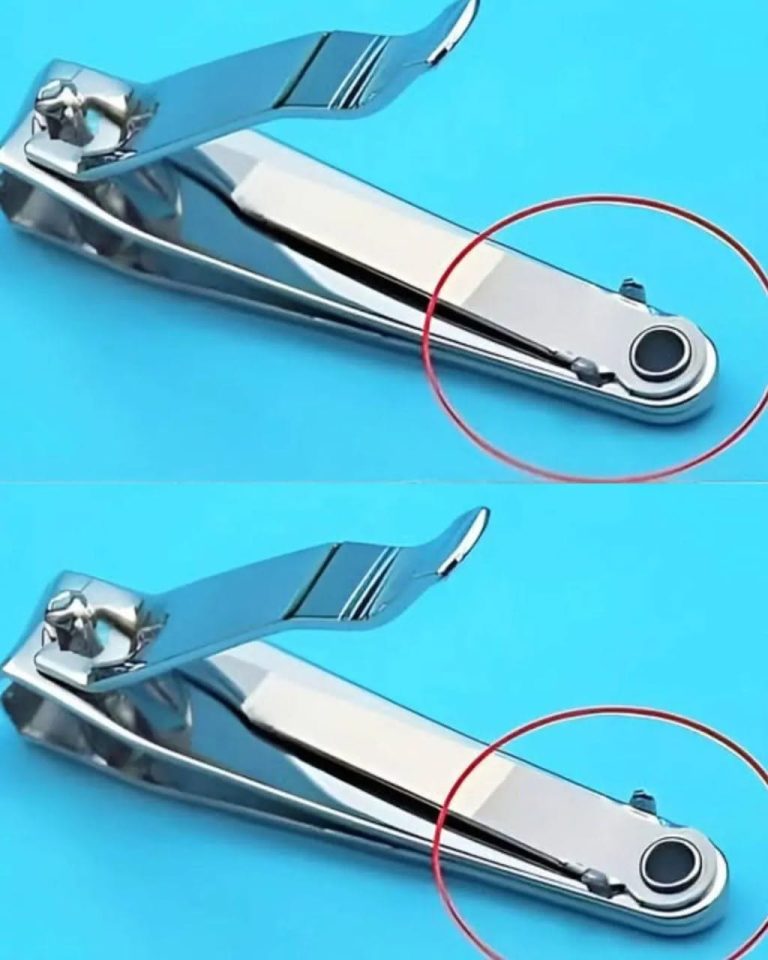
Every single day, millions of people around the world reach into their bathroom drawers, medicine cabinets, or grooming kits to perform a routine task so familiar it barely registers in conscious thought: trimming their fingernails or toenails. The staple tool for this universal hygiene ritual is the standard stainless-steel nail clipper. Compact, inexpensive, and practically indestructible, it is an engineering marvel of accessibility and simplicity.
Yet, despite being an essential item found in almost every home across the globe, few people truly understand how standard nail clippers are designed, how to utilize every component effectively, or how proper personal care tools impact long-term health and wellness. In fact, many common household objects hide ingenious design elements, mechanical principles, and multi-purpose capabilities right under our noses.
Understanding how simple mechanisms function not only helps us take better care of our personal grooming tools but also enhances our overall personal health habits, prolongs the lifespan of our everyday gear, and helps prevent unnecessary medical expenses or wellness complications caused by improper usage.
The Mechanical Ingenuity of the Common Nail Clipper
To understand why the nail clipper is such an effective everyday tool, it helps to examine its mechanical construction. At first glance, a pair of clippers looks like a simple metal trinket. However, from a mechanical physics perspective, it is a brilliant combination of two simple machines working in unison: a compound lever system and a pair of opposed cutting edges.
How the Lever System Works
When you push down on the upper arm of a nail clipper, you are activating a class-one lever system. The fulcrum rests near the top pin, while the input force from your thumb translates into a multiplied output force applied directly across the curved blades at the front.
This leverage allows a person to apply minimal physical effort with their hands while generating a tremendous amount of focused force along the cutting jaw. This mechanical advantage is crucial, as human fingernails—and especially thicker toenails—are made of tough layers of keratin protein that require significant pressure to slice cleanly without jagged edges or cracking.
The Mystery of the Swivel Base and Catch Assembly
Near the back pivot pin of most standard stainless steel clippers lies a small notch, groove, or catch mechanism. Many users often wonder why this specific structural joint exists or why the lever swings 360 degrees on its axis.
-
Rotational Storage: Swinging the lever 180 degrees and flipping it upside down lowers the profile of the clipper, allowing it to lay completely flat for easy storage in pocket kits or travel bags.
-
Tension Alignment: The raised notch on the bottom of the lever aligns precisely with the rounded head of the main center pin. When rotated into position, this notch securely locks the lever into place, preventing slipping during heavy pressure.
-
Integrated Secondary Tools: On many models, the base of the lever or the underside of the swinging file blade serves as an anchor for secondary features, such as miniature key rings, fold-out pick tools, or textured filing surfaces.
Why Proper Nail Care Matters for Long-Term Health
Maintaining neat, healthy nails goes far beyond simple physical appearance or aesthetics. Proper hygiene prevents bacteria from building up beneath the free edge of the nail, reduces the risk of painful ingrown nails, and protects against fungal infections that can be difficult and expensive to treat.
In severe cases, improper nail cutting techniques can lead to deep soft-tissue infections like paronychia, which may require medical treatment, doctor visits, or prescription antibiotic therapy. Taking a proactive approach to personal hygiene is one of the simplest ways to protect your overall wellness while avoiding high health insurance deductibles and out-of-pocket medical bills.
+------------------------+------------------------------------+-------------------------------------+
| Feature / Habit        | Proper Technique                   | Risk of Improper Care               |
+------------------------+------------------------------------+-------------------------------------+
| Cutting Trajectory     | Straight across, slightly rounded  | Ingrown nails, painful inflammation |
| Tool Maintenance       | Clean with alcohol after use       | Fungal growth, bacterial transfer   |
| Cuticle Care           | Gently push back, do not slice     | Skin infection, matrix damage       |
| Moisture Management    | Dry thoroughly after washing       | Fungal proliferation, brittle nails |
+------------------------+------------------------------------+-------------------------------------+
Essential Steps for Safe and Effective Nail Maintenance
To get the most out of your nail clippers and keep your hands and feet in optimal condition, following a clean, methodical routine is essential.
1. Prep the Tools and Hands
Before trimming, wash your hands and feet thoroughly with warm, soapy water. Soaking nails for a few minutes softens the rigid keratin layer, making it far easier for the metal blades to slice smoothly through without tearing or splitting the edges. Always ensure your clippers are disinfected with isopropyl alcohol before and after each use.
2. Use the Right Size Tool
Never use small fingernail clippers for thick toenails. Toenails require a larger, heavier clipper with a wider jaw opening and greater leverage to handle the increased thickness safely. Using a small tool on tough toenails can dull the blades instantly or cause the clipper frame to flex, leading to jagged cuts.
3. Cut Straight Across
When trimming toenails in particular, cut straight across rather than rounding off the corners deeply into the nail bed. Rounding the corners too drastically causes the growing nail to pierce the adjacent skin tissues, creating painful ingrown conditions that could eventually require surgical intervention by a podiatrist.
4. Smooth out the Edges with the Built-In File
After clipping, always use the textured file attachment—often folded cleanly inside the clipper mechanism—to smooth down sharp corners. Swiping the file gently in one direction prevents catching on clothing, bedsheets, or delicate fabrics.
Hidden Uses for Everyday Items Around the House
The clever design of nail clippers is just one example of everyday tools hiding unexpected secondary capabilities. Modern manufacturing often incorporates subtle structural details into household gear to maximize utility and save space.
Key Rings and Attachment Holes
Most pocket clippers feature a small hole stamped into the rear base. While often overlooked, this design feature serves multiple purposes:
-
Lanyard Attachment: Allows outdoor enthusiasts, travelers, and healthcare workers to secure the tool inside grooming pouches or first-aid kits.
-
Keychain Portability: Keeps personal hygiene essentials close at hand while traveling on business or vacation.
-
Storage Hanging: Enables sanitary vertical storage on bathroom hooks, keeping tools dry and away from damp, contaminated sink surfaces.
Other Everyday Gadgets with Clever Hidden Features
-
Tape Measure Tips: The metal clip on the end of a measuring tape features a small slot designed to hook onto nail heads, allowing single-handed measuring.
-
Padlock Drain Holes: Small holes located next to padlock keyways serve as water drainage ports to prevent internal rust and ice buildup during cold weather.
-
Pot Handle Openings: The hole at the end of a frying pan handle doubles as a holder for wooden spoons and stirring utensils during cooking.
Smart Home Care and Budget-Friendly Personal Maintenance
Investing a small amount of effort into maintaining basic grooming tools can yield long-term savings for individuals and families alike. Purchasing high-quality stainless-steel implements rather than cheap, disposable plastic versions reduces waste and guarantees years of consistent performance.
Furthermore, proper hygiene habits reduce the likelihood of costly specialist medical appointments, prescription fungal treatments, or urgent care visits resulting from neglected foot health. Simple preventative measures—such as regularly cleaning equipment, drying feet completely after workouts, and using properly angled clippers—are fundamental pillars of personal wellness and financial savvy.
If you are traveling for business, vacation, or remote work, keeping a dedicated travel kit with durable, stainless-steel clippers ensures that you stay comfortable, clean, and professional wherever you go, without having to pay inflated prices for replacement items at airport convenience shops or hotel gift stores.
Fascinating Facts About Nail Growth and Human Biology
-
Growth Speed: On average, human fingernails grow roughly 3.5 millimeters per month, whereas toenails grow at about one-third of that speed (1.6 millimeters per month).
-
Dominant Hand Velocity: Nails on your dominant hand generally grow faster than those on your non-dominant hand due to increased blood circulation caused by daily activity and use.
-
Seasonal Variations: Human nails tend to grow faster during the warm summer months compared to the winter, driven by improved blood flow and increased exposure to natural sunlight.
-
Historical Origins: Prior to the invention of the modern hinged lever clipper in the late 19th century, people used specialized miniature paring knives, scissors, or simple abrasive stones to trim and shape their nails.
-
Composition: Nails are made of dense layers of dead keratin protein—the exact same structural material found in human hair and the protective outer layers of animal horns and hooves.
Key Maintenance Tips to Extend the Life of Your Clippers
-
Keep Items Dry: After cleaning clippers with water or rubbing alcohol, dry them thoroughly with a clean towel. Even stainless steel can corrode over extended periods if left in damp, enclosed environments.
-
Sharpening the Jaw: If the blades begin to feel dull, folding a sheet of aluminum foil into several layers and making a series of light cuts into it can help hone and align the cutting edges.
-
Avoid Cutting Non-Nail Materials: Never use personal nail clippers to cut metal wires, hard plastic packaging, or cardboard boxes. Doing so causes microscopic chips in the cutting edge, rendering them useless for smooth personal grooming.
-
Store in a Protective Case: Storing clippers inside a breathable cloth pouch or dedicated hygiene case protects the lever mechanism from dust, debris, and physical impacts that could misalign the pivot pin.
Frequently Asked Questions (FAQ)
What is the little hole at the end of the nail clipper used for?
The small hole at the end of the clipper frame is designed to attach the tool to keychains, lanyards, or grooming kit rings. It allows for portable carrying during travel and enables vertical hanging in bathroom storage areas to ensure proper drying and hygiene.
Why do my nails split or crack when I cut them?
Nails often split or crack if they are clipped while completely dry and brittle, or if you are using dull, low-quality clippers that crush the nail rather than slicing cleanly through it. Softening your nails in warm water before trimming and using sharp, stainless-steel tools will resolve this issue.
Is it better to cut fingernails with scissors or clippers?
Both tools work well if they are sharp and clean. However, clippers offer greater mechanical leverage and feature a pre-curved jaw that naturally matches the natural contour of human fingertips, making them easier and safer for self-grooming.
How often should I clean and sanitize my nail clippers?
You should sanitize your nail clippers after every single use by wiping them down with rubbing alcohol or washing them with warm soap and water (followed by thorough drying). Never share unsterilized clippers with family members to avoid spreading bacterial or fungal skin infections.
Can improper nail trimming lead to serious health issues?
Yes. Trimming toenails too short or cutting curved angles deep into the corners of the toe can cause ingrown toenails. This allows bacteria to enter the soft tissue, causing painful infections that may require professional medical care, antibiotics, or minor podiatric surgery.
Conclusion
The humble nail clipper is a masterclass in everyday industrial design, blending simple mechanical principles with compact convenience. By taking the time to understand how everyday objects function, using tools correctly, and prioritizing basic hygiene routines, you protect your long-term health, save money on unnecessary medical treatments, and ensure your daily essentials last for years to come. Next time you pick up your favorite pair of clippers, take a moment to appreciate the smart engineering right at your fingertips!
