
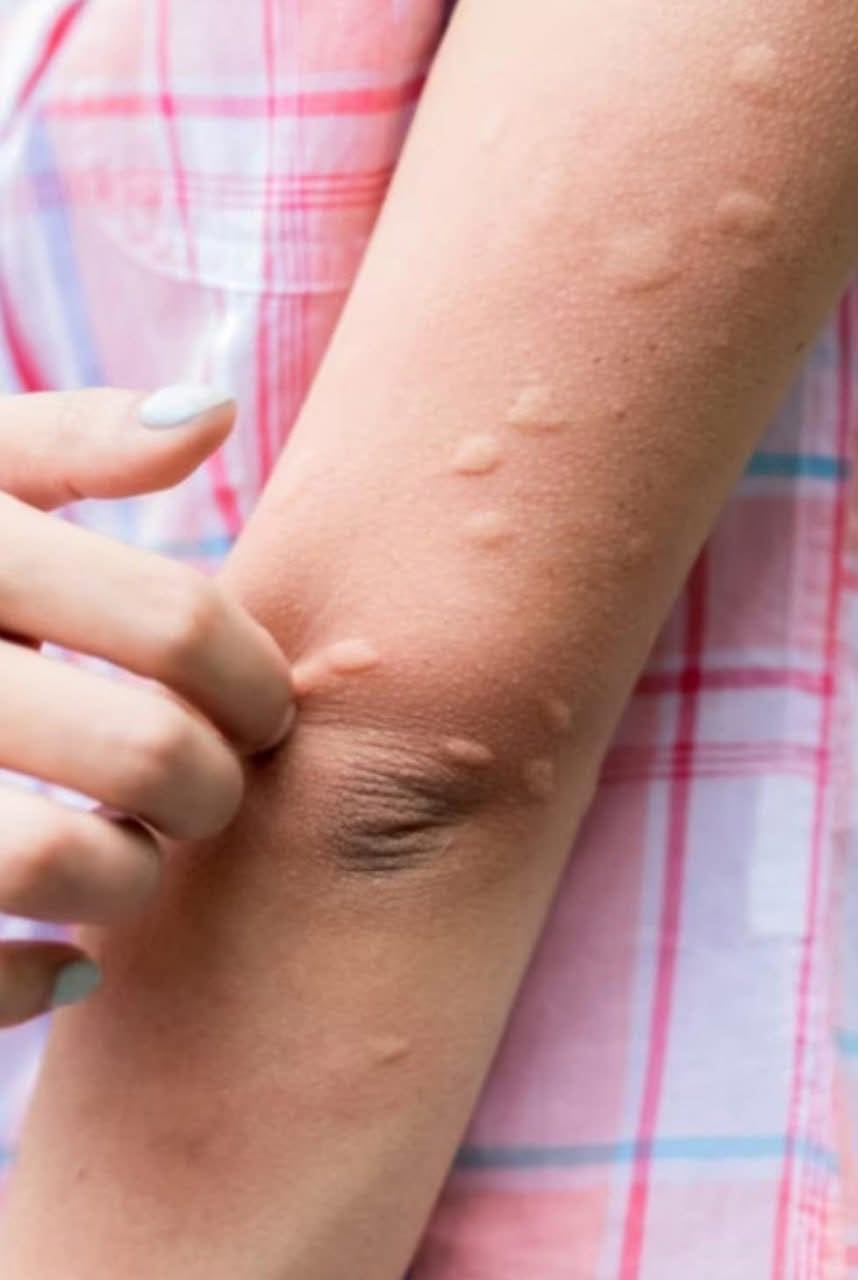
The human skin is our body’s largest organ, acting as a vital protective barrier against environmental elements, pathogens, and physical irritants. However, skin is also highly sensitive. Whenever unexpected rashes, red bumps, or itchy hives suddenly appear on the arms or body, it can cause immediate discomfort, worry, and curiosity.
When photos circulate online showing skin irritations and allergic reactions, they instantly prompt questions about common skin conditions, allergens, and soothing remedies. In this comprehensive guide, we explore the physiological causes of hives (urticaria), common allergy triggers, and practical ways to soothe irritated skin.
What Are Hives and Skin Welts?
Hives—medically known as urticaria—appear as raised, red, or skin-colored welts on the surface of the skin that often cause intense itching or a stinging sensation.
                  [ SKIN ALLERGY & HIVE TRIGGERS ]
                                │
        ┌───────────────────────┴───────────────────────┐
        ▼                                               ▼
[ Allergenic Triggers ]                         [ Physical & Environmental ]
  • Foods, medications, and insect stings         • Heat, pressure, stress, or contact irritants
1. The Release of Histamine
When your immune system encounters a trigger it perceives as a threat, it releases a chemical called histamine into the bloodstream. Histamine causes small blood vessels to leak fluid into the skin’s outer layers, resulting in the characteristic raised welts and itching associated with hives.
2. Common Triggers
Triggers can range widely from food allergies (such as nuts, shellfish, or eggs) and medications to environmental factors like pollen, insect bites, latex, or physical stimuli like pressure, heat, and stress.
Step-by-Step Guide: Soothing Irritated Skin and Hives
If you or someone in your home experiences sudden skin rashes or hives, knowing how to manage the discomfort safely is essential.
┌─────────────────────────────────────────────────────────┐
│             SKIN SOOTHING & COMFORT ROUTINE             │
└────────────────────────────┬────────────────────────────┘
                             │
                             ▼
┌─────────────────────────────────────────────────────────┐
│ STEP 1: APPLY COOL COMPRESSES                           │
│ • Place a clean, cool damp cloth over irritated skin    │
└────────────────────────────┬────────────────────────────┘
                             │
                             ▼
┌─────────────────────────────────────────────────────────┐
│ STEP 2: AVOID SCRATCHING                                │
│ • Pat or press gently instead of scratching to prevent   │
│   further inflammation and secondary infection          │
└────────────────────────────┬────────────────────────────┘
1. Using Cool Compresses
Applying a cool, damp cloth or compress to the affected skin area can help constrict blood vessels, reduce swelling, and provide immediate relief from intense itching.
2. Gentle Care and Loose Clothing
Wear soft, breathable cotton clothing to avoid friction against sensitive skin, and avoid harsh soaps or fragranced lotions that can exacerbate irritation.
Fascinating Facts About Skin Sensitivity
-
The Skin Barrier: The epidermis continually regenerates itself, shedding millions of dead skin cells daily while defending against external irritants.
-
Acute vs. Chronic Hives: While acute hives typically disappear within a few hours or days, chronic hives can persist for weeks or months and often require professional medical evaluation.
-
The Stress Connection: High emotional stress can trigger or worsen skin flare-ups due to the complex connection between the nervous and immune systems.
Practical Checklist for Skin Health
-
Identify Triggers: Pay attention to what you eat, wear, or touch when skin rashes appear.
-
Moisturize Gently: Use hypoallergenic, fragrance-free moisturizers to maintain your skin barrier.
-
Avoid Hot Showers: Extremely hot water can dry out skin and intensify itching; opt for lukewarm water instead.
-
Consult a Dermatologist: Seek professional medical advice if rashes persist, spread rapidly, or cause breathing difficulties.
Conclusion
Encountering sudden skin rashes or hives can be unsettling, but understanding how histamine reactions work helps demystify these common skin irritations. By treating your skin gently, avoiding known triggers, and seeking professional care when needed, you can keep your skin calm and comfortable.
Frequently Asked Questions (FAQ)
What causes hives to suddenly appear on the skin?
Hives are typically triggered by an immune system reaction that releases histamine into the skin, often in response to food allergies, medications, insect stings, infections, or environmental stressors.
How can I stop the itching from hives?
Applying a cool compress, wearing loose clothing, using soothing fragrance-free moisturizers, and consulting a healthcare professional about antihistamines can help manage itching.
When should I seek emergency medical care for hives?
Seek immediate medical attention if hives are accompanied by swelling of the lips, tongue, or throat, dizziness, or difficulty breathing, as these can indicate a severe allergic reaction (anaphylaxis).
Are hives contagious?
No. Hives are an internal immune or allergic response and cannot be transmitted from person to person.
