
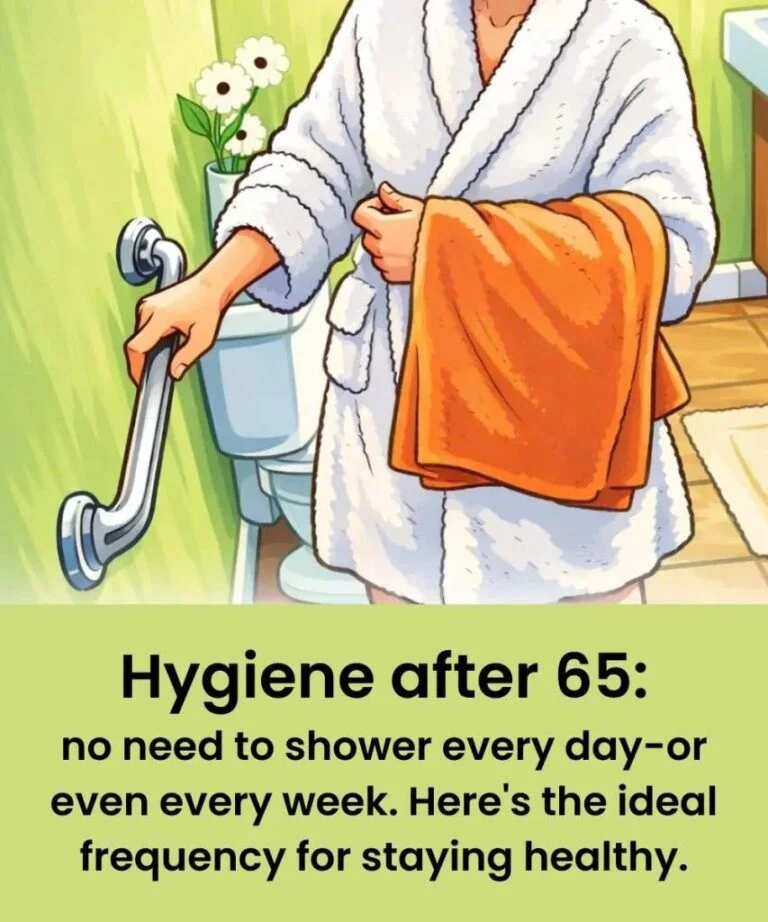
Maintaining daily personal hygiene is a foundational aspect of self-care and health management throughout our lives. However, as the human body ages, our skin structure, metabolic rate, oil production, and mobility undergo significant biological shifts. What worked perfectly during young adulthood—such as taking long, hot daily showers—may no longer be suitable, or even safe, for individuals over the age of 65.
Dermatologists, geriatric care specialists, and healthcare professionals increasingly emphasize that senior hygiene routines should focus on gentle maintenance, skin barrier preservation, and fall prevention rather than rigid daily scrubbing schedules. Over-showering in later years can strip mature skin of natural lipids, leading to severe dryness, chronic irritation, skin tears, and heightened risk of bacterial or fungal infections.
In this comprehensive guide, we will examine the ideal shower frequency for seniors, the biological changes that affect aging skin, practical bathroom safety adaptations, essential hygiene alternatives, and the broader financial, insurance, and legal considerations involved in senior care and healthy aging.
Why Hygiene Needs Change After Age 65
Aging brings subtle yet important physiological changes to the human body’s largest organ: the skin. Understanding these biological shifts explains why bathing recommendations evolve in senior years.
Reduced Sebum and Sweat Production
Younger adults naturally produce higher levels of sebum (natural skin oil) and sweat due to active hormonal activity and higher metabolic rates. As we pass age 65, oil glands (sebaceous glands) and sweat glands (eccrine glands) slow down their activity considerably. Consequently, senior skin accumulates less natural odor and oil buildup on a day-to-day basis.
Thinning Skin Barrier and Moisture Loss
Mature skin gradually loses collagen, elastin, and subcutaneous fat layers, making it thinner, more fragile, and less capable of retaining moisture. Frequent exposure to hot water and harsh chemical soaps strips away the delicate acid mantle and protective lipid barrier, leading to a condition known as xerosis (severe dry skin). Dry skin cracks easily, creating micro-fissures that allow environmental bacteria, fungi, and allergens to enter the bloodstream.
Decreased Mobility and Increased Fall Risk
The bathroom is statistically one of the most hazardous locations in a home for older adults. Slick tile floors, high bathtub thresholds, and steamy environments increase the risk of slips, falls, and severe physical injuries. Reducing unnecessary full-body showers minimizes exposure to wet, slippery surfaces while preserving physical energy.
The Ideal Bathing Frequency for Seniors
Contrary to common cultural assumptions, dermatologists and senior health experts generally agree that most older adults do not need a full-body shower or bath every single day.
Recommended Full Shower Frequency
For most healthy seniors living in climate-controlled environments with moderate daily activity, a full-body shower or bath once or twice a week is often completely sufficient to maintain cleanliness while preserving skin barrier integrity.
-
Active Seniors or Warm Climates: Seniors who exercise regularly, live in hot or humid regions, or manage excessive sweating may benefit from showering two to three times per week using warm (not hot) water and mild cleansers.
-
Individualized Adjustment: The exact frequency should always be tailored to personal comfort, mobility levels, medical needs, and specific skin conditions.
Daily “Partial Hygiene” Routine: Targeted Spot Cleaning
While a full-body shower is only required once or twice weekly, maintaining daily targeted cleanliness is essential for health, odor control, and infection prevention. Rather than stepping into a wet shower every morning, seniors can adopt a gentle daily sponge wash or “partial bathing” routine.
Key Areas to Clean Daily
Focus daily spot-cleaning efforts on critical areas prone to moisture, bacteria, or friction:
-
The Face: Wash gently with lukewarm water and a hydrating cleanser to remove dust and eye discharge.
-
Underarms (Axillae): Wipe gently with a soft, damp cloth and mild soap to control sweat bacteria.
-
Perineal Area (Groin and Private Areas): Clean thoroughly from front to back daily to prevent urinary tract infections (UTIs) and skin breakdown, particularly for individuals managing incontinence.
-
Feet and Between Toes: Wash and dry feet carefully daily to prevent fungal issues (tinea pedis) and inspect for minor cuts, blisters, or circulatory changes.
-
Under Skin Folds: Clean and dry beneath the breasts, abdominal folds, or skin creases where moisture can collect.
Essential Bathroom Safety Modifications for Seniors
Ensuring bathroom safety is just as important as maintaining skin health. Simple, proactive home modifications transform the bathroom into a secure, accessible environment.
1. Install Heavy-Duty Grab Bars
Position sturdy, professional-grade stainless steel grab bars beside the toilet, inside the shower stall, and near the tub entry. Never rely on towel racks, soap dishes, or shower curtain rods for balance, as they are not designed to support human body weight.
2. Use a Shower Chair or Transfer Bench
Sitting down while showering reduces fatigue, eliminates the need to stand on slippery surfaces, and provides stability while washing feet or lower legs.
3. Upgrade to a Handheld Showerhead
A flexible handheld shower wand with an extra-long hose allows seniors or caregivers to direct water flow precisely where needed without unnecessary twisting, bending, or stepping around.
4. Remove Loose Rugs and Use Non-Slip Mats
Secure non-slip suction mats inside the tub or shower pan, and replace loose bath mats with rubber-backed, flat non-skid rugs to eliminate tripping hazards.
5. Adjust Water Heater Temperature
Set home water heaters to a maximum of 120°F (49°C) to prevent accidental scalding, as aging skin has reduced temperature sensitivity and reacts more slowly to hot water.
Practical Skincare Tips for Aging Skin
Protecting skin health after 65 involves using the right products and techniques:
-
Choose Soap-Free, pH-Balanced Cleansers: Avoid traditional harsh bar soaps containing heavy synthetic detergents or fragrances. Opt for fragrance-free, moisturizing liquid body washes or gentle syndet bars.
-
Keep Water Warm, Not Hot: Hot water melts away natural skin oils rapidly. Stick to comfortable, warm water temperatures.
-
Pat Dry, Don’t Rub: After washing, gently pat the skin dry with a soft, absorbent towel rather than rubbing vigorously. Leave skin slightly damp.
-
Apply Moisturizer Immediately: Apply a thick, fragrance-free moisturizing cream or ointment (containing ingredients like ceramides, hyaluronic acid, or petrolatum) within three minutes of drying off to lock in moisture.
Financial, Health Insurance, and Legal Considerations in Senior Care
Managing health, hygiene, and home safety in senior years connects directly to financial security, health insurance coverage, and long-term care planning.
Health Insurance and Home Care Coverage
Understanding what health insurance plans cover regarding senior care and home modifications is vital for household planning:
-
Home Modifications: While standard health insurance rarely pays for basic cosmetic bathroom remodeling, certain specialized Medicare Advantage plans or long-term care insurance policies offer allowances or coverage for medically necessary home safety equipment, such as grab bars, ramps, or walk-in tubs.
-
Personal Care Assistance: Long-term care insurance policies or specialized Medicaid home-and-community-based care programs often cover home health aides who assist with daily hygiene, bathing, and personal care.
Financial Planning and Retirement Budgeting
Incorporating preventative health equipment, home modifications, and personal care supplies into retirement financial planning ensures continuous comfort without unexpected financial strain.
Legal Directives and Estate Planning
As individuals navigate senior health, securing robust legal protections provides immense peace of mind for both the senior and their family:
-
Medical Power of Attorney: Designates a trusted adult child, spouse, or advocate to consult with medical teams and make healthcare decisions if cognitive or physical health deteriorates.
-
Financial Power of Attorney: Authorizes a representative to handle banking, manage real estate, and pay bills during medical recovery or hospital stays.
-
Living Wills and Advanced Directives: Documents explicit preferences regarding emergency medical treatments, long-term care arrangements, and end-of-life care.
Fascinating Facts About Human Skin and Aging
-
Largest Body Organ: The skin accounts for approximately 16% of total human body weight and receives about one-third of the body’s blood circulation.
-
Skin Cell Turnover: In young adults, skin cells renew every 28 days, but after age 65, skin cell turnover slows down to every 45 to 60 days, contributing to a duller, dryer surface appearance.
-
Acid Mantle Protection: Healthy skin maintains a slightly acidic surface pH (around 4.5 to 5.5), which naturally inhibits harmful bacterial growth while supporting beneficial resident flora.
Conclusion
Personal hygiene after age 65 is not about adhering to rigid daily shower schedules; it is about protecting fragile skin, maintaining safety, and preserving personal dignity. Showering once or twice a week—supplemented by gentle daily spot-cleaning, proper moisturizing, and smart bathroom safety modifications—strikes the perfect balance between clean health and comfortable living.
By adapting daily routines to match changing physical needs, securing necessary home safety adaptations, maintaining adequate health insurance coverage, and establishing sound legal directives, seniors can enjoy vibrant, healthy, and independent lives.
Frequently Asked Questions (FAQ)
Is it really safe for a senior to shower only once or twice a week?
Yes. For most older adults, showering once or twice weekly is completely safe and clinically recommended to prevent severe dry skin, skin tears, and fall risks, provided they perform gentle daily spot-cleaning on key areas like the face, underarms, and groin.
How can I convince an elderly relative who resists taking showers?
Avoid conflict by framing bathing as a relaxing, warm experience rather than a chore. Consider breaking the process down into smaller steps, ensuring the room is comfortably warm, using a shower chair for comfort, or transitioning to gentle sponge baths on non-shower days.
What is the best type of moisturizer for senior skin?
Look for thick, fragrance-free creams or ointments packaged in tubs or tubes rather than thin, watery lotions. Key beneficial ingredients include ceramides, hyaluronic acid, shea butter, and petrolatum.
Does Medicare pay for shower chairs or grab bars?
Original Medicare (Part B) generally classifies grab bars and shower chairs as convenience items rather than primary Durable Medical Equipment (DME), meaning they are usually paid out-of-pocket. However, some Medicare Advantage (Part C) plans or long-term care insurance policies provide home safety allowances that cover these safety modifications.
What are the main signs that a senior needs help with personal hygiene?
Common indicators include persistent uncharacteristic body odor, wearing soiled or unwashed clothing, unkempt hair, unexplained skin redness or rash in skin folds, or noticeable fear and reluctance when approaching the bathroom due to mobility struggles.
