
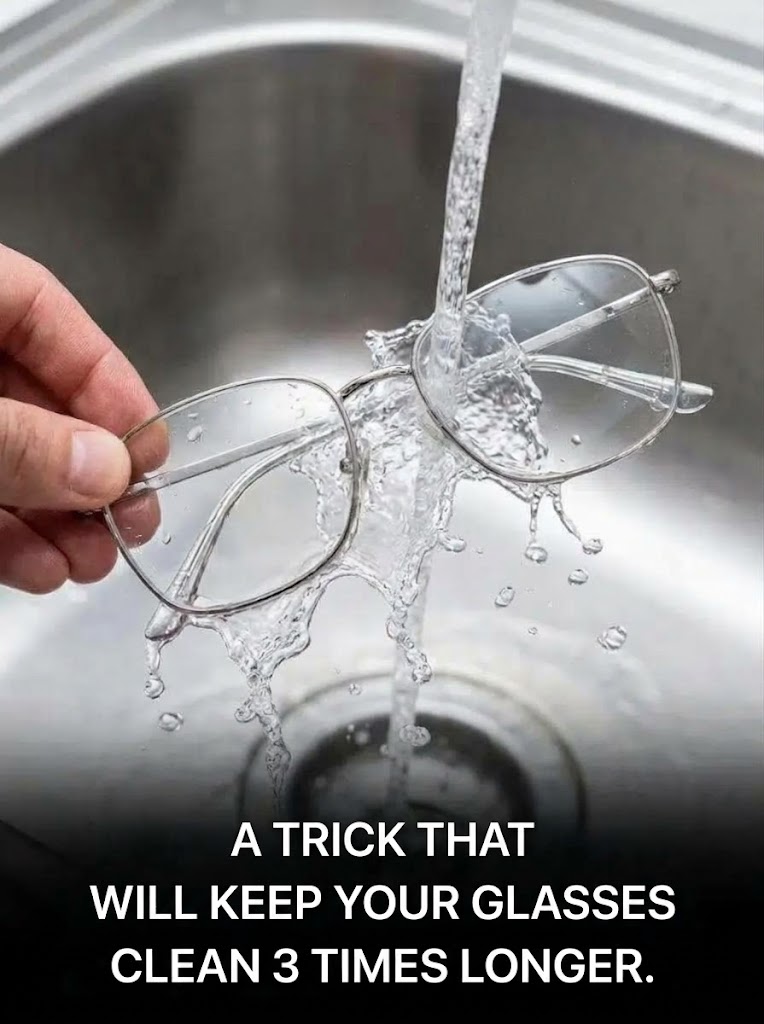
For millions of people worldwide, eyeglasses are an essential daily accessory. Whether you wear them for reading, driving, or full-time vision correction, keeping your lenses crystal clear is crucial for optimal sight. However, dealing with smudges, fingerprints, dust, and constant fogging can quickly turn into a frustrating daily chore.
When viral social media graphics circulate online highlighting clever hacks—such as “A trick that will keep your glasses clean 3 times longer.”—they instantly capture public attention and curiosity. In this comprehensive guide, we explore the science of lens coatings, proper eyewear maintenance, and practical tips to keep your glasses spotless for days on end.
The Science of Lens Coatings and Smudges
To understand why glasses attract dust and smudges so easily, it helps to examine how modern lenses are manufactured and treated.
                  [ EYEGLASS LENS CARE & COATINGS ]
                                │
        ┌───────────────────────┴───────────────────────┐
        ▼                                               ▼
[ Specialized Treatments ]                      [ Surface Accumulation ]
  • Anti-reflective and oleophobic coatings       • Static electricity and facial oils cause
    repel water, oil, and dust particles.           dust and fingerprints to cling to the glass.
1. The Role of Anti-Reflective and Oleophobic Layers
High-quality eyeglasses often feature specialized microscopic coatings. Oleophobic (oil-repelling) and hydrophobic (water-repelling) treatments prevent skin oils and moisture from sticking directly to the glass surface, making cleaning much easier.
2. Why Lenses Get Dirty Fast
Static electricity on plastic or glass lenses acts like a magnet for airborne dust particles. When improper cleaning cloths—like paper towels or tissues—are used, they can leave behind microscopic wood fibers and static charge, attracting grime even faster.
Step-by-Step Guide: Proper Eyewear Cleaning Routine
If you want to keep your lenses streak-free and protect your glasses from scratches, following a professional cleaning routine is essential.
┌─────────────────────────────────────────────────────────┐
│              PROFESSIONAL EYEWEAR CLEANING              │
└────────────────────────────┬────────────────────────────┘
                             │
                             ▼
┌─────────────────────────────────────────────────────────┐
│ STEP 1: WASH WITH MILD DISH SOAP                        │
│ • Rinse glasses under lukewarm tap water and apply a    │
│   tiny drop of lotion-free dish soap                    │
└────────────────────────────┬────────────────────────────┘
                             │
                             ▼
┌─────────────────────────────────────────────────────────┐
│ STEP 2: DRY WITH MICROFIBER CLOTH                       │
│ • Gently dry the lenses and frames using a clean, soft  │
│   microfiber cloth                                      │
└────────────────────────────┬────────────────────────────┘
1. Gentle Washing
Rinse your glasses under lukewarm tap water to wash away loose dust particles that could scratch the lenses. Apply a tiny drop of mild, lotion-free dish soap to your fingertips and gently lather both sides of the lenses and the frame.
2. Drying and Polishing
Rinse thoroughly with water to remove all soap residue, then dry the glasses using a clean microfiber cloth. Avoid using clothing, paper towels, or tissues, as these can scratch delicate lens coatings over time.
Fascinating Facts About Eyewear History
-
Ancient Corrective Lenses: The earliest vision-correcting reading stones were developed around the year 1000, consisting of polished glass placed over text to magnify letters.
-
Modern Coatings: Advanced nano-coatings used on modern eyeglasses were originally developed for aerospace and military optical equipment.
-
Viral Cleaning Hacks: Practical household tips and clever life hacks consistently generate massive online engagement because everyone loves finding simple ways to solve everyday annoyances.
Practical Checklist for Eyewear Longevity
-
Use Microfiber Cloths: Always clean your lenses with a dedicated microfiber cloth rather than paper products or shirt sleeves.
-
Avoid Harsh Chemicals: Never use window cleaners, household bleach, or vinegar on coated eyeglass lenses, as these chemicals strip protective layers.
-
Store in a Hard Case: Keep your glasses in a sturdy hard case whenever you aren’t wearing them to prevent accidental bending or scratching.
-
Inspect Regularly: Visit your optician periodically to check frame alignment and tighten loose screws.
Conclusion
Maintaining spotless eyewear doesn’t have to be an endless battle against smudges and dust. By utilizing proper washing techniques, avoiding harsh paper towels, and protecting your lenses with the right care routine, you can keep your glasses clean significantly longer and enjoy crystal-clear vision every day!
Frequently Asked Questions (FAQ)
What is the best way to clean eyeglasses without scratching them?
The safest method is to rinse your glasses with lukewarm water, wash them gently with a drop of lotion-free dish soap, rinse again, and dry them with a clean microfiber cloth.
Why do my glasses get dirty so quickly after cleaning?
Using paper towels or clothing to clean glasses can leave behind static electricity and microscopic lint fibers that attract dust and oil even faster.
Can I use window cleaner on my eyeglasses?
No. Household window cleaners contain harsh chemicals and ammonia that can permanently strip away anti-reflective and scratch-resistant lens coatings.
How can I make my glasses stay clean longer?
Applying a specialized lens cleaner that leaves an anti-static, oil-repelling barrier can help prevent dust and fingerprints from clinging to the glass surface.
