
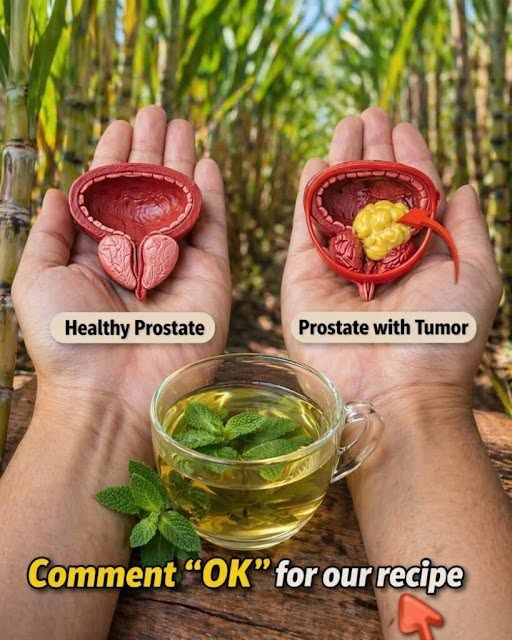
The prostate gland is a vital part of the male reproductive system, playing a key role in producing fluid that nourishes and transports sperm. As men age, maintaining optimal prostate health becomes an essential priority for long-term physical well-being, comfort, and vitality.
When health discussions highlight comparisons between a healthy prostate and conditions involving cellular overgrowth or tumors, it emphasizes the importance of early detection, regular medical screenings, and proactive wellness habits. Understanding how the prostate functions and recognizing potential warning signs allows individuals to take charge of their health.
In this comprehensive guide, we explore the anatomy of the prostate, common prostate concerns, medical evaluation standards, financial and insurance considerations for healthcare, and practical tips to support your long-term wellness.
The Anatomy and Function of the Prostate Gland
To understand prostate health, it helps to review the gland’s basic structure and physiological responsibilities within the male body.
1. Location and Size
The prostate is a walnut-sized gland located directly below the bladder and in front of the rectum. It surrounds the upper portion of the urethra, the tube through which urine and semen pass out of the body.
2. Fluid Production and Muscle Action
During ejaculation, muscular fibers in the prostate squeeze fluid into the urethra to mix with sperm, creating seminal fluid. The prostate also contains hormones that help regulate various urinary and reproductive functions.
+--------------------------+--------------------------------------------------------------+
| Prostate Feature         | Primary Physiological Role                                   |
+--------------------------+--------------------------------------------------------------+
| Location                 | Sits below the bladder, surrounding the urethra              |
| Seminal Fluid Secretion  | Produces fluid that nourishes and transports sperm           |
| Smooth Muscle Control    | Helps expel seminal fluid during ejaculation                 |
| Hormonal Regulation      | Responds to testosterone and related hormones                |
+--------------------------+--------------------------------------------------------------+
Common Prostate Concerns and Warning Signs
As men age, the prostate naturally tends to enlarge, or it can be affected by inflammation or abnormal cell growth. Recognizing early signs of prostate distress is vital for timely medical care.
Key Symptoms to Monitor:
-
Urinary Changes: Difficulty starting a urine stream, weak flow, or the frequent urge to urinate—especially during the night.
-
Pelvic or Lower Back Discomfort: Persistent aches or pressure in the lower pelvic area, hips, or lower back.
-
Painful Urination: Discomfort or burning sensations during urination or ejaculation.
CRITICAL MEDICAL NOTE: If you experience sudden inability to urinate, blood in your urine, or severe pelvic pain, consult a physician or visit an emergency room immediately.
Financial, Health, and Insurance Considerations for Prostate Care
Managing preventative screenings and specialized medical care involves important economic and insurance planning.
1. The Value of Preventative Screenings
Routine wellness exams—such as digital rectal exams (DRE) and prostate-specific antigen (PSA) blood tests—allow doctors to detect changes in prostate health early, significantly improving treatment outcomes and reducing long-term medical costs.
2. Health Insurance Coverage
Standard health insurance policies typically cover preventative annual physicals and medically necessary diagnostic testing for men meeting age and risk guidelines.
Practical Tips for Supporting Prostate Wellness
-
Adopt a Nutrient-Rich Diet: Consume foods rich in antioxidants, such as tomatoes, leafy greens, berries, and healthy fats.
-
Stay Physically Active: Regular moderate exercise helps maintain a healthy weight and supports overall circulatory and pelvic health.
-
Stay Hydrated: Drinking adequate water throughout the day supports proper urinary tract function.
-
Schedule Regular Medical Checkups: Discuss age-appropriate prostate screenings with your primary care physician to catch any changes early.
Fascinating Facts About the Prostate Gland
-
Size Changes Over Time: A baby boy’s prostate is roughly the size of a pea. It grows during puberty and stabilizes around the size of a walnut in adulthood.
-
Ancient Medical History: References to urinary and prostate-like symptoms date back thousands of years in ancient Egyptian medical papyri.
-
Nutritional Synergy: Certain plant compounds found in green tea and vegetables have been studied extensively for their antioxidant properties supporting cellular health.
Frequently Asked Questions (FAQ)
What is the difference between an enlarged prostate and a tumor?
An enlarged prostate (BPH) is a non-cancerous growth common with aging, whereas a tumor involves abnormal, uncontrolled cellular division that requires specialized oncological evaluation.
At what age should men start prostate screenings?
Screening guidelines vary based on individual risk factors, family history, and general health, but discussions with a doctor typically begin around age 50 (or earlier for high-risk individuals).
Can diet impact prostate health?
Yes. Diets high in fruits, vegetables, and healthy fats support overall systemic health, which in turn benefits prostate function.
How can I access natural wellness recipes?
Many individuals explore traditional herbal teas and dietary adjustments as part of a holistic lifestyle approach. Commenting “OK” on our community post unlocks our featured wellness tea recipe!
Conclusion
Maintaining prostate health is an essential component of men’s overall wellness as they age. By understanding how the prostate functions, recognizing early warning signs, and staying proactive with medical screenings, you can safeguard your long-term health.
Combine a healthy diet, regular exercise, proper hydration, and expert medical guidance to ensure lasting physical vitality and total peace of mind!
