
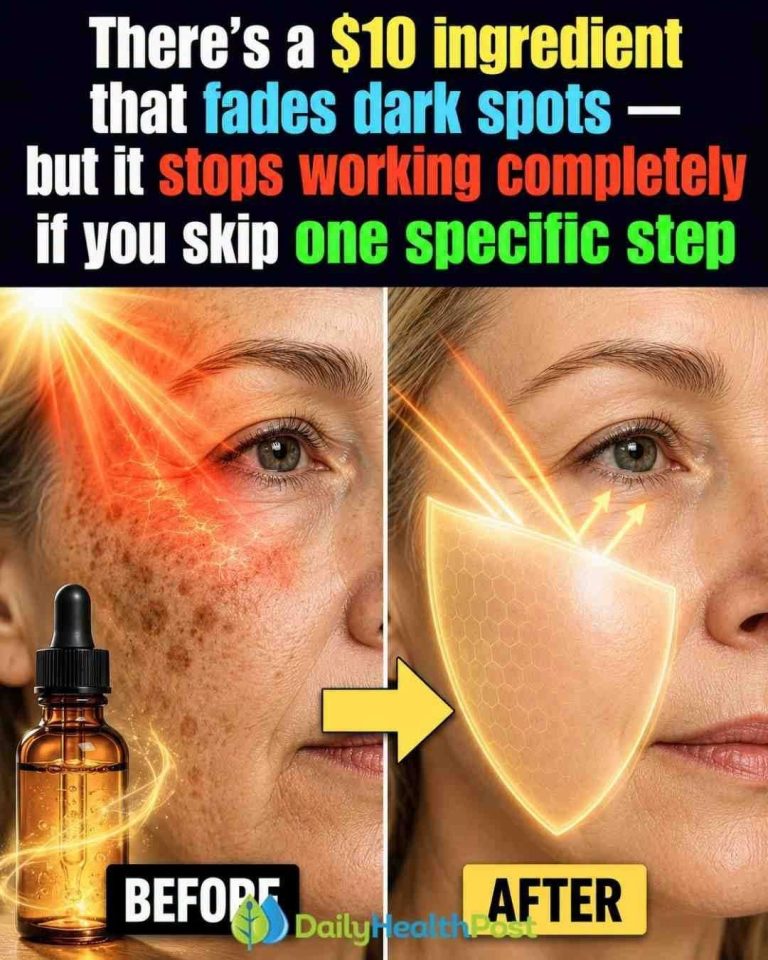
Hyperpigmentation, sun spots, and uneven skin tone are among the most common skincare concerns people face as they age. Whether caused by sun exposure, post-inflammatory acne marks, or hormonal changes, dark spots can be notoriously stubborn to fade.
When beauty posts highlight an affordable $10 skincare ingredient that fades dark spots—warning that it stops working completely if you skip one specific step—it captures widespread interest in accessible skincare solutions. Achieving a bright, even complexion does not require expensive treatments, but it does require understanding active ingredients like Vitamin C, Niacinamide, or Alpha Arbutin, along with the crucial protective habits that preserve your results.
In this comprehensive skincare guide, we explore the biology of hyperpigmentation, the top affordable brightening ingredients, financial and dermatological considerations, and the essential step that guarantees lasting results.
The Science of Hyperpigmentation: How Dark Spots Form
To effectively treat dark spots, it helps to understand why pigment accumulates in the skin in the first place.
1. Melanin Production and Melanocytes
Specialized cells in the skin called melanocytes produce melanin, the pigment responsible for skin color. When stimulated by ultraviolet (UV) radiation, inflammation, or hormonal fluctuations, melanocytes go into overdrive and overproduce melanin in localized areas, forming dark spots.
2. Cell Turnover and Skin Renewal
Fading hyperpigmentation requires two simultaneous processes: inhibiting excess melanin production at the cellular level and accelerating natural cell turnover to shed existing pigmented cells.
+--------------------------+--------------------------------------------------------------+
| Skincare Factor          | Primary Role in Brightening & Spot Reduction                  |
+--------------------------+--------------------------------------------------------------+
| Melanocyte Inhibitors    | Block enzymatic pathways (like tyrosinase) that form melanin |
| Exfoliating Actives      | Accelerate natural turnover to shed existing pigmented cells|
| Daily Broad-Spectrum Sun | Shields skin from UV radiation that triggers hyperpigmentation|
| Barrier Repair Ingredients| Calms inflammation to prevent post-acne dark marks          |
+--------------------------+--------------------------------------------------------------+
The $10 Ingredients That Target Dark Spots
Achieving an even skin tone does not require hundreds of dollars. Several highly effective, dermatologist-recommended ingredients are widely available in budget-friendly formulations ($10 or less):
1. Vitamin C (L-Ascorbic Acid)
A potent antioxidant that neutralizes free radicals, brightens skin tone, and inhibits tyrosinase—the enzyme necessary for melanin synthesis.
2. Niacinamide (Vitamin B3)
Prevents the transfer of pigment from melanocytes to visible skin cells, reducing redness, smoothing texture, and fading dark spots over time.
3. Alpha Arbutin & Kojic Acid
Gentle plant-derived brighteners that target unwanted pigmentation without irritating sensitive skin types.
The Crucial Step You Cannot Skip: Sunscreen Protection
No matter how effective or affordable your brightening serum is, it stops working completely if you skip applying broad-spectrum sunscreen daily.
Why Sunscreen Is Non-Negotiable:
-
UV Rays Trigger Melanin Instantly: Ultraviolet light is the primary activator of melanocytes. Even a few minutes of unprotected sun exposure can trigger new melanin production, undoing weeks of progress made by your brightening serum.
-
Photosensitivity: Many active ingredients that fade dark spots make the skin more sensitive to sunlight, making daily SPF essential to prevent worsening hyperpigmentation.
CRITICAL SKINCARE NOTE: Always apply a broad-spectrum sunscreen with SPF 30 or higher every single morning as the final step in your routine, regardless of whether it is sunny or cloudy outside.
Financial, Health, and Skincare Considerations
Navigating skincare requires balancing budget-conscious choices with safe, evidence-based practices.
1. Affordable vs. Luxury Skincare
High prices in skincare often reflect fancy packaging and marketing rather than superior active ingredients. Budget-friendly $10 serums with concentrated active ingredients can deliver identical or superior results compared to luxury brands when used consistently.
2. Routine Consistency Over Complexity
Using a simple, consistent routine—cleanser, active serum, moisturizer, and daily sunscreen—yields far better results than constantly switching expensive products.
Practical Tips for Fading Dark Spots Safely
-
Apply Sunscreen Daily: Use a broad-spectrum SPF 30+ daily and reapply every 2 hours when outdoors to shield skin from UV rays.
-
Introduce Actives Gradually: Start using new brightening serums 2 to 3 times a week to allow your skin barrier time to adapt without irritation.
-
Be Patient with Results: Fading dark spots naturally takes time—typically 6 to 12 weeks of continuous daily use.
-
Patch Test First: Always perform a patch test on your wrist or inner arm before applying active ingredients to your face.
Fascinating Facts About Human Skin Pigmentation
-
Natural Defense Mechanism: Melanin is actually the body’s built-in defense mechanism designed to absorb harmful UV radiation and protect cellular DNA.
-
Post-Inflammatory Hyperpigmentation: Dark marks left behind by pimples or scratches are caused by localized skin inflammation signaling extra melanin production.
-
Epidermal Renewal: It takes roughly 28 to 40 days for fresh skin cells formed at the base layer to travel to the surface and naturally shed.
Frequently Asked Questions (FAQ)
What is the $10 ingredient that fades dark spots
?
Popular budget-friendly ingredients include Vitamin C, Niacinamide, and Alpha Arbutin, all of which target melanin production and are widely available for under $10.
Why does the ingredient stop working if you skip sunscreen
?
Sunlight triggers instant melanin production in melanocytes. Skipping sunscreen allows UV light to continuously create new dark spots faster than any serum can fade them.
How long does it take to see dark spots fade?
With consistent daily application of brightening serums and sunscreen, noticeable fading typically occurs within 6 to 12 weeks.
Can dark spots return after they fade?
Yes. Unprotected sun exposure can re-activate dormant melanocytes in the same areas, causing dark spots to reappear if daily sunscreen habits are discontinued.
Conclusion
Fading dark spots and achieving a radiant, even complexion is entirely achievable on a budget. By pairing an affordable $10 brightening ingredient with the non-negotiable step of daily broad-spectrum sunscreen protection, you can transform your skin and lock in long-lasting results.
Embrace a simple, consistent skincare routine, protect your skin barrier, and enjoy the confidence of healthy, glowing skin every day!
