
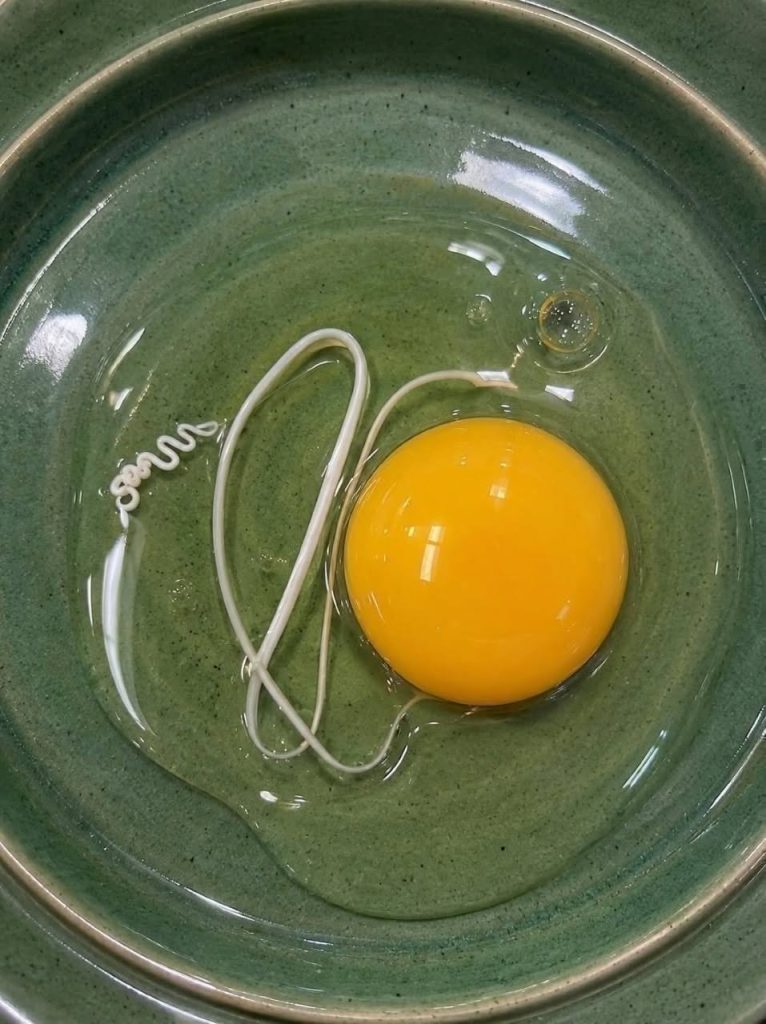
Eggs are one of the most versatile and nutritious staples in kitchens worldwide, prized for their culinary adaptability and rich protein profile. However, cracking open an egg occasionally reveals unexpected physical features that spark curiosity or confusion.
When viral images highlight a prominent, stringy white structure attached to an egg yolk, it raises questions about what this feature is and whether it affects egg quality. Understanding egg anatomy and food safety standards helps home cooks make informed, confident choices in the kitchen.
In this comprehensive guide, we explore the anatomy of an egg, the purpose of the chalaza, financial and grocery considerations, and practical tips for handling and cooking eggs safely.
The Anatomy of an Egg: What Is the Chalaza?
To understand the unusual stringy structure seen in fresh eggs, it helps to review the biological components of an egg.
1. The Role of the Chalaza
The twisted, cord-like white strands attached to the sides of the yolk are called the chalazae (singular: chalaza). Far from being an imperfection or embryo, the chalaza is a completely natural structural component made of twisted protein fibers.
2. Centering the Yolk
The primary function of the chalaza is to act like a natural anchor, suspending the yolk securely in the center of the egg white and protecting it from shocks during handling and transport.
+--------------------------+--------------------------------------------------------------+
| Egg Anatomy Feature      | Primary Physiological Role                                   |
+--------------------------+--------------------------------------------------------------+
| Chalaza                  | Twisted protein cords that anchor and center the yolk        |
| Vitelline Membrane       | Thin casing surrounding the yolk to keep it intact           |
| Thick Albumen            | Dense egg white layer providing moisture and protection      |
| Air Cell                 | Pocket at the wider end of the egg providing oxygen for hatching|
+--------------------------+--------------------------------------------------------------+
Freshness and the Prominence of the Chalaza
Many consumers wonder why the chalaza is more visible in some eggs than others.
1. An Indicator of Freshness
A prominent, firm, and whitish chalaza is actually a primary indicator that an egg is very fresh. As an egg ages over weeks, the chalaza and the thick albumen naturally break down and become less noticeable.
2. Do You Need to Remove It?
There is no need to remove the chalaza before cooking. Once heated or scrambled, it dissolves completely and does not alter the taste, texture, or safety of your dish.
Financial, Health, and Grocery Considerations
Managing kitchen ingredients efficiently involves practical economic and safety planning.
1. Grocery Purchasing and Storage
Buying eggs from reliable sources and storing them properly in the main body of the refrigerator (rather than the door) maintains optimal internal temperatures and preserves freshness.
2. Preventing Food Waste
Understanding natural egg anatomy ensures that safe, high-quality ingredients are never needlessly thrown away due to harmless visual quirks like a prominent chalaza.
Practical Tips for Egg Handling and Kitchen Safety
-
Check for Freshness: Perform a simple water bowl test; fresh eggs sink flat to the bottom, while older eggs float as the internal air cell expands.
-
Leave the Chalaza Intact: Let the chalaza dissolve naturally during cooking for effortless meal preparation.
-
Store in the Refrigerator: Keep eggs in their original carton on an interior refrigerator shelf to protect them from temperature fluctuations.
-
Practice Good Hygiene: Wash hands and surfaces thoroughly after handling raw eggs to maintain kitchen safety.
Fascinating Facts About Eggs
-
Eggshell Porosity: An average chicken eggshell contains between 7,000 and 17,000 tiny pores, allowing air and moisture exchange.
-
Shell Color Origin: The color of an eggshell—ranging from pure white to deep brown or speckled blue—is determined entirely by the breed of the hen.
-
Culinary Versatility: Eggs are considered the gold standard in culinary arts for their ability to bind, thicken, leaven, and emulsify recipes.
Frequently Asked Questions (FAQ)
What is the stringy white thing attached to the egg yolk
?
It is called the chalaza, a natural twisted protein cord that anchors the yolk in the center of the egg.
Is a prominent chalaza a sign of a bad egg?
No. In fact, a firm, highly visible chalaza indicates that the egg is exceptionally fresh.
Do I need to remove the chalaza before cooking?
No, you do not need to remove it. It cooks down completely and blends seamlessly into scrambled eggs, omelets, and baked goods.
How can I tell if an egg has gone bad?
An expired egg will often float to the surface in a bowl of water due to an enlarged internal air pocket, or it will exhibit an unpleasant odor upon cracking.
Conclusion
Encountering a prominent chalaza when cracking open an egg is a completely natural reminder of avian biology and freshness. Rather than being a flaw, these protein anchors ensure that the yolk stays perfectly centered and protected.
By understanding egg anatomy, practicing smart kitchen hygiene, and utilizing proper storage habits, you can cook with confidence and enjoy delicious, wholesome meals every day!
