
A bright, white smile is a universal symbol of health and confidence, leading many people to explore various dental hygiene routines, whitening strips, and natural remedies. Teeth naturally experience surface staining over time from foods, beverages, and daily wear.
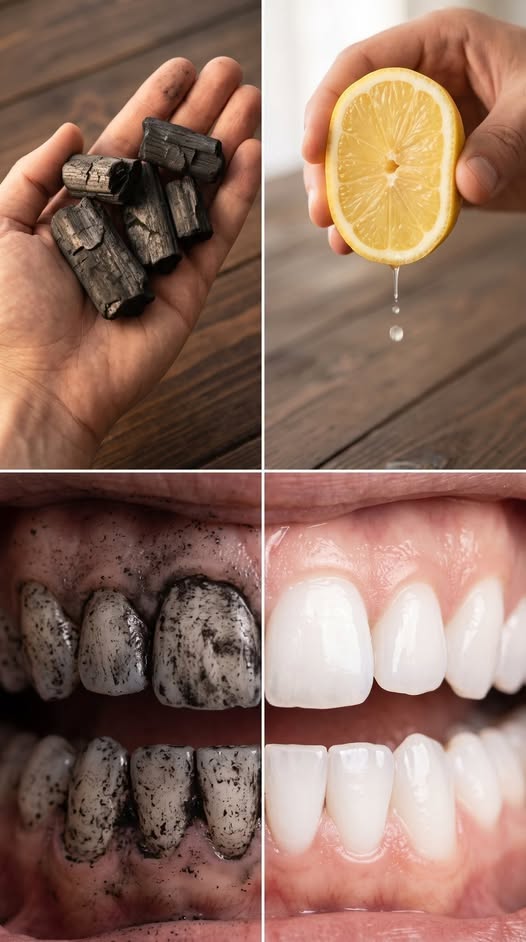
When viral social media graphics feature dramatic before-and-after photos promising miraculous teeth whitening using household ingredients like charcoal and lemon juice, it captures immediate attention and drives massive user engagement. Understanding dental science and enamel protection helps separate internet myths from safe oral care practices.
In this comprehensive guide, we explore the science of tooth enamel, common DIY remedies, financial and healthcare considerations, and practical tips for maintaining a healthy smile.
The Science of Tooth Enamel and Staining
To understand how teeth whitening works, it helps to examine the structural layers of human teeth.
1. Enamel Protection and Dentin
Tooth enamel is the hard, protective outer layer covering the crown of the tooth. Beneath the translucent enamel lies dentin, a yellowish tissue that can show through as enamel naturally thins with age.
2. Evaluating DIY Abrasive and Acidic Claims
While internet trends suggest scrubbing teeth with abrasive charcoal and acidic lemon juice, dental professionals warn that these harsh combinations can erode tooth enamel and irritate gums over time.
+--------------------------+--------------------------------------------------------------+
| Dental Component         | Biological Function and Consideration                        |
+--------------------------+--------------------------------------------------------------+
| Tooth Enamel             | Hard protective outer layer that shields teeth from damage   |
| Acidic Lemon Juice       | Low pH can dissolve enamel and increase tooth sensitivity    |
| Abrasive Charcoal        | Can wear down protective enamel with aggressive scrubbing    |
| Professional Dentistry   | Safe whitening methods protect long-term dental health       |
+--------------------------+--------------------------------------------------------------+
Evaluating Viral Dental Trends: Fact vs. Fiction
While internet beauty posts are entertaining, evaluating them critically ensures safe and realistic dental hygiene habits.
1. The Transformation Hook
Social media posts use dramatic before-and-after comparison photos to generate high user interest, shares, and comments as users ask for the “secret” recipe.
2. Setting Realistic Expectations
Relying on unverified viral DIY mixtures can sometimes lead to irreversible enamel damage and sensitivity, making professional dental guidance essential.
CRITICAL DENTAL NOTE: Always consult your dentist before trying abrasive DIY whitening methods to prevent permanent damage to your tooth enamel.
Financial, Healthcare, and Dental Considerations
Investing in oral health involves practical budgeting and evidence-based routines.
1. Choosing Safe Whitening Products
Dentists recommend ADA-approved whitening toothpastes and professional treatments that brighten smiles without compromising enamel integrity.
2. Routine Dental Checkups
Visiting a licensed dentist twice a year ensures you receive professional cleanings and safe recommendations for managing surface stains.
Practical Tips for Maintaining a Healthy Smile
-
Consult Your Dentist: Discuss safe and effective whitening options with a licensed dental professional.
-
Brush and Floss Daily: Maintain consistent oral hygiene habits to prevent plaque buildup and natural staining.
-
Avoid Harsh DIY Abrasives: Protect your enamel by skipping abrasive charcoal and lemon scrubs.
-
Engage with Dental Communities: Share your favorite oral care tips and discuss healthy routines by commenting on our posts!
Fascinating Facts About Human Teeth
-
The Hardest Substance: Tooth enamel is the hardest and most highly mineralized substance in the human body, even tougher than bone.
-
Unique Dental Prints: Just like fingerprints, every human has a completely unique set of dental patterns.
-
Saliva Protection: Natural saliva plays a vital role in neutralizing acids and washing away food particles to protect teeth from decay.
Frequently Asked Questions (FAQ)
Can charcoal and lemon juice safely whiten your teeth
?
No, dentists warn that the combination of abrasive charcoal and acidic lemon juice can erode tooth enamel and cause long-term sensitivity.
What are the safest ways to whiten teeth?
Using ADA-approved whitening products, maintaining good oral hygiene, and seeking professional treatments are the safest ways to brighten your smile.
Why do viral dental posts often show exaggerated results
?
Dramatic before-and-after photos are often optimized for visual impact to drive high user engagement and comments on social media.
Where can I find more dental guides and health tips
?
You can explore our complete collection of wellness articles by engaging with our community posts and commenting as requested!
Conclusion
Navigating dental care requires a balance of realistic expectations, evidence-based habits, and critical thinking when encountering viral claims. By focusing on professional guidance and proven oral hygiene practices, you can protect your smile with total peace of mind.
Embrace healthy dental routines, protect your enamel, and enjoy a radiant, confident lifestyle!
