
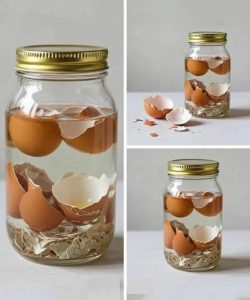
Gardening enthusiasts are constantly looking for sustainable, budget-friendly ways to nourish their plants and improve soil quality without relying on synthetic chemical fertilizers. One of the most ingenious, time-tested home gardening hacks involves repurposing kitchen waste into a powerful, nutrient-rich liquid fertilizer known as eggshell water.
Instead of discarding eggshells in the trash, savvy gardeners soak them in water to extract vital minerals directly into solution. This simple DIY tonic provides an effortless way to supply plants with bioavailable calcium and essential nutrients that support strong cellular growth and thriving root systems.
This comprehensive guide explores the science of calcium extraction, step-by-step instructions for making eggshell fertilizer, plant health benefits, and smart sustainability practices for your home and garden.
The Science of Calcium and Plant Nutrition
To understand why soaking eggshells in water works so effectively, it helps to look at the elemental composition of eggshells and plant biology.
The Role of Calcium in Plant Growth
Calcium is a foundational macronutrient required by plants for several key physiological functions:
-
Cell Wall Formation: Calcium pectate binds plant cell walls together, providing structural rigidity and strength to stems, leaves, and developing fruit.
-
Preventing Blossom-End Rot: In crops like tomatoes, peppers, and squash, calcium deficiencies often lead to unsightly black, sunken spots on the bottom of the fruit; regular calcium supplementation prevents this condition.
-
Nutrient Absorption: Adequate calcium levels help regulate the uptake of other critical minerals, enhancing overall plant vigor and stress resistance.
Why Water Extraction Works
Eggshells are composed primarily of calcium carbonate. While solid eggshells break down very slowly in garden soil, soaking crushed or whole shells in water allows the minerals to leach gradually into the liquid over time, creating an easily absorbable nutrient solution for potted plants and garden beds.
Step-by-Step Guide: How to Make Eggshell Water Fertilizer
Creating your own nutrient-rich plant tonic at home is simple, economical, and environmentally friendly.
1. Collecting and Cleaning Eggshells
-
Save and Rinse: Collect clean eggshells from your cooking routine, rinsing away any leftover egg white residue to prevent unwanted odors or pests.
-
Drying: Let the shells dry completely for a day or two in a sunny spot or on a baking sheet.
2. Soaking and Extracting
-
Crush and Fill: Lightly crush the dried eggshells and place them inside a large glass jar or pitcher.
-
Add Water: Pour filtered or tap water over the shells, filling the jar to the top.
-
Steep the Mixture: Cover the jar loosely and let the shells steep for 5 to 7 days, allowing the calcium carbonate to dissolve into the water.
3. Application and Feeding
-
Strain the Liquid: Strain out the remaining shell fragments using a fine mesh sieve.
-
Water Your Plants: Use the nutrient-rich water to hydrate your indoor houseplants, garden vegetables, or flower beds once every couple of weeks.
Financial Savings and Sustainable Gardening
Embracing DIY kitchen hacks for your garden provides substantial economic and environmental advantages.
Reducing Household Waste
-
Zero-Cost Fertilizer: Instead of purchasing expensive commercial calcium supplements and synthetic liquid fertilizers, you can utilize everyday kitchen waste that would otherwise go into landfills.
-
Eco-Friendly Living: Recycling organic kitchen scraps fosters a sustainable closed-loop system in your home, supporting organic gardening practices.
Important Safety Guidelines and Precautions
When preparing and using organic plant tonics, keep these guidelines in mind:
-
Rinse Thoroughly: Always rinse eggshells thoroughly before soaking to prevent attracting ants, fruit flies, or bacteria during the steeping process.
-
Balanced Feeding: While eggshell water provides excellent calcium supplementation, remember that plants also require nitrogen, phosphorus, potassium, and micronutrients for complete health, so use it as part of a balanced feeding routine.
Interesting Historical Facts About Gardening and Organic Nutrients
-
Ancient Agricultural Practices: Indigenous farmers and ancient agriculturalists utilized crushed shells, bone meal, and wood ash for centuries to enrich acidic soils and promote bountiful crop yields.
-
The Versatility of Calcium Carbonate: Beyond gardening, calcium carbonate derived from natural sources has been utilized throughout history in masonry, pottery glazing, and traditional medicine.
Conclusion: Nourish Your Garden Naturally
Transforming ordinary eggshells into a nourishing plant tonic is a wonderful way to combine sustainability, creativity, and effective gardening. By harnessing the natural calcium locked inside eggshells, you can support stronger cell structures, prevent common plant disorders, and reduce household waste effortlessly.
Try this simple eggshell water trick in your garden today and watch your plants thrive!
Frequently Asked Questions (FAQ)
How often should I apply eggshell water to my houseplants?
Applying eggshell water once every two weeks is generally sufficient for most indoor houseplants and container gardens to receive adequate calcium without over-saturating the soil.
Can I crush eggshells directly into my soil instead of making water?
Yes! Crushing dried eggshells into a fine powder and mixing them directly into the soil works well, though it takes much longer for the calcium to break down and become available to plant roots compared to liquid extraction.
Will eggshell water change the pH of my soil?
Eggshells are slightly alkaline due to their calcium carbonate content, which can help neutralize overly acidic soils over long periods, though regular watering with eggshell water has a very gradual effect.
