
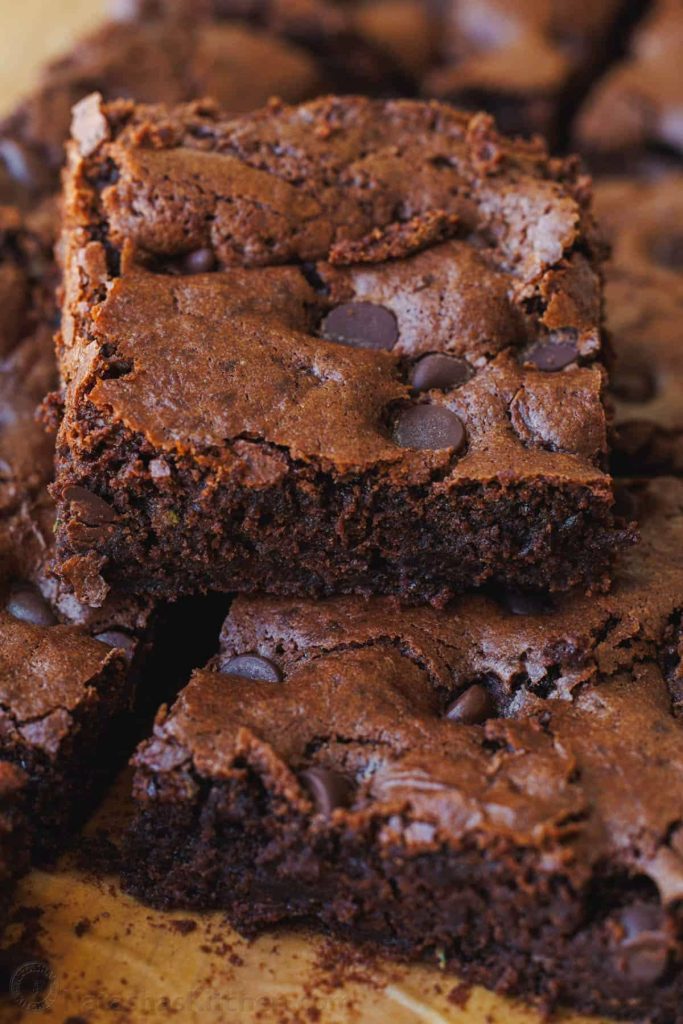
Few baked goods evoke as much universal comfort, joy, and indulgence as a freshly baked pan of rich, fudgy chocolate brownies. With their crinkly, shiny tops, moist and dense interiors, and deep chocolate flavor, brownies remain an absolute favorite for dessert lovers everywhere. Whether you prefer them cakey, chewy, or intensely fudgy, mastering the art of brownie baking is a rewarding culinary skill.
In recent years, home baking has surged in popularity as people seek comforting, stress-relieving kitchen projects that yield delicious rewards. Baking from scratch allows you to control ingredient quality, experiment with mix-ins, and achieve a professional bakery-style texture right in your own kitchen.
This comprehensive guide explores the science of brownie baking, step-by-step preparation instructions, flavor variations, and practical kitchen tips to ensure your brownies turn out perfectly every time.
The Science of Fudgy vs. Cakey Brownies
Why do some brownie recipes yield a dense, fudge-like consistency while others turn out light and cakey? The secret lies in the precise ratio of fats, sugars, flour, and leavening agents.
Understanding Ingredient Ratios
-
Fat and Chocolate: High-fat content from butter and quality chocolate creates a rich, dense mouthfeel, slowing down gluten development in the flour.
-
Eggs and Moisture: Using fewer eggs or incorporating whole eggs beaten with sugar to create a shiny crust (without adding baking powder) keeps the interior moist and compact.
-
Flour Content: Keeping flour amounts minimal ensures the brownies maintain their signature fudgy density rather than rising into a cake-like texture.
Step-by-Step Guide: How to Bake Ultimate Fudgy Brownies
Achieving bakery-quality brownies requires simple ingredients and careful attention to baking times.
1. Essential Ingredients
-
Quality Chocolate: Use high-quality bittersweet or semi-sweet baking chocolate along with unsweetened cocoa powder for a deep flavor profile.
-
Butter and Sugar: Melted unsalted butter combined with granulated and brown sugars creates moist richness and caramel undertones.
-
Eggs and Vanilla: Fresh eggs provide structure and binding, while pure vanilla extract enhances the chocolate notes.
2. Preparation and Mixing
-
Melt and Whisk: Melt the butter and chocolate together gently, then whisk in the sugars until smooth.
-
Fold Gently: Fold in the dry ingredients (flour, cocoa powder, and a pinch of salt) just until combined; over-mixing can make the brownies tough. Fold in chocolate chips for extra pockets of melted chocolate.
3. Baking to Perfection
-
Bake Time: Bake in a preheated oven at 350 degrees Fahrenheit (175 degrees Celsius) for 25 to 30 minutes.
-
The Toothpick Test: Unlike cakes, a toothpick inserted into fudgy brownies should come out with a few moist crumbs attached—not completely clean—to ensure they do not dry out.
Creative Flavor Variations and Mix-Ins
While classic chocolate brownies are hard to beat, you can easily customize your recipe with exciting flavor combinations:
-
Sea Salt Caramel Swirl: Drizzle thick caramel sauce over the batter and swirl with a knife before baking, then sprinkle flaky sea salt on top once cooled.
-
Nutty Crunch: Fold in chopped toasted walnuts, pecans, or macadamia nuts for a delightful contrasting texture.
-
Espresso Enhancement: Add a teaspoon of instant espresso powder to the warm chocolate mixture; coffee intensifies the rich flavor of chocolate without making the brownies taste like coffee.
Financial Savings and Baking at Home
Baking your own gourmet desserts at home provides significant financial and personal benefits.
Cutting Dessert Costs
Purchasing specialty brownies from upscale bakeries or cafes carries a hefty retail markup. Baking a large pan of gourmet brownies at home costs a fraction of the price while yielding enough generous squares to feed family, guests, or coworkers.
Important Safety Guidelines and Baking Cautions
When baking and handling hot cookware, keep these safety measures in mind:
-
Allow Proper Cooling: Let your brownies cool completely in the pan on a wire rack before attempting to slice them. Cutting into hot brownies will cause them to crumble and fall apart.
-
Oven Temperature Accuracy: Use an oven thermometer to verify your baking temperature; incorrect oven heat can prevent brownies from setting properly in the center.
Interesting Facts About Brownies
-
Accidental Invention: According to culinary folklore, the chocolate brownie was invented in the late 19th century when a Chicago chef accidentally forgot to add baking powder to a batch of chocolate cake batter, resulting in the dense, flat treat we love today.
-
Global Popularity: Today, brownies are celebrated worldwide as an iconic American comfort food, inspiring countless variations in bakeries across every continent.
Conclusion: Master Your Baking Skills
Baking the ultimate fudgy chocolate brownie is a delightful experience that combines simple ingredients into an extraordinary dessert. By understanding the balance of fats and sugars, avoiding over-baking, and letting your creation cool before slicing, you can enjoy rich, bakery-quality treats right at home.
Try baking a fresh batch of fudgy brownies today and share the sweetness with those you love!
Frequently Asked Questions (FAQ)
Why did my brownies turn out cakey instead of fudgy?
Using too much flour, adding a leavening agent like baking powder, or baking the brownies for too long will result in a lighter, cake-like texture rather than a dense, fudgy one.
How should I store leftover brownies to keep them moist?
Store your cooled brownies in an airtight container at room temperature for up to three days, or place a slice of plain white bread inside the container—the brownies will absorb moisture from the bread, keeping them soft and fudgy.
Can I freeze baked brownies?
Yes! Wrap individual brownie squares tightly in plastic wrap and store them in a freezer-safe bag for up to three months. Thaw at room temperature before serving.
