
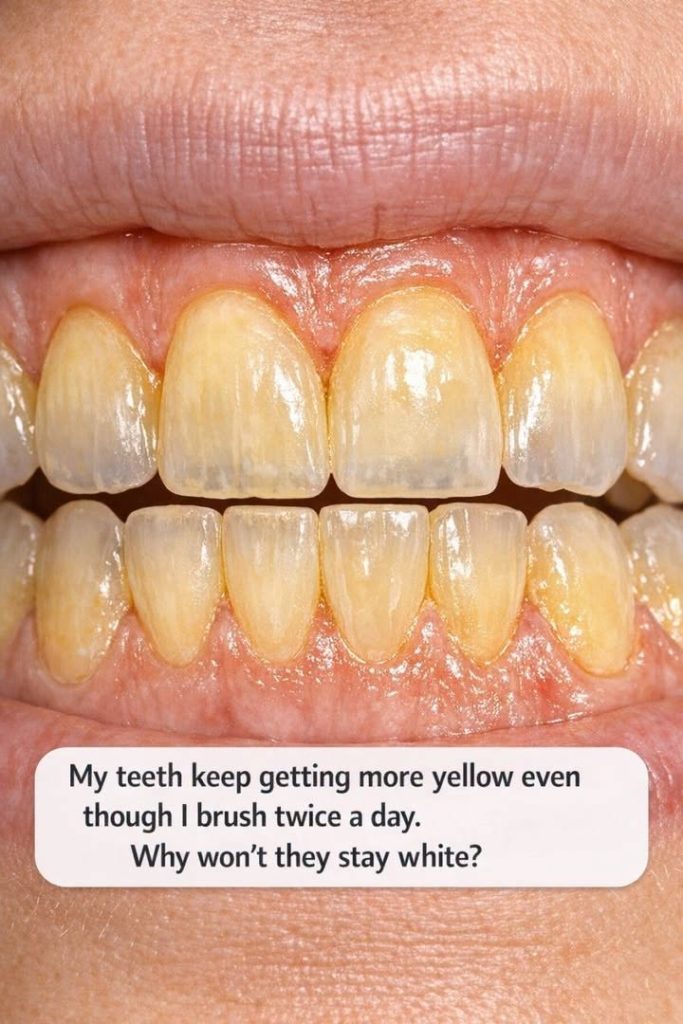
Maintaining a bright, confident smile is a universal goal, yet many people experience a frustrating reality: despite brushing twice a day, teeth gradually lose their brightness and take on a yellowish tint. This common concern leads many to wonder why standard oral hygiene routines alone sometimes fail to keep teeth sparkling white.
Tooth discoloration is a complex process influenced by genetics, diet, lifestyle habits, and natural aging. Understanding the underlying causes of yellowing teeth allows you to adopt effective preventive measures, dietary adjustments, and professional whitening strategies to protect your smile.
This comprehensive guide explores the science of tooth enamel, common causes of yellowing, step-by-step whitening routines, financial savings, and practical dental care tips.
The Science of Tooth Color and Enamel Anatomy
To understand why teeth turn yellow, it is essential to examine the structural layers of a human tooth.
Enamel vs. Dentin
-
Translucent Enamel: The outermost layer of your tooth is hard, white enamel. While enamel is strong, it is naturally semi-translucent, meaning light passes through it rather than reflecting entirely white.
-
Yellow Dentin: Directly beneath the enamel lies dentin, a dense, naturally yellowish bone-like tissue. As we age or as enamel thins due to wear and tear, the yellowish dentin shows through more prominently, giving teeth a darker or yellower appearance.
Common Reasons Why Teeth Turn Yellow Despite Brushing
Even with diligent brushing habits, several everyday factors contribute to progressive tooth discoloration:
1. Enamel Erosion and Thinning
Aggressive brushing, acidic foods, and natural aging wear down the outer layer of enamel over time. As enamel thins, the underlying yellow dentin becomes increasingly visible, making daily brushing ineffective at restoring original whiteness.
2. Chromogenic Dietary Stains
Dark-pigmented beverages and foods—such as coffee, black tea, red wine, dark sodas, berries, and soy sauce—contain intense color compounds called chromogens that cling to dental plaque and stain porous tooth enamel.
3. Tobacco Use and Smoking
Nicotine and tar particles from cigarettes and cigars penetrate micro-cracks in tooth enamel, causing stubborn brown and yellow discoloration that standard toothpaste struggles to remove.
Step-by-Step Guide: How to Maintain a Brighter Smile
Combating discoloration requires a multi-faceted approach to daily dental hygiene and lifestyle choices.
1. Optimize Your Brushing Technique
-
Use a Soft-Bristled Toothbrush: Avoid scrubbing too hard with stiff bristles, which strips away enamel and irritates gums. Brush gently in circular motions for a full two minutes.
-
Incorporate Whitening Toothpaste Carefully: Use ADA-approved whitening toothpastes containing mild polishing agents to remove surface stains without abrading your enamel.
2. Dietary and Lifestyle Adjustments
-
Drink Through a Straw: When consuming staining beverages like iced coffee, tea, or soda, use a straw to minimize direct contact with your front teeth.
-
Rinse After Meals: Swishing plain water in your mouth immediately after consuming acidic foods or staining drinks helps wash away food particles and neutralize acids.
Financial Savings and Professional Dental Care
Investing in proactive dental hygiene and preventative care yields significant long-term financial benefits.
Avoiding Costly Cosmetic Procedures
Preventing severe enamel wear and surface staining through proper daily habits saves you hundreds of dollars on expensive professional whitening treatments, veneers, and restorative dental procedures down the road.
Protecting Oral Health Investments
Regular dental check-ups ensure that underlying issues—such as decay, plaque buildup, or gum recession—are addressed before they compromise your dental health and smile aesthetics.
Important Safety Guidelines and Precautions
When exploring teeth whitening methods, keep these safety measures in mind:
-
Avoid Harsh DIY Remedies: Be cautious with abrasive home remedies like scrubbing teeth with baking soda paste and lemon juice or activated charcoal; excessive acidity and harsh abrasives can permanently destroy your tooth enamel.
-
Consult Your Dentist: Before using over-the-counter whitening strips or LED bleaching kits, consult your dentist to ensure your gums and teeth are healthy and free of cavities or exposed roots.
Interesting Facts About Teeth and Enamel
-
The Hardest Substance in the Body: Tooth enamel is the hardest and most mineralized substance in the human body—even stronger than bone—yet it cannot regenerate once it is worn away.
-
Naturally Off-White: Naturally healthy teeth are rarely blinding white; they typically carry subtle yellow, gray, or ivory undertones depending on your unique genetic makeup and enamel thickness.
Conclusion: Protect Your Enamel and Brighten Your Smile
Discovering that your teeth are turning yellow despite brushing twice a day can be frustrating, but understanding the science behind enamel wear and staining sheds light on the solution. By protecting your enamel, modifying staining habits, and maintaining proper oral hygiene, you can preserve a radiant, healthy smile for years to come.
Frequently Asked Questions (FAQ)
Can worn-down enamel be restored naturally?
No, once tooth enamel is eroded or lost, the body cannot regenerate it because enamel contains no living cells. However, you can strengthen remaining enamel through proper remineralization techniques using fluoride and a balanced diet.
Why do some people naturally have yellower teeth than others?
Genetics play a major role in determining your natural tooth color. Some people inherit thicker, whiter enamel, while others naturally have thinner enamel that reveals more of the yellowish dentin underneath.
Are professional dental cleanings effective at removing yellow stains?
Yes! Professional dental cleanings remove hardened tartar and stubborn surface stains that regular at-home brushing cannot reach, instantly brightening your smile.
