
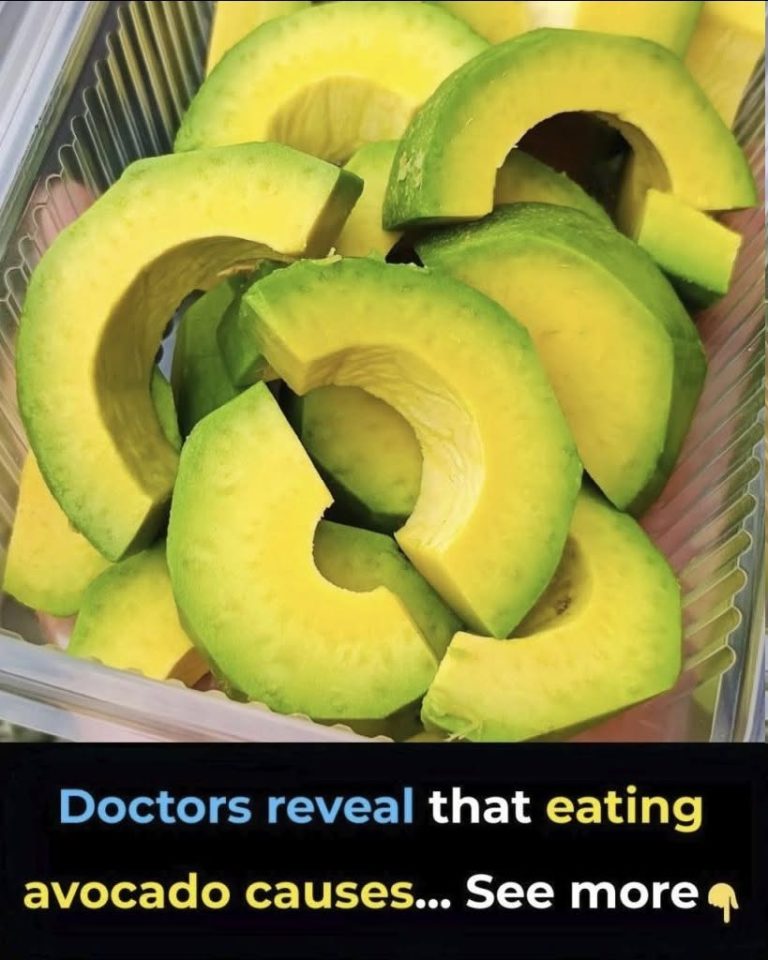
Avocados have surged in popularity over recent years, transforming from a specialty salad ingredient into a global superfood staple found in kitchens everywhere. Renowned for their creamy texture, rich flavor, and versatility, avocados are celebrated not only for their culinary appeal but also for their impressive nutritional profile.
When health experts and medical professionals discuss the daily inclusion of avocados in a balanced diet, a wide range of positive physiological impacts emerge. From supporting cardiovascular wellness to providing essential healthy fats, this unique fruit offers remarkable advantages for long-term health.
This comprehensive guide explores the nutritional science of avocados, health insights, step-by-step preparation tips, and ways to incorporate them into your daily meals.
The Nutritional Profile of Avocados
To understand why doctors and nutritionists praise avocados, it is essential to examine their unique macronutrient and micronutrient composition.
Heart-Healthy Monounsaturated Fats
Unlike most other fruits that consist primarily of carbohydrates, avocados are exceptionally rich in healthy fats.
-
Oleic Acid: Avocados contain high amounts of oleic acid, a prominent monounsaturated fatty acid linked to reduced inflammation and improved heart health.
-
Cholesterol Regulation: Incorporating healthy plant fats into your diet helps maintain healthy cholesterol levels by supporting balanced ratios.
Essential Vitamins and Fiber
Avocados are packed with vital nutrients that support daily bodily functions:
-
Dietary Fiber: A single avocado provides a substantial amount of soluble and insoluble fiber, promoting optimal digestive health and sustained satiety.
-
Potassium and Vitamins: They contain more potassium than bananas, along with rich concentrations of Vitamin E, Vitamin K, Vitamin C, and B-complex vitamins.
Step-by-Step Guide: Selecting and Preparing Avocados
Enjoying avocados at peak ripeness requires knowing how to select and handle them properly.
1. Choosing the Right Ripeness
-
Checking Color and Texture: Look for avocados with a dark green or nearly black textured skin that yield gently to firm, gentle pressure without feeling overly mushy.
-
The Stem Trick: Peek under the small stem cap at the top; if it removes easily and reveals green underneath, the avocado is ripe and ready. If it is brown, the fruit is overripe.
2. Culinary Preparation
Slice avocados carefully around the central pit, twist the halves apart, and use a spoon or knife edge to remove the seed before scooping or slicing the creamy flesh for salads, toast, or smoothies.
Financial Savings and Smart Grocery Shopping
Smart shopping habits allow you to enjoy nutrient-dense foods while managing your household grocery budget.
Buying in Stages
To avoid wasting money on overripe or spoiled produce, purchase a mix of ripe avocados for immediate use and firm green avocados that will ripen over the course of several days on your kitchen counter.
Important Safety Guidelines and Precautions
When preparing and consuming avocados, keep these safety tips in mind:
-
Safe Cutting Technique: Always slice avocados on a stable cutting board rather than holding them in the palm of your hand when removing the pit to avoid accidental knife slips.
-
Caloric Density: While avocados provide incredible health benefits, they are also calorically dense due to their healthy fat content; moderation is key when balancing daily caloric intake.
Interesting Facts About Avocados
-
Ancient Cultivation: Avocados have been cultivated by Mesoamerican civilizations—including the Aztecs and Mayans—dating back thousands of years.
-
Botanical Classification: Although treated as a vegetable in culinary dishes, the avocado is botanically classified as a single-seeded berry.
Conclusion: Embrace Healthy Fats
Incorporating avocados into your daily diet is a fantastic way to nourish your body, support heart health, and enjoy delicious, nutrient-dense meals. By understanding their nutritional value and learning how to select and prepare them properly, you can harness all the amazing benefits this unique superfood has to offer.
Try adding fresh avocado to your meals this week and experience the wellness benefits firsthand!
Frequently Asked Questions (FAQ)
Is it healthy to eat an avocado every single day?
Yes, for most healthy individuals, consuming half or a whole avocado daily is part of a balanced diet that provides essential fats, fiber, and vitamins.
How can I speed up the ripening process of a hard avocado?
Place hard, unripe avocados inside a brown paper bag alongside a banana or an apple; these fruits release ethylene gas, which naturally accelerates the ripening process within 24 to 48 hours.
How do I prevent sliced avocado from turning brown?
To prevent oxidation and browning, brush exposed avocado flesh with fresh lemon or lime juice, press plastic wrap directly against the surface, and store it in the refrigerator.
