
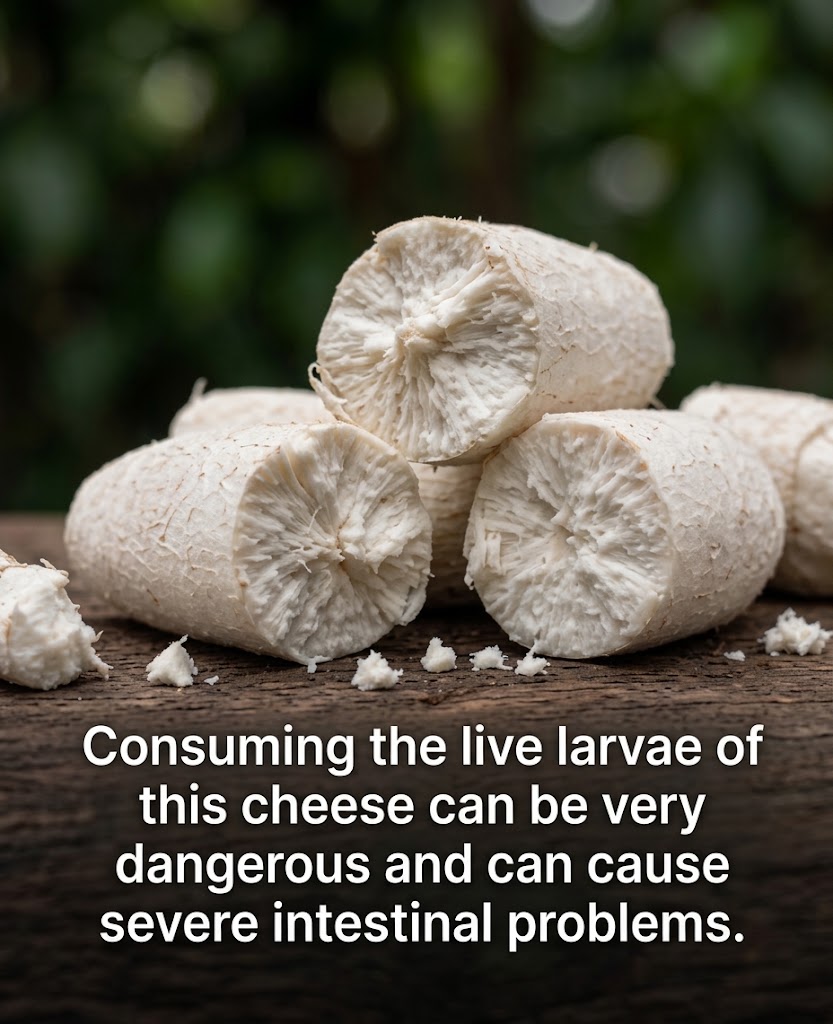
The global culinary world is filled with unique, unconventional, and sometimes shocking delicacies that challenge our traditional perceptions of food. While mainstream cheeses are aged in controlled environments to develop rich flavors and textures, certain cultural traditions push fermentation to extreme boundaries. Among the most infamous culinary novelties in the world is Casu Marzu, a traditional Sardinian sheep milk cheese known for containing live insect larvae.
When images or stories of maggot-infested cheese circulate online, they spark intense curiosity, disbelief, and caution. The warning that consuming live larvae can cause severe intestinal problems highlights the real biological risks associated with eating decomposed or insect-infested dairy products.
This comprehensive guide explores the science behind Casu Marzu, the health hazards of consuming live larvae, Sardinian cultural traditions, and global food safety standards.
The Science of Casu Marzu: How It’s Made
To understand what Casu Marzu is, it helps to examine its unique and extreme production process.
The Role of Cheese Flies
Casu Marzu translates from Sardinian as “rotted cheese”. It begins as a traditional pecorino cheese that is intentionally left outdoors exposed to the cheese fly, Piophila casei.
-
Egg Laying: Female cheese flies lay eggs inside cracks and crevices in the cheese rind.
-
Larval Activity: Once the eggs hatch, the thousands of microscopic larvae (maggots) tunnel through the cheese, digesting the fats and breaking down the proteins through their digestive secretions, which softens the cheese into a rich, creamy paste.
Health Risks: Why Consuming Live Larvae is Dangerous
While adventurous food connoisseurs in Sardinia have consumed Casu Marzu for centuries, modern medical and food safety authorities strictly ban its commercial sale due to significant health hazards.
1. Myiasis and Intestinal Infestation
The primary danger of eating Casu Marzu with live larvae involves a condition known as myiasis.
-
Surviving Digestion: Unlike typical food bacteria destroyed by stomach acid, some cheese fly larvae possess tough exoskeletons and can survive the acidic environment of the human stomach.
-
Intestinal Perforation: If ingested alive, the larvae can tunnel through the intestinal wall, causing severe abdominal pain, nausea, vomiting, bloody diarrhea, and potentially life-threatening gastrointestinal complications.
2. Bacterial Contamination and Food Poisoning
Because the cheese is left exposed to insects and environmental pathogens during decomposition, it carries a high risk of harboring harmful bacteria that can trigger acute food poisoning.
Cultural Heritage vs. Modern Food Safety
The controversy surrounding Casu Marzu represents a fascinating clash between ancient culinary traditions and modern public health regulations.
The Sardinian Tradition
In rural Sardinian culture, Casu Marzu is viewed as a prized artisanal heritage food, traditionally served during celebrations, weddings, and local gatherings. Local producers defend the practice as an expression of historic resourcefulness where no part of fermented dairy went to waste.
Regulatory Bans
Due to European Union food hygiene laws and health standards prohibiting the sale of food containing parasites, Casu Marzu is illegal to buy or sell commercially, though small underground markets still exist locally in Sardinia.
Financial Savings and Culinary Safety
When exploring exotic or unfamiliar foods, prioritizing personal safety and health over culinary curiosity is paramount.
Avoiding Dangerous Food Novelties
While traveling and trying local foods is a rewarding part of global exploration, consuming unregulated products containing live parasites or insects poses severe financial and medical risks, often resulting in expensive emergency medical care and hospital stays.
Important Safety Guidelines and Cautions
When evaluating traditional or unusual foreign foods, keep these safety measures in mind:
-
Adhere to Food Safety Standards: Always purchase dairy products and meats from regulated, inspected commercial sources to ensure proper pasteurization and safety.
-
Recognize Signs of Spoilage: Never consume cheeses or foods that show unexpected insect infestation, abnormal decomposition, or foul odors unless prepared by certified culinary experts following rigorous safety protocols.
Interesting Facts About Extreme Foods
-
Jumping Maggots: The larvae found in Casu Marzu are capable of launching themselves up to six inches into the air when disturbed, prompting some traditional diners to wear protective eyewear while eating the cheese.
-
Global Delicacies of Fermentation: From fermented shark in Iceland (Hákarl) to century eggs in China, cultures worldwide have developed unique preservation methods using controlled decay.
Conclusion: Balancing Tradition and Health
The story of Casu Marzu offers a dramatic look into how different cultures approach food fermentation and preservation. While it remains a fascinating cultural artifact of Sardinian history, the severe health risks associated with consuming live larvae make it a danger best left off the dinner table.
Frequently Asked Questions (FAQ)
Is Casu Marzu legal to purchase in restaurants?
No. Due to strict EU health and hygiene regulations regarding parasites and food safety, Casu Marzu is illegal to sell commercially, though it is sometimes produced privately for local cultural events in Sardinia.
What happens if someone accidentally eats live maggots?
Ingesting live insect larvae can cause severe gastrointestinal distress, allergic reactions, and internal parasitic infections like myiasis, requiring immediate medical evaluation.
How do traditional eaters consume Casu Marzu safely?
Some traditional consumers place the cheese inside a sealed paper bag; as the oxygen depletes, the maggots try to escape, creating a popping sound, after which the cheese is consumed once the larvae die or are removed. However, this method does not eliminate all health risks.
