
Digestive discomfort, bloating, and irregular bowel movements are among the most common healthcare concerns reported by adults. Modern sedentary lifestyles, highly processed diets, insufficient dietary fiber, and chronic dehydration frequently contribute to sluggish digestion and constipation.
While viral social media graphics often promote exaggerated claims about clearing massive amounts of waste overnight using extreme detox drinks, gastroenterologists and medical experts emphasize that sustainable digestive health comes down to basic biological principles: optimizing elimination posture, maintaining proper hydration, consuming dietary fiber, and supporting natural bowel motility.
In this comprehensive health guide, we will analyze the anatomical mechanics of bowel movements, discuss natural remedies for constipation, examine dietary strategies for colon wellness, and review the broader financial, health insurance, and legal considerations essential for digestive healthcare management.
The Anorectal Angle: Why Posture Matters During Elimination
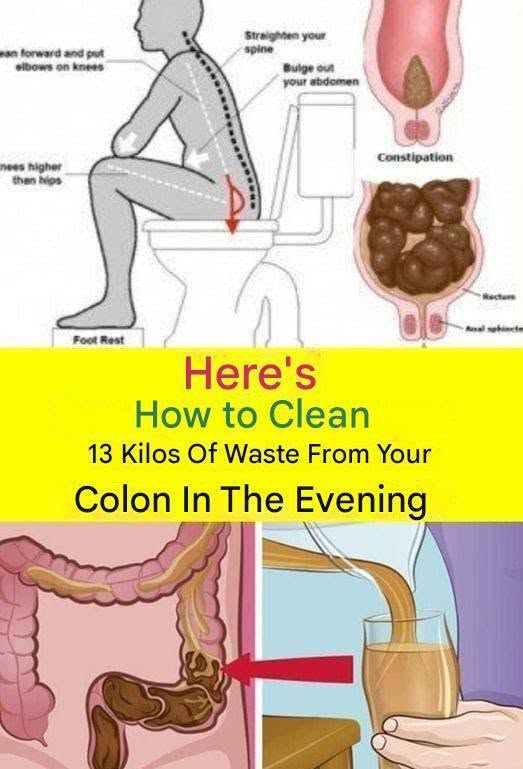
The top portion of the provided diagram illustrates a fundamental principle of human digestive biomechanics: toilet posture directly influences bowel elimination ease.
The Role of the Puborectalis Muscle
In the human body, the puborectalis muscle wraps around the lower rectum like a lasso, creating a sharp bend known as the anorectal angle.
-
Standard Sitting Posture (90-Degree Angle): Sitting upright on a standard modern toilet keeps the puborectalis muscle partially constricted, maintaining a sharp kink in the rectum. This kink acts as a natural valve to prevent accidental leakage, but it forces individuals to strain during bowel movements when constipated.
-
Squatting Posture (35-Degree Angle): Elevating the knees higher than the hips—using a small footstool or leaning forward with elbows on knees—relaxes the puborectalis muscle completely. This straightens the anorectal canal, allowing waste to pass smoothly without excessive intra-abdominal pressure or painful straining.
Understanding Constipation vs. Mythical “Colon Waste” Claims
Viral health claims frequently suggest that the average person carries dozens of pounds of “toxic sludge” or “impacting waste” in their colon that must be flushed out with aggressive laxatives or colon cleanses. Medical science refutes this myth:
-
Natural Self-Cleaning Mechanism: A healthy human digestive tract is an extraordinary self-cleaning system. The colon naturally moves digested food waste continuously through rhythmic muscular contractions (peristalsis).
-
True Medical Constipation: Constipation is defined as having fewer than three bowel movements per week, accompanied by hard, dry, or difficult-to-pass stools. Rather than buildup of toxic sludge, constipation occurs when the colon absorbs too much water from waste due to slow muscle motility.
-
Risks of Aggressive Cleanses: Overusing harsh laxative teas, salt water flushes, or high-volume enemas can disrupt delicate gut microbiome balances, deplete essential electrolytes (like potassium and sodium), and cause dangerous dehydration or bowel irritation.
Evidence-Based Natural Remedies for Healthy Bowel Motility
Instead of extreme detox protocols, incorporating gentle, proven daily habits supports healthy colon function and relieves constipation naturally:
1. Increase Soluble and Insoluble Dietary Fiber
Fiber adds bulk and softness to stool, stimulating natural peristalsis.
-
Soluble Fiber: Found in oats, chia seeds, psyllium husk, apples, and beans. Soluble fiber absorbs water to form a soft gel, allowing stool to slide smoothly through the intestinal tract.
-
Insoluble Fiber: Found in whole grains, vegetables, and fruit skins. Insoluble fiber provides structural bulk to sweep material through the digestive system.
2. Maintain Adequate Hydration
Fiber requires water to function properly. Drinking adequate water throughout the day ensures that digestive fibers swell and remain soft. Consuming a warm glass of water or herbal tea in the morning naturally stimulates the gastrocolic reflex, encouraging a morning bowel movement.
3. Incorporate Gentle Physical Activity
Regular daily movement—such as brisk walking, yoga, or light stretching—stimulates abdominal blood flow and mechanical gut motility, helping move food through the intestines efficiently.
4. Practice Proper Bathroom Posture
Use a footstool to elevate your knees above your hips while sitting on the toilet. Lean forward slightly and rest your forearms on your thighs to relax the pelvic floor muscles. Avoid prolonged sitting or aggressive straining.
When to Seek Medical Evaluation for Digestive Symptoms
While mild constipation resolves with dietary adjustments, certain “red flag” symptoms require consultation with a board-certified gastroenterologist or primary care physician:
-
Blood in Stool: Bright red rectal bleeding or dark, tarry stools.
-
Unexplained Weight Loss: Unintended weight loss accompanied by persistent changes in bowel habits.
-
Severe Abdominal Pain: Intense cramping, nausea, vomiting, or inability to pass gas.
-
Sudden Change in Bowel Patterns: Chronic constipation or diarrhea starting suddenly in adults over age 50 without clear dietary triggers.
Financial, Health Insurance, and Legal Aspects of Digestive Health
Navigating gastrointestinal care, preventive screenings, and overall wellness connects directly to health insurance coverage, medical budgeting, and personal legal planning.
Health Insurance and Preventative Screenings
Utilizing health insurance benefits effectively supports long-term digestive vitality:
-
Preventative Colonoscopy Coverage: Standard health insurance policies and Medicare fully cover routine preventative colonoscopy screenings starting at age 45 to detect and remove precancerous polyps early.
-
Diagnostic Consultations: Health insurance covers specialist visits, stool analyses, and diagnostic imaging to evaluate chronic constipation, irritable bowel syndrome (IBS), or inflammatory bowel disease (IBD).
Financial Planning and Preventative Nutrition
Investing in nutrient-dense whole foods, high-fiber staples, and proper hydration prevents chronic gastrointestinal issues, reducing future emergency room visits, prescription laxative costs, and specialist co-pays.
Legal Directives and Estate Planning Readiness
Pairing physical health care with essential legal directives guarantees total peace of mind for families:
-
Medical Power of Attorney (Healthcare Proxy): Designates a trusted family member or advocate to consult with medical teams and make healthcare decisions if temporary or permanent incapacitation occurs.
-
Financial Power of Attorney: Authorizes a designated representative to manage banking, bills, and household assets during extended hospital stays or medical recoveries.
-
Living Wills and Trusts: Outlines explicit healthcare preferences and guarantees that family estate assets transfer smoothly to loved ones without probate delays.
Practical Tips for Building a High-Fiber Meal Plan
-
Start Slowly: Gradually increase daily fiber intake over 2 to 3 weeks to allow your gut microbiome time to adapt, preventing temporary gas or bloating.
-
Add Seeds to Daily Meals: Sprinkle flaxseeds, chia seeds, or hemp seeds over morning oatmeal, yogurt, or smoothies for an easy soluble fiber boost.
-
Swap Refined Grains for Whole Grains: Choose brown rice, quinoa, and 100% whole grain bread over white refined carbohydrates.
-
Enjoy Prunes or Kiwi: Dried plums (prunes) and fresh kiwis contain natural sorbitol and enzymes that gently stimulate bowel movements without harsh cramping.
Fascinating Facts About Human Digestion
-
30 Feet of Digestive Tract: The complete human gastrointestinal tract measures approximately 30 feet (9 meters) long from mouth to anus!
-
Trillions of Gut Microbes: The human colon houses over 100 trillion microorganisms—known as the gut microbiome—which digest fibers, produce vital vitamins (like Vitamin K), and regulate immune system performance.
-
The Second Brain: The gut contains its own complex nervous system called the enteric nervous system (ENS), featuring over 100 million nerve cells that communicate constantly with the brain via the vagus nerve.
Conclusion
Improving colon health and relieving constipation does not require dangerous overnight detoxes or extreme laxative cleanses. By adopting proper bathroom posture, increasing daily soluble fiber, staying well-hydrated, and engaging in regular movement, you can support your body’s natural digestive processes safely and effectively.
Combining healthy daily lifestyle habits, regular preventative medical screenings, adequate insurance coverage, and essential legal directives guarantees long-term physical vitality, comfort, and peace of mind.
Frequently Asked Questions (FAQ)
Can changing toilet posture really help with constipation?
Yes! Elevating your feet on a small stool relaxes the puborectalis muscle and straightens the anorectal angle, allowing waste to pass easily without excessive straining.
Are colon cleanses or laxative teas safe for daily use?
No. Overusing harsh stimulant laxatives or colon cleanses can cause electrolyte imbalances, dehydration, and laxative dependency, where the colon loses its natural muscular tone.
How much fiber should I consume daily for healthy digestion?
Medical guidelines recommend 25 to 30 grams of dietary fiber daily from whole foods like fruits, vegetables, beans, nuts, and whole grains.
What is the gastrocolic reflex?
The gastrocolic reflex is an involuntary physiological response where eating or drinking warm fluids stimulates muscular contractions throughout the colon, prompting a bowel movement after meals.
At what age should I start scheduling screening colonoscopies?
Major medical organizations recommend starting routine colon cancer screenings at age 45 for average-risk adults, or earlier if you have a family history of colorectal disease.
