
Introduction
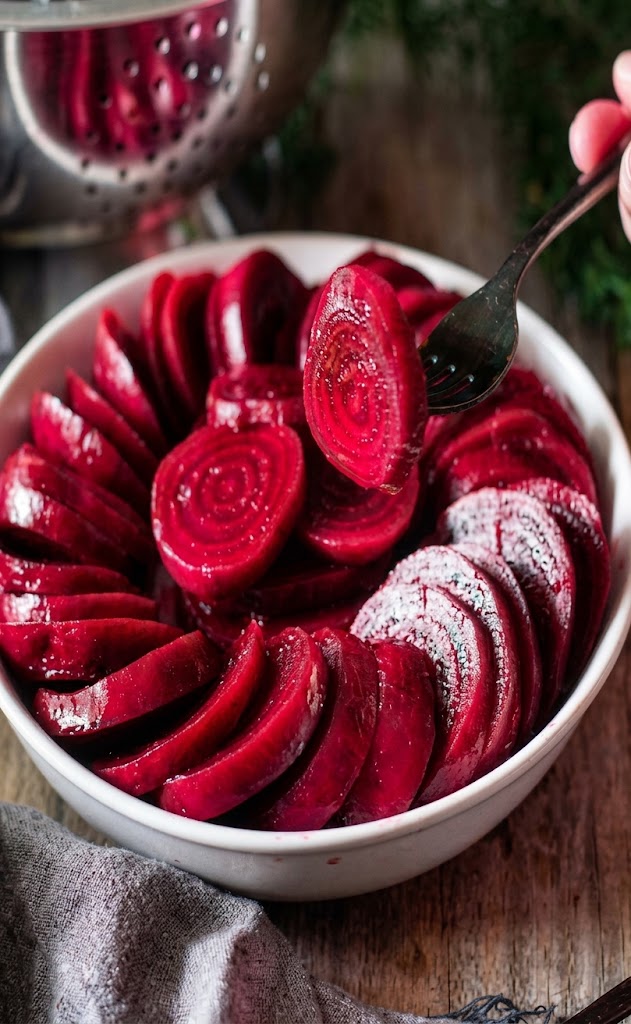
There is a timeless magic in opening a jar of homemade pickled beets. Their vibrant deep-crimson hue, distinct tender-crunchy texture, and perfect balance of sweet and tangy flavors instantly elevate any dinner table. For generations, pickled beets have been a prized staple in farmhouse kitchens, family pantries, and holiday gatherings. Beyond their comforting nostalgia and delicious taste, these colorful root vegetables are nutrient powerhouses packed with essential vitamins, dietary minerals, and antioxidants that support overall vitality.
In an era where processed foods and artificial additives dominate store shelves, returning to traditional food preparation methods offers incredible wellness rewards. Making your own pickled beets allows you to control ingredient quality, adjust sweetness to your personal preference, and eliminate unwanted chemical preservatives. Whether you are an experienced home canner or a beginner looking to explore simple refrigerator pickling, this comprehensive guide covers everything you need to know about preparing, preserving, and enjoying delicious pickled beets while optimizing your health and lifestyle.
The Nutritional Powerhouse: Why Beets Deserve a Place in Your Diet
Beets (Beta vulgaris) are vibrant root vegetables celebrated for centuries across various culinary and medical traditions. Incorporating beets into your regular meal plan provides a concentrated boost of nutrients that promote long-term health and physical performance.
Essential Vitamins and Minerals
Beets are exceptionally rich in key micronutrients required for optimal body function. They serve as an excellent source of folate (Vitamin B9), which plays a pivotal role in cellular growth, DNA synthesis, and red blood cell formation. Additionally, beets contain substantial amounts of Vitamin C, manganese, potassium, and magnesium. Potassium supports healthy fluid balance and muscle contractions, while manganese contributes to bone formation, nutrient metabolism, and brain activity.
Dietary Nitrates and Cardiovascular Health
One of the most remarkable scientific discoveries regarding beets is their high concentration of naturally occurring inorganic nitrates. When consumed, your body converts these nitrates into nitric oxide, a crucial molecule that signals blood vessels to relax and dilate. This process, known as vasodilation, improves blood circulation, lowers systemic blood pressure, and reduces strain on the heart. Maintaining optimal vascular health is fundamental for overall longevity, much like managing personal health insurance or planning long-term financial stability to safeguard your future well-being.
Athletic Performance and Stamina
Due to their nitric oxide-boosting properties, beets have gained massive popularity among professional athletes, runners, and fitness enthusiasts. Enhanced blood flow increases oxygen delivery to working muscles, improving stamina, exercise efficiency, and endurance during high-intensity physical activity. Eating pickled beets or drinking beet juice prior to workouts can help reduce muscle fatigue and accelerate post-exercise recovery.
Ingredients and Equipment for the Perfect Batch
Creating extraordinary pickled beets requires simple, high-quality ingredients and basic kitchen tools. Taking the time to select fresh produce ensures superior flavor, deep color, and crisp texture.
Selecting the Best Beets
-
Size and Texture: Choose small to medium-sized beets (about 2 to 3 inches in diameter). Smaller beets tend to be sweeter, more tender, and less woody than large mature roots.
-
Firmness: Look for smooth, firm skin without cracks, soft spots, or shriveling.
-
Greens: If buying fresh beets with tops attached, look for vibrant, crisp green leaves. Do not discard the greens—they can be cooked like spinach or Swiss chard for an extra nutrient-rich side dish!
Key Ingredients for the Pickling Brine
-
Fresh Whole Beets: Approximately 3 pounds of fresh beets yield roughly 4 to 5 pint jars of pickled beets.
-
Vinegar: Use high-quality vinegar with at least 5% acidity to ensure safe preservation. Distilled white vinegar provides a clean, sharp acidity that showcases the rich beet flavor, while apple cider vinegar offers a smoother, fruity undertone.
-
Water: Filtered or purified water prevents impurities or chlorine from altering the delicate pickling liquid.
-
Sugar: Granulated white sugar balances the natural earthy acidity of the vinegar. You can adjust the quantity depending on whether you prefer a sweet pickling liquid or a tart, savory flavor profile.
-
Pickling Salt: Non-iodized pickling salt or kosher salt is essential. Avoid table salt, as anti-caking agents can make the pickling brine cloudy.
-
Whole Spices: Classic spices include whole cloves, cinnamon sticks, allspice berries, and mustard seeds. Using whole spices prevents the brine from becoming murky.
Step-by-Step Instructions: Classic Homemade Pickled Beets
Follow this straightforward master recipe to cook, slice, and pickle your beets to perfection.
Step 1: Preparing and Cooking the Beets
-
Wash Thoroughly: Gently scrub the beets under cool running water to remove any lingering soil or debris. Be careful not to break the skin.
-
Trim Correctly: Leave the roots intact and leave about 1 to 2 inches of the stem attached. Keeping the skin and stems on during boiling prevents the beets from losing their rich juice and vibrant color in the cooking water.
-
Boil Until Tender: Place the beets in a large stockpot and cover them with water. Bring to a boil over medium-high heat, then lower the heat, cover, and simmer for 25 to 40 minutes, depending on size, until they can be easily pierced with a fork.
-
Cool and Peel: Drain the hot water and transfer the cooked beets into an ice bath. Once cool enough to handle, use your fingers or a paper towel to slip the skins off effortlessly. Trim away the stem ends and taproots.
Step 2: Slicing the Beets
Slice the peeled beets into 1/4-inch thick rounds or cut them into uniform bite-sized wedges. For an appealing classic visual touch, use a crinkle cutter to create wavy edges that hold onto the delicious spiced pickling brine.
Step 3: Preparing the Spiced Pickling Brine
In a non-reactive stainless steel saucepan, combine:
-
2 cups of distilled white vinegar (or apple cider vinegar)
-
2 cups of filtered water
-
1 cup of granulated sugar (adjust to taste)
-
1 tablespoon of pickling salt
-
1 teaspoon of whole cloves
-
1 cinnamon stick (broken in half)
-
1/2 teaspoon of whole allspice berries
Bring the brine mixture to a rolling boil over medium-high heat, stirring until the sugar and salt dissolve completely. Reduce heat and simmer gently for 5 minutes to infuse the aromatic spices into the liquid.
Step 4: Jarring and Pickling
-
Pack the Jars: Pack the sliced beets tightly into clean, warm glass canning jars, leaving 1/2 inch of headspace at the top.
-
Pour the Hot Brine: Carefully ladle the hot pickling brine over the beets, ensuring all slices are fully submerged. Discard or strain out whole spices if you prefer a clearer look, or leave a few cloves and cinnamon pieces in each jar for enhanced flavor over time.
-
Remove Air Bubbles: Slide a non-metallic utensil around the inner rim of the jar to release trapped air bubbles. Adjust headspace if needed.
-
Wipe and Seal: Wipe the rims clean with a moist paper towel, place sterilized lids on top, and screw the metal bands on until fingertip tight.
Refrigerator Method vs. Water Bath Canning Method
Depending on your timeline, storage space, and preservation goals, you can choose between two primary methods to store your pickled beets.
Method A: Quick Refrigerator Pickled Beets
If you prefer a fast, hassle-free recipe without long-term canning processes, the quick refrigerator method is ideal:
-
Allow the filled jars to cool completely at room temperature.
-
Place the sealed jars directly into the refrigerator.
-
Let the beets marinate in the cold brine for at least 24 to 48 hours before eating to allow the flavors to penetrate deeply.
-
Storage Life: Refrigerator pickled beets remain crisp and fresh for up to 3 to 4 weeks when kept properly chilled.
Method B: Boiling Water Bath Canning for Shelf Stability
For long-term pantry storage that lasts up to 12 months, process your jars in a boiling water bath:
-
Lower filled, sealed jars into a deep canning pot filled with boiling water, ensuring jars are covered by at least 1 to 2 inches of water.
-
Process pint jars for 30 minutes (adjust for altitude if necessary).
-
Carefully remove jars with a jar lifter and place them on a towel-lined countertop to cool undisturbed for 24 hours.
-
Check seals: press down on the center of each lid. If the lid does not flex or pop, it is securely sealed! Store in a cool, dark pantry.
Creative Culinary Ways to Enjoy Pickled Beets
While pickled beets make a fantastic standalone snack or simple side dish, their sweet and tangy flavor pairs exceptionally well with a variety of gourmet dishes.
Vibrant Salads
Combine sliced pickled beets with peppery arugula, crumbled goat cheese or feta, toasted walnuts, and a light balsamic vinaigrette. The creamy, rich cheese cuts through the sharp acidity of the beets, creating a sophisticated salad packed with textures.
Charcuterie and Cheese Boards
Add a small bowl of crimson pickled beets alongside aged cheeses, cured meats, artisan crackers, and Dijon mustard. Their brightness cleanses the palate between rich bites of meat and cheese.
Sandwiches and Burgers
Top roasted turkey sandwiches, veggie burgers, or grilled chicken sliders with thin slices of pickled beet to add a refreshing crunch and tangy flavor contrast.
Practical Tips for Pickling Success
-
Wear Gloves: Beet juice stains skin, countertops, and wooden cutting boards easily. Wearing food-safe disposable gloves during peeling and slicing keeps your hands stain-free.
-
Use Non-Reactive Cookware: Always use stainless steel, enamel, or glass pots when heating vinegar solutions. Reactive metals like aluminum or copper can react with acid, imparting a metallic taste to your beets.
-
Experiment with Flavor Profiles: Feel free to customize your brine! Add sliced red onions, fresh dill sprigs, mustard seeds, or sliced jalapenos for a spicy twist.
Fascinating Facts About Beets and Pickling
-
Ancient Beginnings: Ancient Greeks and Romans cultivated beets initially for their leaves rather than their roots, using them for both medicinal remedies and culinary dishes.
-
Natural Food Coloring: The intense red color of beets comes from natural pigments called betalains. These pigments are frequently extracted for commercial use as natural red dye in smoothies, ice creams, and baked goods.
-
Astronaut Nutrition: In 1975, during the historic Apollo-Soyuz Test Project, Soviet cosmonauts served beet soup (Borscht) in squeeze tubes to American astronauts during space missions!
Conclusion
Making classic pickled beets is a rewarding, delicious home tradition that blends mouthwatering flavor with exceptional health benefits. Whether you choose a simple refrigerator recipe or preserve a batch in glass jars for year-round pantry convenience, these ruby-red gems add color, crisp texture, and vital nutrients to your daily meals. Gather your ingredients, prepare your kitchen, and experience the rich taste of authentic homemade pickling today!
FAQ Section
How long should I wait before eating homemade pickled beets?
While you can eat them right away, it is best to wait at least 24 to 48 hours for refrigerator pickled beets, or 1 to 2 weeks for canned beets, so the flavors fully develop throughout the beet slices.
Why are my pickled beets soft instead of crunchy?
Soft pickled beets are usually the result of overcooking them during the initial boiling phase. Be sure to cook them just until fork-tender, and plunge them immediately into an ice water bath to stop the cooking process.
Can I reduce the amount of sugar in the pickling brine?
Yes! Sugar in pickling brine mainly serves to balance the tart flavor of the vinegar rather than preserve the vegetable. You can reduce or adjust the sugar level according to your personal taste preferences.
Do I need to peel beets before pickling them?
Yes, beet skins are tough and fibrous. Boiling the beets whole with their skins on makes it extremely easy to slip the skins off cleanly before slicing and pickling.
