
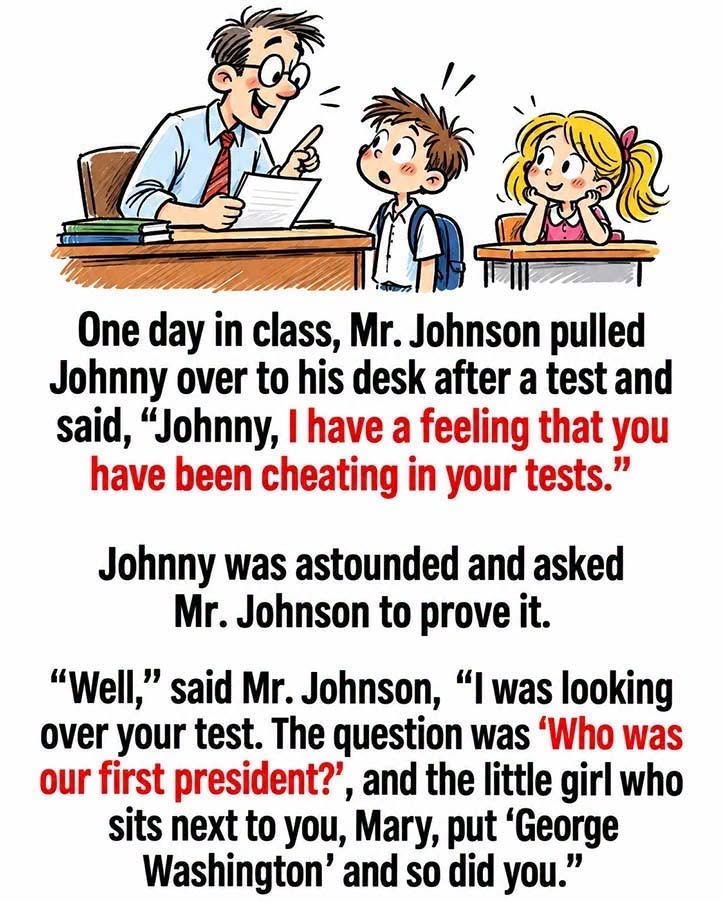
Education is the cornerstone of personal development, career advancement, and societal progress. Within classrooms worldwide, teachers and students work together to build knowledge, critical thinking skills, and academic discipline. However, academic settings also encounter challenges, ranging from allegations of cheating and academic dishonesty to disputes over grading fairness and disciplinary procedures. When conflicts arise between educators and students regarding academic integrity, navigating the situation requires a balanced understanding of institutional policies, educational law, and student psychology.
Beyond the immediate classroom environment, education intersects with broader legal, financial, and technological frameworks. From school district liability and attorney consultations to education investments and student health, academic success depends on supportive systems. This comprehensive article explores academic integrity, the laws governing student discipline, methods for resolving classroom disputes, and the importance of fostering a positive learning environment.
The Importance of Academic Integrity in Schools
Academic integrity refers to the commitment to honesty, trust, fairness, respect, and responsibility in all academic endeavors. Upholding these values ensures that grades and academic credentials accurately reflect a student’s true understanding and mastery of a subject.
Understanding Academic Dishonesty
Academic dishonesty can take many forms, including plagiarism, unauthorized collaboration, falsifying data, and cheating during examinations. When an educator suspects a student of cheating, standard educational protocols typically require:
-
Gathering Evidence: Documenting specific irregularities, such as identical incorrect answers, matching phrasing, or seating arrangements during tests.
-
Private Discussion: Addressing the student in a private, respectful setting to discuss the observation and allow the student to explain their work.
-
Fair Evaluation: Reviewing whether similarities stem from independent study of the same curriculum or actual unauthorized assistance.
Psychological Impact on Students
False accusations or mishandled cheating allegations can cause significant stress, anxiety, and a loss of trust in educators. Fostering a supportive school culture requires transparent communication, objective evaluation, and constructive guidance rather than immediate punitive measures.
Legal and Administrative Frameworks in Education
Educational institutions operate under strict legal and administrative guidelines designed to protect both the school’s standards and the student’s due process rights.
       +-------------------------------------------------------+
       |             ACADEMIC INTEGRITY DISPUTE                |
       +-------------------------------------------------------+
                                   |
         +-------------------------+-------------------------+
         |                                                   |
         v                                                   v
+------------------+                               +------------------+
| Administrative   |                               | Legal & Policy   |
+------------------+                               +------------------+
| • Teacher Review |                               | • Due Process    |
| • Parent Meeting |                               | • School Bylaws  |
| • Student Defense|                               | • Attorney Consul|
+------------------+                               +------------------+
Student Due Process Rights
When disciplinary actions or academic penalties are imposed, students—particularly in public educational institutions—are entitled to due process. This includes:
-
Right to Notice: Being informed of the specific allegations or academic violations being reviewed.
-
Right to Be Heard: An opportunity to present one’s side of the story and provide context or evidence.
-
Impartial Review: Ensuring that complaints are evaluated fairly by administrators rather than based on subjective assumptions.
Legal Services and Education Law
In complex disputes involving major academic penalties or disciplinary hearings, families may consult education attorneys or legal services. Legal professionals specializing in education law help ensure that school boards adhere to established codes of conduct and protect student rights.
Financial Planning, Education Investments, and Long-Term Success
Investing in a quality education requires careful financial planning. From primary schooling to higher education and specialized training programs, families dedicate significant financial resources to secure bright futures for their children.
Budgeting for Educational Expenses
Managing educational investments involves several key financial strategies:
| Financial Strategy | Description | Purpose |
| Education Savings Accounts | Dedicated tax-advantaged accounts (e.g., 529 plans). | Accumulates funds for future tuition and school-related expenses. |
| Tutoring and Support Budgets | Allocating funds for academic enrichment or remediation. | Helps students overcome learning hurdles before conflicts arise. |
| Insurance Protections | Health and disability insurance policies covering family stability. | Ensures unforeseen life events do not disrupt educational continuity. |
Practical Tips for Resolving Classroom Misunderstandings
Clear communication and proactive problem-solving can resolve many classroom disputes before they escalate:
-
Maintain Open Dialogue: Encourage students to communicate openly with teachers whenever they feel misunderstood or face academic challenges.
-
Schedule Parent-Teacher Conferences: Address grading concerns or behavioral misunderstandings calmly in a scheduled meeting.
-
Review Curriculum Standards: Ensure assignments are designed to test individual comprehension while minimizing ambiguous testing conditions.
-
Promote Peer Accountability: Foster a classroom culture where collaboration is encouraged within ethical bounds, distinguishing between teamwork and unauthorized copying.
Interesting Facts About Education and Testing
-
Origins of Standardized Testing: Standardized tests have roots stretching back centuries, evolving to measure large-scale educational achievement and institutional effectiveness.
-
Cognitive Memory in Classrooms: Psychological studies show that students sitting near one another often arrive at similar conclusions when taught by the same instructor using identical instructional materials.
-
Growth of Educational Technology: Modern digital learning platforms utilize advanced analytics to help educators track individual student progress and prevent testing irregularities.
Conclusion
Academic environments are dynamic spaces where learning, growth, and occasional misunderstandings intersect. Whether addressing allegations of academic integrity, navigating school policies, or investing in long-term educational success, maintaining fairness, empathy, and open communication is essential. By relying on established educational standards, due process, and strong home-school partnerships, we can ensure that every student thrives academically and personally.
Frequently Asked Questions (FAQ)
1. What should a student do if falsely accused of cheating?
A student should remain calm, request a private discussion with the teacher, explain their independent thought process or study methods, and involve parents or school administrators if further clarification is needed.
2. Can identical answers on a test prove cheating?
While matching answers can raise suspicion, they do not automatically prove cheating, as students covering the same curriculum often arrive at standard correct answers independently.
3. What rights do students have during disciplinary reviews?
Students are generally entitled to due process, which includes receiving notice of the allegations, an opportunity to explain their perspective, and a fair review by school administration.
4. How can parents support academic integrity at home?
Parents can encourage honest study habits, help students manage test anxiety, maintain regular communication with teachers, and focus on genuine learning rather than just grades.
