
Leaving home for a long vacation or an extended trip is an exciting milestone, but preparing your house before stepping out the door can feel overwhelming. From setting security alarms and adjusting thermostats to turning off main water valves, homeowners take numerous precautions to ensure their property remains safe, clean, and dry while away.
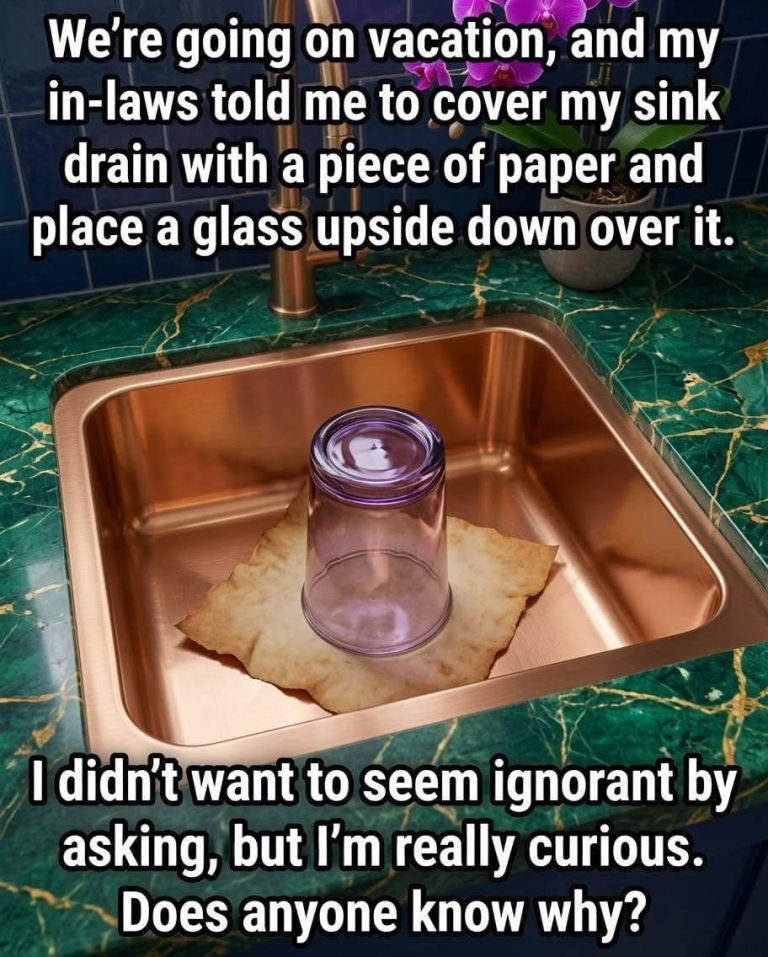
Among traditional home maintenance wisdom, a curious vacation prep hack frequently resurfaces on social media and internet forums: covering sink drains with a paper towel or paper piece and placing an upside-down glass over top.
While this simple setup might look like an odd superstition or a bizarre home experiment, plumbing experts and experienced homeowners know that it serves very real, practical functions. Placing a physical barrier over plumbing drains prevents foul sewer gas odors, stops crawling pests from invading your home, and detects hidden plumbing leaks while you are away.
In this comprehensive guide, we will explore the plumbing science behind covering sink drains before vacation, examine pest prevention techniques, review vacation home protection strategies, and discuss the broader financial, insurance, and legal considerations involved in residential property management.
1. The Primary Reason: Preventing Sewer Gas Odors (The Dried P-Trap Phenomenon)
The primary reason to cover your sink drains before going on an extended vacation comes down to basic plumbing mechanics and water evaporation.
How P-Traps Function
Beneath every sink, shower, and floor drain in your home is a U-shaped pipe section known as a P-trap (or sink trap).
-
The Water Seal Barrier: Under normal daily use, running tap water fills the curved bottom of the U-pipe, forming a standing water seal.
-
Blocking Dangerous Gases: This standing water barrier blocks sewer gases—such as hydrogen sulfide, methane, and ammonia—from rising out of municipal sewer lines or septic systems up into your living spaces.
What Happens During Long Vacations?
When a house sits empty for weeks or months during a vacation, no new water flows through the sink drains.
-
Evaporation: Warm indoor air, dry climates, or running air conditioning units cause the standing water inside the P-trap to gradually evaporate.
-
Broken Seal: Once the water level in the P-trap drops too low, the protective air seal breaks open, allowing unpleasant, toxic sewer odors to escape freely into your kitchen, bathroom, and home environment.
How the Paper and Upside-Down Glass Prevents Evaporation
Covering the drain opening with a paper towel, parchment paper, or rubber stopper and weighing it down with an inverted heavy glass creates a tight seal. This barrier traps ambient humidity inside the drain pipe, drastically slowing down water evaporation from the P-trap and ensuring your home smells fresh when you return!
2. Preventing Pest Invasions: Stopping Cockroaches and Drain Flies
Plumbing drain pipes connect directly to municipal sewer networks, subterranean drainage channels, and septic systems—environments where nocturnal pests naturally thrive.
Drain Ingress by Pests
When sinks are used daily, running water and soap foam continuously flush away organic debris while creating a physical water obstacle that deters crawling insects. However, when drains sit dry and undisturbed for days:
-
Cockroaches and Palmetto Bugs: Cockroaches can easily crawl up empty drainage pipes, squeeze past dry P-traps, and enter empty homes through uncovered sink basin strainers.
-
Drain Flies (Psychodidae): Female drain flies lay eggs in organic slime and stagnant moisture inside unused pipes. Uncovered drains allow adult flies to emerge into living areas in large swarms.
Placing a paper barrier weighted down by an inverted glass physically seals off the pipe opening, blocking insects from crawling into your living spaces while you are away.
3. Detecting Hidden Faucet Leaks and Drips
Another clever advantage of the paper towel and upside-down glass trick is its ability to act as an early indicator for slow plumbing leaks.
-
Catching Slow Drips: Before heading out the door, placing a dry piece of paper towel directly under the faucet spout and covering it with an inverted glass acts as a visual leak detector.
-
Identifying Water Waste: If a faucet valve has a slow internal seal failure, water will drip continuously onto the paper. When you return home, a soggy paper towel or accumulated water inside the glass instantly alerts you to a hidden faucet leak, allowing you to repair worn washers before water bills spike or basin overflows occur.
Financial, Insurance, and Legal Aspects of Vacation Home Safety
Preparing your residential property before leaving on vacation connects directly to homeowners insurance policies, financial budgeting, and personal legal planning.
Homeowners Insurance and Vacancy Clauses
Protecting your home against water damage while traveling requires understanding insurance policy obligations:
-
The Unoccupied / Vacancy Exclusion: Many standard homeowners insurance policies include specific “vacation clauses” or “unoccupied property exclusions”. If a home sits unmonitored for extended periods (typically 14 to 30 consecutive days) and suffers catastrophic water damage from a burst pipe or overflowing fixture, insurance companies may deny or reduce claims if reasonable precautions were not taken.
-
Main Shut-Off Valves: Insurance risk adjusters strongly recommend turning off the main household water supply valve before leaving on long trips, alongside draining excess pressure from faucets.
Financial Planning for Preventative Home Maintenance
Taking simple, low-cost steps to protect your plumbing infrastructure avoids expensive emergency plumbing callouts, mold remediation services, or property repairs upon your return.
Legal Directives and Estate Planning Readiness
Including property management instructions and legal authorizations in family estate plans guarantees total peace of mind:
-
Property Access Agreements: Authorizes a trusted neighbor, family member, or property manager to conduct weekly walk-throughs during long absences.
-
Financial Power of Attorney: Authorizes a designated representative to manage emergency home repairs, utility bills, and insurance claims if severe property damage occurs while traveling.
-
Wills and Living Trusts: Guarantees that family real estate assets remain protected and managed seamlessly.
Practical Tips for Preparing Your Home Before Vacation
Incorporate these essential home prep steps alongside covering your sink drains to ensure a safe, worry-free vacation:
-
Pour Mineral Oil Down Drains: Before covering sink or floor drains, pour 2 to 3 tablespoons of food-grade mineral oil down each drain. Mineral oil floats on top of standing P-trap water, forming an airtight layer that completely stops water evaporation for months!
-
Shut Off Main Water Supply: Locate your home’s main water shut-off valve and turn it off before leaving on long trips to eliminate burst pipe risks.
-
Clean Garbage Disposals: Run your kitchen garbage disposal with fresh ice cubes and citrus peels, followed by a thorough flush with cold water, to remove decaying food particles before leaving.
-
Unplug Non-Essential Electronics: Disconnect small appliances, televisions, and computers to protect against power surges and eliminate “vampire” energy consumption.
Fascinating Historical Facts About Modern Plumbing
-
The Ancient Roman Cloaca Maxima: Ancient Rome built one of the world’s earliest major sewer systems—the Cloaca Maxima—in the 6th century BCE, though early homes lacked P-traps, leaving living spaces exposed to intense sewer odors!
-
The Invention of the S-Trap: The precursor to the modern P-trap was invented in 1775 by Scottish clockmaker and engineer Alexander Cumming, who patented the S-trap design to trap water and prevent sewer gas backflow in early flush toilets.
-
Modern Plumbing Standards: Uniform plumbing codes mandate P-traps on every household fixture, protecting public health by preventing airborne disease transmission through municipal sewer gas lines.
Conclusion
Covering your sink drain with a piece of paper and an upside-down glass is far more than an old wives’ tale—it is a practical, effective home maintenance hack! By preventing P-trap water evaporation, blocking sewer gas odors, deterring crawling pests, and detecting hidden faucet drips, this simple trick keeps your home clean, fresh, and protected while you enjoy your vacation.
Combining smart daily household tips, proactive vacation planning, adequate homeowners insurance, and essential legal estate directives guarantees complete peace of mind whenever you step away from home.
Frequently Asked Questions (FAQ)
Why do my in-laws cover sink drains before going on vacation?
Covering sink drains prevents standing water in the lower P-trap pipe from evaporating. Keeping water in the trap blocks foul sewer gas odors and crawling insects from entering your home through dry pipes while you are away.
What is a P-trap, and why is it important?
A P-trap is the U-shaped pipe beneath sinks and plumbing fixtures that holds standing water to create a seal, preventing toxic sewer gases from flowing up into your home.
Can cockroaches come up through dry sink drains?
Yes! Cockroaches and palmetto bugs can easily crawl through empty municipal drainage pipes and enter homes through dry, uncovered sink strainers when P-traps dry out.
Is it better to turn off the main water valve before vacation?
Yes. Turning off the main water supply valve before extended trips is the single most effective way to prevent catastrophic home flooding caused by burst supply hoses or failed appliance valves.
How can I stop drain water from evaporating during long absences?
In addition to covering drains with a stopper or glass, pouring 2 to 3 tablespoons of food-grade mineral oil down each drain creates an airtight surface barrier that stops water evaporation completely for several months!
