
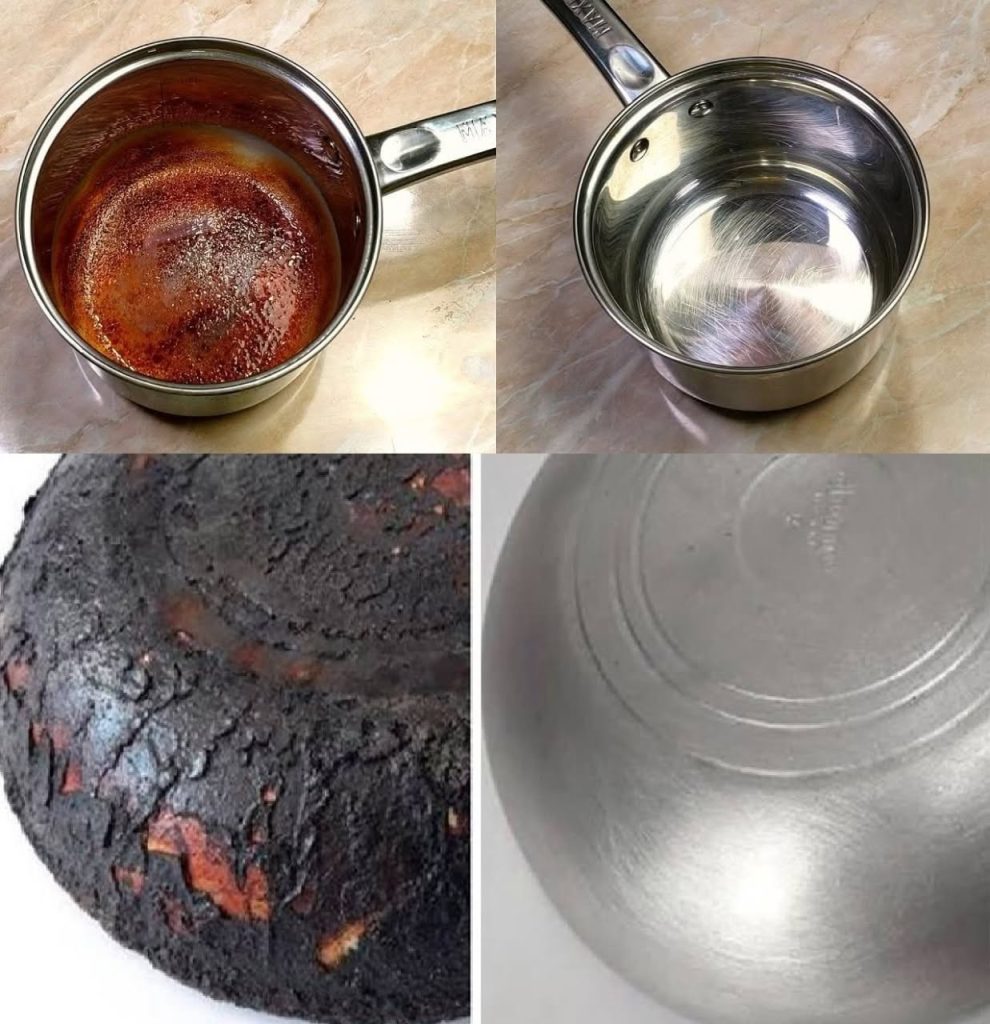
Accidentally scorching a stainless steel pot or pan is a common kitchen mishap. Whether it happens during a momentary distraction, a forgotten simmering sauce, or a dry boil, the result is often intimidating: a thick, blackened layer of carbonized grease and food residue baked firmly onto the interior and exterior surfaces of your cookware.
When faced with severe burnt marks, many people assume the pot is ruined beyond repair or resort to hours of exhausting physical scrubbing using aggressive steel wool, which can permanently scratch delicate cookware finishes. However, understanding the chemical reaction between household cleaning agents and burnt carbonized grease makes restoring stainless steel surprisingly easy.
In this comprehensive guide, we will reveal the most effective, chemical-free methods for cleaning severely burnt stainless steel pots and pans, explain the science behind carbon breakdown, share preventative maintenance tips, and review how proper cookware care connects to kitchen safety, insurance protection, and home management.
The Science Behind Burnt Pots: Why Food Sticking Happens
When food burns on high heat, proteins, sugars, and fats undergo extreme thermal degradation, transforming into a hardened matrix of carbonized matter.
-
Thermal Polymerization: Cooking oils exposed to high temperatures polymerize, turning into a tough, varnish-like coating that binds strongly to metal pores.
-
Microscopic Pores in Stainless Steel: Although stainless steel appears smooth to the naked eye, its surface contains microscopic pores and ridges. Under high heat, metal expands, locking burnt carbon molecules deep into the surface structure.
To break this bond without scratching the pot, you need cleaning solutions that penetrate the carbonized layer, loosen grease, and lift food particles chemically.
3 Proven Methods to Clean Severely Burnt Stainless Steel
These three eco-friendly, highly effective cleaning hacks utilize basic kitchen ingredients to restore scorched cookware to a spotless shine:
Method 1: The Baking Soda and Vinegar Boiling Method
This classic chemical reaction leverages the effervescent cleaning power of sodium bicarbonate and acetic acid.
-
Add Equal Parts Water and Vinegar: Fill the burnt pot with enough water to submerge the scorched bottom, then add 1 cup of white distilled vinegar.
-
Bring to a Boil: Place the pot on the stove and bring the water-vinegar mixture to a rolling boil for 5 minutes. The acidic vinegar helps soften the burnt carbonized layer.
-
Add Baking Soda: Remove the pot from heat and add 2 tablespoons of baking soda. The mixture will fizz dynamically, loosening carbon particles from the metal surface.
-
Scrub Gently: Allow the liquid to cool, pour out the fluid, and scrub the interior with a non-scratch sponge or dish brush. The burnt residue will lift away effortlessly!
Method 2: The Baking Soda and Dish Soap Paste Method (Best for Outer Bottoms)
For heavy black carbon buildup on the exterior bottom of pots and pans, a thick abrasive paste works best.
-
Make a Paste: In a small bowl, combine $1/2$ cup of baking soda with 2 tablespoons of liquid dish soap and a splash of warm water until a thick, spreadable paste forms.
-
Apply Generously: Coat the burnt bottom of the pot with a thick layer of the paste.
-
Let It Sit: Allow the paste to rest on the burnt surface for at least 30 to 60 minutes (or overnight for extreme carbon buildup).
-
Scrub with a Non-Scratch Pad: Use a coarse nylon scrubbing pad or a crumpled piece of aluminum foil with gentle circular motions to scrub away loosened carbon layers before rinsing with warm water.
Method 3: The Hydrogen Peroxide and Baking Soda Soak
For stubborn, discolored scorch marks that resist vinegar, hydrogen peroxide acts as a powerful oxidizer.
-
Cover the Scorched Area: Sprinkle a generous layer of baking soda directly over the burnt spots inside the pot.
-
Add Hydrogen Peroxide: Pour enough 3% hydrogen peroxide over the baking soda to submerge the powder completely.
-
Heat Gently: Place the pot on low heat until the liquid warms up and bubbles gently for 10 minutes.
-
Wipe Clean: Turn off the heat, let it cool safely, and wipe away remaining stains using a damp microfiber cloth.
What NOT to Use on Stainless Steel Cookware
To protect your cookware investment and preserve its reflective finish, avoid these common mistakes:
-
Avoid Chlorine Bleach: Chlorine bleach chemically attacks stainless steel, causing permanent pitting, corrosion, and discoloration of the protective chromium oxide layer.
-
Limit Heavy Steel Wool: While stainless steel is durable, aggressive steel wool or metal wire pads leave deep microscopic scratches that trap future food particles, making pots harder to clean later.
-
Never Plunge Hot Pans into Cold Water: Subjecting a red-hot pan to cold tap water causes thermal shock, which can permanently warp flat pan bottoms and destroy heat distribution efficiency.
Fire Safety, Insurance, and Property Protection
Unattended cooking remains one of the primary causes of residential fires worldwide. Understanding how kitchen safety connects to property protection keeps your home and family secure.
Preventing Unattended Cooking Fires
Leaving pots on active stove burners without supervision leads to dry boiling, heavy smoke production, toxic fumes, and potential grease fires.
-
Stay in the Kitchen: Always remain in the kitchen when frying, boiling, or searing food at high temperatures.
-
Use Kitchen Timers: Set loud digital timers for long-simmering dishes or broiling tasks to prevent accidental forgetfulness.
Homeowners Insurance and Kitchen Hazards
In the event that an unattended burnt pot leads to active flame or smoke damage, understanding insurance protections is essential:
-
Property Insurance Coverage: Standard homeowners and renter insurance policies provide coverage for accidental fires and smoke remediation, subject to policy terms and deductibles.
-
Maintaining Safety Equipment: Keeping a functional kitchen fire extinguisher, maintaining working smoke detectors, and practicing safe cooking habits demonstrates reasonable care, ensuring smooth claims handling.
Legal Directives and Estate Planning Readiness
Including property safety and home maintenance protocols in estate planning supports family stability:
-
Home Safety Inspections: Ensuring senior family members live in homes equipped with automatic stove shut-off devices and working smoke alarms.
-
Power of Attorney: Authorizing trusted representatives to handle property repairs and insurance matters during unexpected medical events.
Practical Tips for Keeping Stainless Steel Shiny and Clean
-
Preheat Pans Properly: Preheat your stainless steel pan on medium heat before adding oil or food to create a natural non-stick effect (Leidenfrost effect).
-
Salt Water After Boiling: Always add salt to water after it reaches a boil. Adding salt to cold water causes “salt pitting”—tiny permanent white dots on the steel bottom.
-
Use Bar Keepers Friend: Keep a container of oxalic acid-based cleanser (such as Bar Keepers Friend) on hand for quick removal of mineral deposits, water spots, and heat tint.
Fascinating Historical Facts About Stainless Steel
-
The Invention of Stainless Steel: English metallurgist Harry Brearley discovered stainless steel in 1913 while searching for a corrosion-resistant alloy for gun barrels, noticing that adding chromium to steel prevented rusting!
-
The Protective Chromium Film: Stainless steel doesn’t rust because the chromium within the alloy reacts with atmospheric oxygen to form an invisible, self-healing chromium oxide layer on the metal surface.
-
The 18/10 Rule: High-quality cookware is often labeled “18/10 stainless steel,” meaning it contains 18% chromium (for rust resistance) and 10% nickel (for shine and durability).
Conclusion
A severely burnt stainless steel pot or pan does not belong in the trash! By leveraging simple, eco-friendly household ingredients like baking soda, vinegar, and hydrogen peroxide, you can chemically dissolve stubborn carbonized grease and restore your cookware to a mirror-like shine without exhausting scrubbing or harsh chemicals.
Combining smart cooking safety practices, proper cookware maintenance, adequate homeowners insurance, and sound family legal planning guarantees a safe, efficient, and well-protected home environment.
Frequently Asked Questions (FAQ)
Can a severely burnt stainless steel pot really be restored?
Yes! As long as the metal frame is not warped or structurally damaged by extreme thermal shock, even thick black carbon crusts can be completely dissolved using baking soda and vinegar boiling methods.
Why does baking soda and vinegar clean burnt pans so effectively?
Vinegar is acidic, which helps break down tough food starches and fats, while baking soda is mildly basic and abrasive. Their effervescent reaction loosens carbonized particles from metal pores.
Is Bar Keepers Friend safe for stainless steel cookware?
Yes! Bar Keepers Friend contains oxalic acid, which chemically dissolves mineral buildup, burnt grease, and heat discoloration without scratching high-grade stainless steel.
How do I remove heat tint (rainbow stains) from stainless steel?
Rainbow discoloration on stainless steel is caused by high heat thickening the chromium oxide layer. Wipe the pan with a soft sponge soaked in plain white vinegar to instantly restore its bright silver finish.
What is the fastest way to clean the black bottom exterior of a pan?
Apply a thick paste of baking soda, dish soap, and a splash of hydrogen peroxide over the bottom exterior, cover it with plastic wrap to retain moisture, and let it sit for 1 hour before scrubbing with a non-scratch nylon sponge.
