
Autism Spectrum Disorder (ASD) is a complex neurodevelopmental condition that affects millions of individuals and families worldwide. Characterized by unique patterns of social communication, sensory processing, and behavioral traits, autism exists on a broad spectrum with diverse strengths and challenges.
For decades, medical researchers, neuroscientists, and geneticists have worked to understand the underlying causes of autism. Recent scientific breakthroughs—combining advanced genomic sequencing, prenatal imaging, and brain tissue analysis—are shedding unprecedented light on how neurodevelopmental differences originate during early fetal development.
While viral headlines often attempt to simplify autism down to a single cause, consensus across medical science demonstrates that autism is a complex, neurodiverse trait driven primarily by a combination of genetic factors, biological pathways, and prenatal environmental influences.
In this comprehensive scientific and healthcare guide, we will analyze the latest neurobiological research surrounding autism, examine early fetal brain development, review diagnostic advances, and explore the broader financial, health insurance, and legal protections essential for developmental healthcare management.
1. What the Research Shows: Genetic and Prenatal Foundations
Scientific research confirms that autism is primarily neurobiological, originating long before birth during early embryonic and fetal brain formation.
The Role of Genetics
Genetics plays the most substantial role in autism spectrum development:
-
Hereditary and De Novo Mutations: Studies involving twins and families indicate that genetics accounts for 70% to 90% of autism susceptibility. Researchers have identified over 100 specific genes linked to synaptic connectivity, neural wiring, and gene expression in the brain.
-
Polygenic Traits: For most individuals, autism is not caused by a single mutated gene, but rather by complex combinations of common and rare genetic variants working in harmony.
Prenatal Brain Development and Cortical Wiring
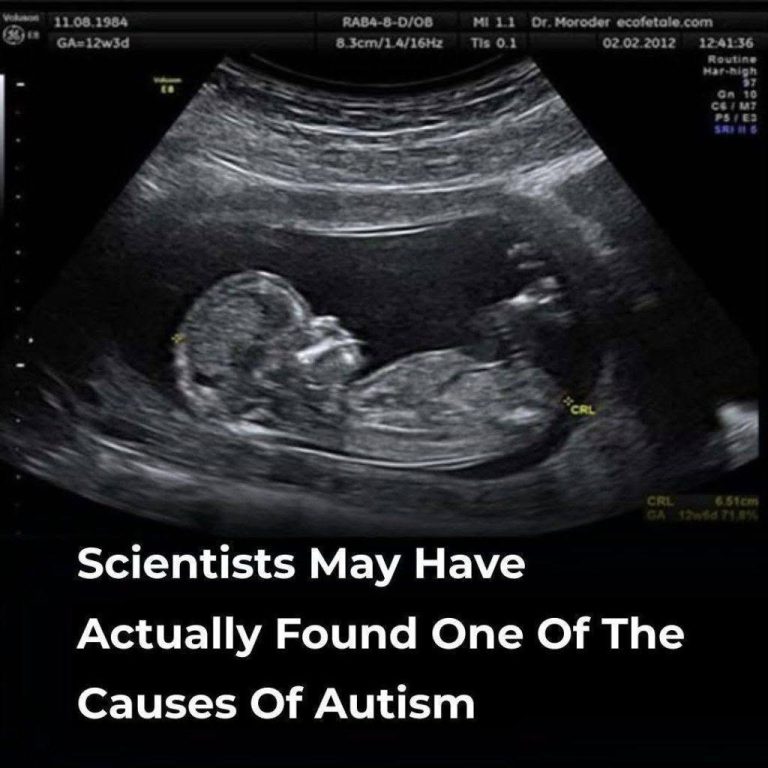
Advanced ultrasound imaging (such as the 12-week prenatal scan pictured) and post-mortem fetal brain tissue studies have revealed that early structural neural differences begin in the womb:
-
Disrupted Cortical Layering: Neuroscientists have identified localized patches of altered cellular architecture in the cerebral cortex—the brain region responsible for processing social cues, language, and sensory integration.
-
Synaptic Pruning and Overgrowth: In autistic brain development, early childhood neural connections often experience accelerated growth followed by altered “synaptic pruning” (the natural process where the brain trims away excess connections), leading to hyper-connected local neural networks.
2. Environmental and Biological Co-Factors
Alongside strong genetic foundations, researchers have identified several non-genetic maternal and environmental factors that interact with biological susceptibility during pregnancy:
-
Advanced Parental Age: Children born to older mothers or fathers have a slightly higher likelihood of neurodevelopmental variations due to cumulative genetic changes in germ cells over time.
-
Prenatal Immune System Activation: Severe maternal infections or autoimmune events during pregnancy can release inflammatory cytokines that cross the placenta, subtly influencing fetal brain development.
-
Maternal Metabolic Factors: Conditions such as unmanaged gestational diabetes, hypertension, or severe nutritional deficiencies during embryonic brain development have been noted as minor biological co-factors.
-
Debunking Myths: Rigorous, large-scale global medical studies involving millions of children have repeatedly disproven outdated claims linking vaccines or childhood immunizations to autism.
3. Early Diagnosis and Early Intervention Supports
Understanding the biological origins of autism has dramatically improved early diagnostic tools and support frameworks:
Recognizing Early Developmental Markers
Pediatricians utilize standardized screening tools during 18-month and 24-month developmental checkups to evaluate:
-
Social Engagement: Eye contact, shared attention (pointing to show interest), and responding to name calls.
-
Communication Patterns: Gestures, speech development, and vocal turn-taking.
-
Sensory Sensitivities: Unique responses to sounds, textures, lighting, or repetitive movement patterns (stimming).
Evidence-Based Support Therapies
Early identification allows families to access supportive therapies that foster independence, communication, and emotional well-being:
-
Speech and Language Therapy: Enhances expressive communication, alternative augmentative communication (AAC) devices, and social interaction skills.
-
Occupational Therapy (OT): Helps autistic individuals process sensory inputs, improve fine motor coordination, and build daily living skills.
-
Neurodiversity-Affirming Practices: Modern clinical approaches prioritize supporting the autistic individual’s unique strengths and autonomy rather than forcing artificial behavioral masking.
Financial, Health Insurance, and Legal Aspects of Developmental Healthcare
Navigating developmental evaluations, long-term therapeutic support, and neurodiversity advocacy connects directly to health insurance coverage, financial planning, and legal protections.
Health Insurance and Diagnostic Coverage
Accessing comprehensive medical and therapeutic care for developmental conditions involves understanding insurance rights:
-
Mandated Autism Benefits: In many jurisdictions, state and federal healthcare laws require commercial health insurance plans to cover diagnostic evaluations, speech therapy, occupational therapy, and behavioral interventions.
-
Medicaid and Early Intervention Programs: Government-funded early intervention programs provide low-cost or free developmental screenings and early childhood therapies for eligible families.
Financial Planning and Special Needs Trusts
Families supporting neurodivergent family members often require specialized long-term financial strategies:
-
Special Needs Trusts (SNT): Establishing a Special Needs Trust allows parents and relatives to dedicate financial assets for an individual’s long-term care, housing, and personal needs without disqualifying them from essential government assistance programs (like SSI or Medicaid).
-
ABLE Accounts: Tax-advantaged savings accounts (Achieving a Better Life Experience) allow individuals with disabilities to save money for qualified disability-related expenses.
Legal Protections and Educational Rights
Legal frameworks safeguard educational equity and personal autonomy for neurodivergent individuals:
-
Individuals with Disabilities Education Act (IDEA): Guarantees children access to free, appropriate public education through personalized Individualized Education Programs (IEPs) or 504 accommodation plans.
-
Legal Guardianship vs. Supported Decision-Making: As autistic individuals transition into adulthood, families can utilize supported decision-making agreements to help them manage financial, medical, and personal affairs while maintaining maximum personal independence.
-
Power of Attorney and Healthcare Proxies: Authorizes designated advocates to consult with healthcare teams and manage medical directives.
Practical Tips for Supporting Neurodivergent Loved Ones
-
Create Sensory-Friendly Environments: Offer quiet spaces, noise-canceling headphones, and adjustable lighting to reduce sensory overload at home or school.
-
Use Clear Visual Schedules: Utilize visual daily routines, pictorial guides, and clear transitions to help manage changes in daily activities.
-
Preserve Personal Autonomy: Respect self-soothing behaviors (stimming) and personal communication preferences without forcing uncomfortable eye contact or artificial social masking.
Fascinating Facts About Human Brain Neuroscience
-
100 Billion Neurons: The human brain develops over 100 billion specialized neurons during gestation, forming connections at a rate of 250,000 neurons per minute during peak fetal growth!
-
Unique Neural Fingerprints: Functional MRI brain scans show that every human brain possesses a completely unique pattern of neural connectivity—a neurobiological “fingerprint” that governs personality and cognitive processing.
-
The Neurodiversity Movement: Coined by sociologist Judy Singer in 1998, the concept of neurodiversity frames conditions like autism, ADHD, and dyslexia as natural human variations in brain wiring rather than defects.
Conclusion
Scientific advances in genetics and neurobiology confirm that autism spectrum traits originate early in fetal brain development through complex biological, genetic, and environmental interactions. Rather than searching for a single “cure,” modern neuroscience and developmental healthcare focus on understanding these unique neural pathways to provide supportive environments and early interventions.
By combining scientific understanding, evidence-based developmental support, adequate health insurance coverage, and proactive legal planning, families can empower neurodivergent individuals to thrive with dignity and independence.
Frequently Asked Questions (FAQ)
What is the primary cause of autism according to scientists?
Medical research shows that autism is primarily driven by genetic factors (accounting for 70%–90% of susceptibility) interacting with subtle biological and prenatal environmental factors during early fetal brain development.
At what stage of development does autism originate?
Neurobiological studies indicate that structural and synaptic wiring differences linked to autism begin in the womb during early embryonic and fetal brain formation.
Are vaccines linked to autism?
No. Rigorous global scientific research involving millions of children over several decades has definitively proven that there is no link between vaccines or vaccine ingredients and autism.
What is the difference between an IEP and a 504 plan?
An Individualized Education Program (IEP) provides specialized instruction and custom educational goals under IDEA, whereas a 504 plan provides accommodations (like extra testing time or sensory breaks) within a standard classroom setting.
What is Supported Decision-Making?
Supported Decision-Making is a legal alternative to guardianship where an adult with developmental differences chooses trusted advisors (family, mentors, professionals) to help them understand, make, and communicate their own life, financial, and medical choices.
