
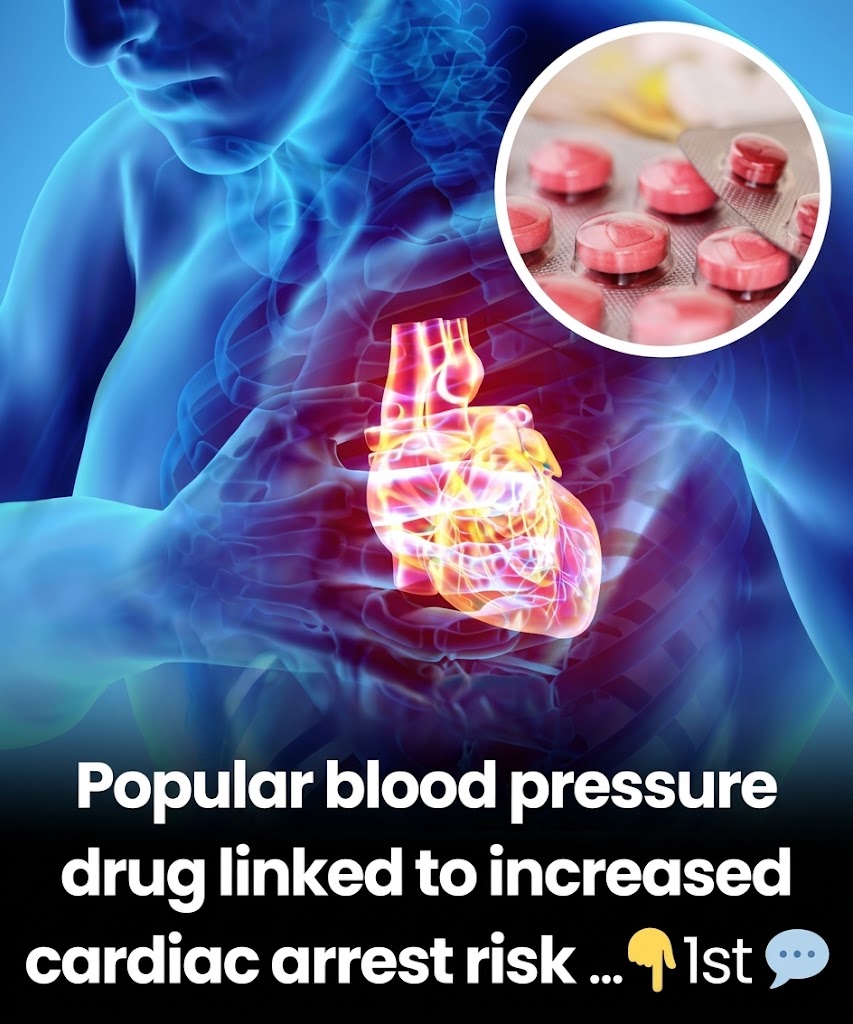
A recent study suggests that a commonly prescribed blood pressure and angina medication, nifedipine, may increase the risk of sudden cardiac arrest, particularly at high doses. The research, presented at EHRA 2019, found a significant association between high-dose nifedipine and out-of-hospital cardiac arrests, while its counterpart, amlodipine, did not show a similar link.
Key Takeaways
- High-dose nifedipine, a common blood pressure and angina drug, may increase the risk of sudden cardiac arrest.
- Amlodipine, another drug in the same class, did not show a similar increased risk.
- The study suggests high-dose
-
- nifedipine might lead to fatal cardiac arrhythmias.
- Further research is needed to confirm these findings.
Understanding the Risk

Cardiac arrest, a sudden cessation of the heart’s pumping function, is a critical medical emergency that can be fatal within minutes if untreated. In the U.S. alone, approximately 475,000 people die from cardiac arrest annually, making it a significant public health concern. Understanding the factors that contribute to this condition is crucial for prevention and treatment.
TAKING A STATIN OR BLOOD PRESSURE MEDICATION?Your numbers look better. So why doyou still feel tired, foggy, or off? 🔥 Discover the four overlooked factors your prescriptions were never designed to address—and why they may still affect how you feel.👇
The ESCAPE-NET Study
The European Sudden Cardiac Arrest network (ESCAPE-NET) project aimed to identify potential risk factors for cardiac arrest. A study utilizing data from this network focused on two widely used dihydropyridine drugs: nifedipine and amlodipine. These medications are frequently prescribed to manage high blood pressure and angina (chest pain).
The research analyzed data from over 10,000 individuals taking dihydropyridines and
50,000 control subjects. The findings indicated that individuals taking high doses of nifedipine were significantly more likely to experience an out-of-hospital cardiac arrest compared to those not using dihydropyridines or those taking amlodipine.
Laboratory Insights

To explore the reasons behind the differing effects of nifedipine and amlodipine, scientists conducted laboratory experiments. Both drugs work by blocking L-type calcium channels, which can shorten the action potential of cardiac cells. This shortening, in turn, could potentially trigger arrhythmias leading to cardiac arrest. The in vitro studies revealed that high doses of
nifedipine caused a more pronounced shortening of action potentials than high-dose amlodipine, aligning with the population study’s results.
Expert Commentary and Future Directions
Dr. Hanno Tan, the project leader for ESCAPE-NET, emphasized that while the findings are suggestive, they need to be replicated in further studies with larger participant groups and diverse demographics before any definitive conclusions can be drawn or changes in clinical practice can be made. If confirmed, these findings could influence how cardiologists and physicians choose between these medications for their patients.
DailyHealthPost Editorial
We bring you

