
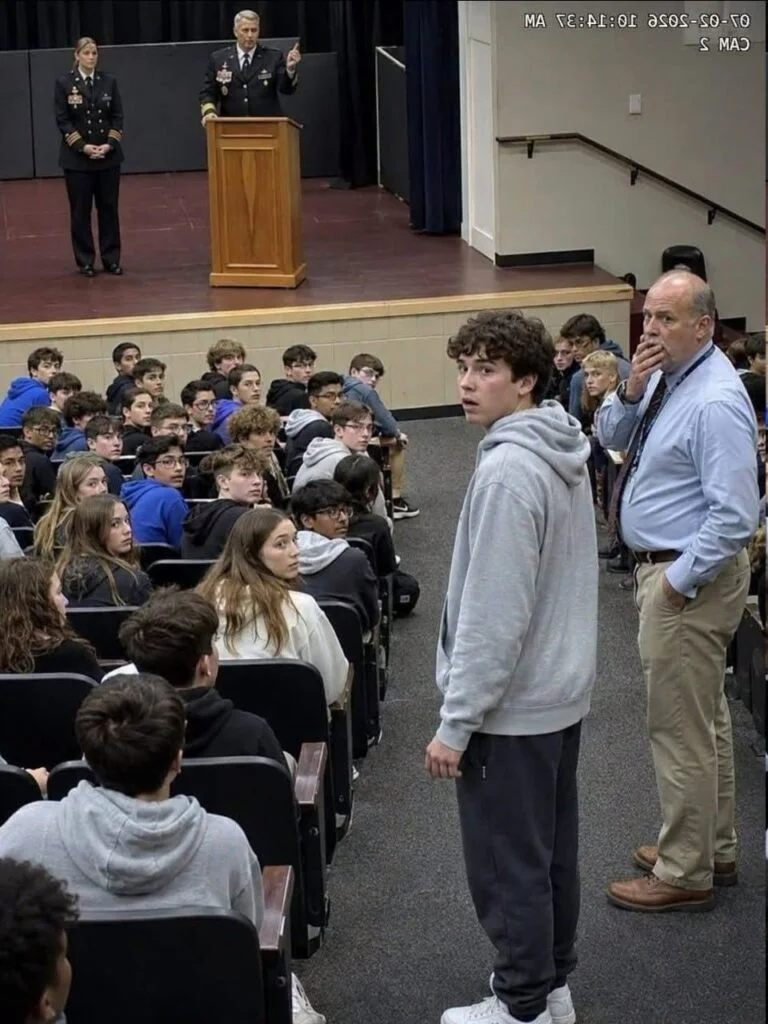
School assemblies and school-wide gatherings are foundational events in modern secondary education. They serve as essential platforms where administrators, military recruiters, guest speakers, civic leaders, and faculty address student bodies on important matters, ranging from career planning and college preparedness to community safety and academic achievements. However, when an unexpected disruption occurs during an auditorium address, it immediately captures the attention of every student, teacher, and administrator in the room.
Understanding how educational institutions manage student conduct, maintain discipline, foster civic responsibility, and coordinate large group events is crucial for parents, educators, and community members alike. Beyond everyday school routine, school management policies play an important role in shaping future citizens, preparing young adults for higher education or military service, and safeguarding overall student well-being.
Whether considering how administrative policies affect educational outcomes or how families navigate academic opportunities and financial planning for college, understanding modern school dynamics provides valuable insight into secondary education today.
The Role of Large School Gatherings in Modern Secondary Education
Auditorium assemblies serve several distinct educational and developmental functions in middle and high school environments:
1. Promoting Civic Awareness and Career Guidance
Schools routinely host military personnel, law enforcement officers, corporate leaders, and university representatives to introduce students to diverse post-graduation pathways. These sessions expose young individuals to career opportunities in engineering, aviation, healthcare, technology, and public service, helping them make informed choices about higher education and career development.
2. Reinforcing School Culture and Community
Gathering hundreds of students in a single hall fosters a shared sense of identity and community. Assemblies are frequently used to celebrate athletic victories, academic accomplishments, artistic performances, and community service projects.
3. Communicating Critical Policy Updates
When district leaders or school administrators need to deliver official announcements—such as updates regarding campus safety protocols, code-of-conduct expectations, or upcoming state standardized assessments—assemblies provide a unified environment to ensure every student receives consistent guidance.
Managing Classroom Discipline and Student Behavior
Maintaining decorum and order during large gatherings requires structured administrative oversight, clear behavioral expectations, and proactive faculty supervision.
+---------------------------+---------------------------------------+--------------------------------------+
| Supervisory Tier          | Primary Responsibilities              | Strategic Behavioral Goal            |
+---------------------------+---------------------------------------+--------------------------------------+
| District & Administration | Policy formation and overall safety   | Maintain secure learning environment |
| Guest Speakers & Recruiter| Present structured information        | Engage students on career paths      |
| Faculty & Class Monitors  | Direct supervision and crowd control | Address disruptions immediately      |
| Student Leadership        | Model appropriate conduct for peers   | Inspire positive campus culture      |
+---------------------------+---------------------------------------+--------------------------------------+
The Dynamics of Peer Influence and Classroom Interruption
In any high school setting, student behavior is strongly influenced by peer dynamics. When a student stands up unexpectedly or interrupts an assembly, it creates an immediate ripple effect throughout the auditorium. Faculty members positioned along the aisles must assess the situation quickly to determine whether the disruption stems from a medical emergency, a lapse in judgment, or a deliberate violation of school decorum.
Progressive Discipline and Educational Accountability
Modern secondary schools utilize progressive discipline models designed to address behavioral issues constructively rather than punitively. Key elements include:
-
De-escalation: Faculty members engage students calmly to understand the root cause of any disturbance.
-
Administrative Conferences: Guidance counselors and vice principals meet with students privately to discuss expectations, social behavior, and conflict resolution.
-
Parental Communication: Keeping parents and guardians informed ensures consistent support between home and school environments.
-
Restorative Practices: Encouraging students to take accountability for their choices helps rebuild trust within the school community.
Preparing Students for Higher Education, Military Service, and Career Pathways
School assemblies featuring guest presenters, such as military officials or university admissions officers, offer students direct glimpses into professional life after graduation.
Exploring Military Career Opportunities and GI Bill Benefits
For many young individuals, military enlistment or ROTC (Reserve Officers’ Training Corps) scholarships offer a transformative path toward leadership development, professional skills training, and financial support for higher education. Programs like the Post-9/11 GI Bill provide substantial tuition assistance, enabling service members to pursue undergraduate and graduate degrees with minimal personal debt.
Navigating College Admissions, Financial Aid, and Student Loans
As high school seniors prepare for life after graduation, understanding higher education financing becomes a top priority. Families frequently navigate complex financial landscapes involving grants, merit scholarships, federal student loans, and private educational financing. High school counselors play a vital role in helping students compare financial aid offers, ensuring families make sound long-term financial decisions regarding college tuition.
Career and Technical Education (CTE) Alternatives
In addition to four-year universities and military pathways, Career and Technical Education (CTE) programs provide specialized training in high-demand fields such as cybersecurity, healthcare technology, advanced manufacturing, and automotive engineering. These hands-on programs allow students to enter the workforce quickly, earn competitive salaries, and build rewarding careers without accumulating excessive debt.
Essential Safety Protocols and Campus Risk Management
In addition to academic and behavioral oversight, modern school facilities prioritize comprehensive emergency preparedness and risk management to protect students, staff, and visitors.
-
Structured Visitor Verification: All campus visitors, including military recruiters and community speakers, must verify their identity through automated badging systems prior to entering instructional facilities.
-
Clear Sightline Supervision: During auditorium events, faculty members are strategically stationed along aisles, exits, and seating rows to maintain clear supervision and assist in emergency evacuations.
-
Emergency Action Plans: Schools routinely practice response procedures for diverse scenarios, including medical emergencies, severe weather events, and campus safety threats.
-
Behavioral Health Support: Schools employ dedicated guidance counselors, psychologists, and social workers to support student mental health and provide early interventions for emotional distress.
Fascinating Facts About American High School Education
-
Massive Daily Engagement: Over 15 million students attend public and private high schools across the United States every single school day.
-
Historical Origins of Assemblies: The practice of holding regular school-wide morning assemblies originated in 19th-century educational institutions as a way to build school spirit and deliver moral instruction.
-
Growth of ROTC Programs: High school Junior ROTC (JROTC) programs educate over 500,000 cadets nationwide, focusing on leadership, citizenship, and community service.
-
Counselor Impact: Studies indicate that high school students who consult regularly with guidance counselors are significantly more likely to apply for college scholarships and complete financial aid forms.
-
The Value of Extracurriculars: Participation in high school extracurricular activities—such as student council, athletics, and debate clubs—correlates strongly with higher academic performance and post-secondary success.
Financial Planning, Legal Protections, and Family Life Considerations
Supporting a high school student through their teenage years involves careful planning across multiple areas of family life:
Protecting Family Finances with Education Savings Plans
Parents planning for their children’s future often utilize tax-advantaged 529 savings plans. These state-sponsored plans allow funds to grow tax-free when used for qualified higher education expenses, including tuition, room and board, books, and required technology supplies.
Health and Disability Protection for Young Adults
As teenagers transition into young adulthood and prepare to move away for college or career training, updating health insurance coverage and personal records is essential. Families must evaluate medical insurance options, ensuring continuous coverage under family plans or student health insurance policies.
Legal Considerations and Privacy Rights in Education
Under the Family Educational Rights and Privacy Act (FERPA), parents and students possess clear legal rights regarding access to educational records, behavioral report logs, and academic transcripts. Understanding these rights helps families advocate effectively for their children within school districts.
Frequently Asked Questions (FAQ)
What happens if a student causes a disturbance during a school assembly?
When a disruption occurs, supervising faculty members or school administrators address the situation promptly. Depending on the nature of the interruption, the student may be escorted privately to a counseling office or administrative suite to discuss the behavior, restore order, and determine appropriate follow-up actions.
Are high school students required to attend military recruitment presentations?
While schools host military recruiters to share information about career options and ROTC programs, student participation in individual meetings is typically optional. Parents also have the legal right to opt out of having their child’s contact information shared with military recruitment representatives under federal education guidelines.
How can guidance counselors assist students with college and career planning?
Guidance counselors provide comprehensive support by evaluating academic transcripts, assisting with college applications, providing information on scholarship opportunities, offering guidance on financial aid forms (such as FAFSA), and helping students explore trade schools, military service, or direct workforce entry.
How do schools maintain safety during large auditorium gatherings?
Schools maintain safety through structured staff supervision, clear aisle access, strict visitor check-in procedures, and predefined emergency evacuation plans. Faculty members are distributed throughout seating areas to ensure student well-being and respond quickly to any physical or medical needs.
What should parents do if their child faces disciplinary action at school?
Parents should request a formal meeting with school administrators to review the details of the incident, examine relevant school code-of-conduct policies, discuss potential counseling support, and work collaboratively with educators to establish a constructive plan for the student’s success.
Conclusion
High school assemblies and campus events play a vital role in secondary education, providing valuable opportunities for academic growth, career exploration, and community building. By maintaining clear behavioral standards, prioritizing safety, and offering strong administrative and guidance support, educational institutions help prepare young individuals for successful transitions into higher education, military careers, and professional life. When unexpected moments arise in the classroom or auditorium, thoughtful management and open communication ensure that every challenge becomes a constructive learning experience for the entire school community.
