
flat on the back for extended periods can also cause discomfort or lightheadedness in some individuals because the uterus can compress major blood vessels.
Side sleeping is generally recommended during later pregnancy, and many people find the left side comfortable.
The potential advantage of left-side sleeping relates partly to circulation. The uterus can put pressure on the inferior vena cava, a large vein that returns blood from the lower body to the heart. Lying flat on the back late in pregnancy can increase this compression in some people.
Side sleeping helps reduce that pressure. The left side has traditionally been emphasized because it may support circulation while avoiding compression of this vein, although right-side sleeping is also considered acceptable.
It is important to understand that pregnant people do not need to remain perfectly positioned on the left side all night. Comfort matters, and changing sides during sleep is normal.
For
someone who wakes up on their back, there is generally no reason to panic. They can simply turn onto their side and return to sleep.
As pregnancy advances, healthcare professionals commonly advise going to sleep on either side rather than deliberately settling into a flat-on-the-back position.
Pillows can make this easier. A pillow between the knees may reduce pelvic strain, while a pillow beneath the abdomen can provide additional support. A full-length pregnancy pillow may help support the back and legs.
When should you ask your doctor?
Pregnant individuals with medical complications, persistent dizziness, breathing difficulties, or concerns about circulation should discuss their sleeping position with their obstetric care team.
The goal is not to follow a rigid rule about the left side. It is to support comfortable sleep while following evidence-based pregnancy guidance.
3. It May Help Some People Who Experience Snoring
Snoring occurs when airflow causes tissues in
the upper airway to vibrate during sleep. It can be influenced by nasal congestion, alcohol, sleeping posture, body weight, and the anatomy of the throat.
For some people, sleeping on the back makes snoring worse. Gravity can encourage the tongue and soft tissues of the upper airway to move backward, narrowing the passage through which air travels.
Side sleeping may help keep the airway more open in these individuals.
The benefit is not exclusive to the left side. Sleeping on either side can reduce position-related snoring compared with sleeping flat on the back.
For example, a person who snores heavily when lying on their back may notice that the sound becomes quieter when they roll onto their side. Their partner may notice the difference before they do.
However, snoring is not always harmless.
Loud, persistent snoring can sometimes be a sign of obstructive sleep apnea, a condition in which the
upper airway repeatedly narrows or becomes blocked during sleep. These episodes can interrupt breathing and reduce sleep quality.
Other warning signs include pauses in breathing observed by a partner, gasping or choking during sleep, morning headaches, excessive daytime sleepiness, and difficulty concentrating.
Left-side sleeping may reduce symptoms in some people with position-dependent sleep apnea, but it is not a replacement for proper diagnosis or treatment.
What should you do?
If snoring is persistent, especially when accompanied by breathing pauses or daytime sleepiness, speak with a healthcare professional. A sleep study may be appropriate.
Depending on the diagnosis, treatment may include positional therapy, positive airway pressure, an oral appliance, or other interventions.
Side sleeping can be a useful part of managing positional snoring, but the underlying cause matters more than the choice between the left and right sides.
4. It Does Not Automatically Improve Digestion
You may have heard that sleeping
on the left side helps food move through the digestive system, prevents bloating, or improves the body’s ability to absorb nutrients.
These claims are often presented as universal health benefits, but the evidence is more limited than social media posts sometimes suggest.
The digestive system relies on coordinated muscle contractions, digestive secretions, intestinal movement, and the body’s nervous system. These processes continue regardless of whether a person sleeps on the left side, right side, or back.
Sleeping position can influence certain digestive symptoms, particularly reflux. However, that does not mean left-side sleeping improves every aspect of digestion.
For example, a person who experiences bloating after eating may not notice any meaningful improvement simply by changing sleeping position. The underlying cause could involve constipation, food intolerance, irritable bowel syndrome, or another gastrointestinal condition.
Likewise, there is insufficient evidence to claim that left-side sleeping reliably speeds digestion, prevents all forms of bloating,
or significantly improves nutrient absorption in otherwise healthy people.
That said, people with reflux may feel more comfortable on their left side, and improved comfort can make it easier to sleep.
A few habits may be more useful for general digestive health:
- Eat regular meals that suit your individual needs.
- Drink adequate fluids.
- Include appropriate amounts of dietary fiber.
- Maintain regular physical activity.
- Avoid going to bed immediately after a large meal.
- Seek medical advice for persistent or worsening digestive symptoms.
If bloating is frequent, painful, or accompanied by unexplained weight loss, vomiting, blood in the stool, or a sustained change in bowel habits, it deserves medical assessment.
The main takeaway is that sleeping on the left side may help specific digestive symptoms, but it should not be treated as a universal remedy for digestive problems.
5. It May Influence Lymphatic Drainage, but Claims Are Often Exaggerated
The lymphatic system
is an important part of the body’s immune and fluid-balance systems. It consists of vessels, lymph nodes, and other structures that transport lymph, help return excess tissue fluid to the bloodstream, and support immune function.
Because some lymphatic vessels and organs are located toward the left side of the upper body, popular wellness articles sometimes claim that sleeping on the left side dramatically improves lymphatic drainage or detoxification.
The reality is more complicated.
The thoracic duct, the body’s largest lymphatic vessel, returns much of the lymph to the bloodstream near the left side of the neck. This anatomical fact is sometimes used to suggest that gravity makes left-side sleeping uniquely beneficial for removing waste products.
However, the existence of the thoracic duct does not establish that sleeping on the left side meaningfully accelerates whole-body detoxification in healthy people.
The lymphatic system is an active network that depends on vessel contractions,
movement, breathing, and other physiological mechanisms. There is not strong clinical evidence that a particular sleeping side provides a major general detoxification advantage.
Your liver, kidneys, lungs, digestive system, and other organs already perform essential functions in processing and eliminating waste products. No special sleeping position is needed to activate these organs.
There are situations in which body position can influence swelling or fluid movement, but recommendations depend on the underlying condition. For example, people with lymphedema may benefit from individualized treatment involving compression, exercise, skin care, and specialized therapy.
People with heart failure, kidney disease, or significant swelling should not rely on sleeping posture alone to manage fluid retention.
What is the practical lesson?
Sleep in the position that allows you to breathe comfortably and rest well, unless a healthcare professional has recommended a specific position for a medical reason.
Be cautious about claims that left-side sleeping flushes toxins,
cleanses the blood, or prevents disease through lymphatic drainage. These claims are not supported by strong clinical evidence.
6. It Can Affect Shoulder, Hip, and Back Comfort
Although left-side sleeping may help some medical conditions, it can also create discomfort in other circumstances.
When a person sleeps on one side, body weight is concentrated across the shoulder, ribs, hip, and surrounding soft tissues. If the mattress does not provide adequate support or the person remains in one position for a long time, pressure can build up.
Someone with a painful left shoulder may find that sleeping directly on it worsens their discomfort. A person with hip arthritis or bursitis may experience similar problems when lying on the affected side.
Spinal alignment also matters.
If the head is tilted too far upward or downward because of an unsuitable pillow, the neck may remain in an uncomfortable position for hours. Similarly, a
mattress that allows the pelvis to sink excessively may contribute to discomfort in some sleepers.
These issues are not unique to left-side sleeping. They can occur when sleeping on either side, and individual anatomy, injuries, mattress firmness, and pillow height all influence comfort.
How can you make side sleeping more comfortable?
First, choose a pillow that keeps your neck approximately aligned with the rest of your spine. A pillow that is too high or too low may strain the neck.
Second, consider placing a pillow between your knees. This can help reduce twisting at the hips and may improve comfort for some people with lower-back discomfort.
Third, avoid placing your entire body weight directly on a painful shoulder. Adjusting the position of your upper arm or changing sides may help.
Finally, assess your mattress. It should support your body without creating excessive pressure at the shoulder and hip.
If pain
persists, becomes severe, causes weakness or numbness, or interferes with everyday activities, seek medical advice rather than assuming that the sleeping position is the only cause.
The best sleeping posture is one that supports adequate rest without worsening an existing problem.

7. It May Be Useful for People With Certain Circulatory Concerns, but It Is Not a Universal Heart Health Strategy
The relationship between sleeping position and cardiovascular health is more complex than many online headlines suggest.
The heart, lungs, major blood vessels, and surrounding structures interact continuously as the body rests. Changes in posture can affect how some people experience breathing, chest discomfort, or circulation-related symptoms.
However, there is no strong evidence that all healthy adults can improve their long-term heart health simply by sleeping on the left side.
In fact, some people with particular medical conditions find that lying on the left side makes them more aware of
their heartbeat or causes discomfort. Others with certain heart or lung conditions may find that lying on either side makes breathing more difficult.
For people with heart failure or other significant cardiovascular conditions, sleeping posture should be considered in the context of their overall symptoms and medical treatment.
One important symptom is orthopnea, which describes shortness of breath when lying flat that improves when sitting or standing. It can occur in people with heart failure and some other conditions.
Another warning sign is waking suddenly at night feeling severely short of breath.
These symptoms should not be managed solely by switching to the left side. They require medical assessment because the underlying cause may need treatment.
People with heart conditions should follow the advice of their treating clinician, especially if they have been given specific recommendations about sleeping posture.
For most healthy adults, the more established ways to support cardiovascular
health include regular physical activity, a balanced diet, adequate sleep, not smoking, managing blood pressure and cholesterol, and following appropriate medical treatment.
Left-side sleeping may be comfortable for some people, but it is not a substitute for these measures.
8. It May Affect How You Experience Heartbeat Awareness
Some people notice their heartbeat more clearly when lying on their left side.
They may feel a gentle thumping in the chest or become more aware of each beat when they settle into bed. This can be unsettling, particularly for someone who is already worried about their heart.
One reason is that body position changes the relationship between the heart and the chest wall. Depending on anatomy and posture, the heartbeat may become more noticeable when lying on the left side.
In many cases, increased awareness of the heartbeat is harmless, particularly if the sensation is brief and occurs without other symptoms.v
However, the sensation of a pounding, racing, fluttering, or irregular heartbeat can also represent palpitations. These may be associated with stress, caffeine, dehydration, certain medications, thyroid disorders, or an abnormal heart rhythm.
It is not possible to distinguish all these causes by sleeping position alone.
If you notice occasional heartbeat awareness only when lying on your left side, you may find that adjusting your position reduces the sensation. But if palpitations are new, recurrent, persistent, or worsening, discuss them with a healthcare professional.
Seek emergency care if palpitations occur with chest pain, fainting, severe shortness of breath, or significant dizziness.
Do not assume that a symptom is harmless simply because it happens at night.
For people who become anxious about their heartbeat at bedtime, reducing caffeine late in the day, maintaining a regular sleep schedule, and avoiding repeated checking of the pulse may help. Nevertheless, persistent symptoms should be evaluated
rather than attributed automatically to anxiety.
9. It Can Influence Sleep Quality Through Comfort and Breathing
Sleep quality depends on several interacting factors, including sleep duration, regularity, breathing, environmental conditions, stress, pain, and the ability to move comfortably during the night.
For some people, sleeping on the left side improves comfort or reduces reflux, allowing them to sleep more continuously.
For others, the same position may create pressure on the shoulder, hip, or arm, causing repeated awakenings.
This is why a sleeping position that works well for one person may be uncomfortable for another.
There is also a difference between sleeping in a position that feels comfortable and choosing a position because of an advertised health benefit. If a position causes discomfort or repeatedly interrupts sleep, it may not be worth maintaining solely because of a theoretical advantage.
Adults generally need at least seven hours of sleep per night, although
individual needs vary. Consistent sleep and wake times, a comfortable bedroom, and reduced exposure to stimulating activities close to bedtime can help support better sleep.
If you are experimenting with left-side sleeping, give yourself time to adjust. Use a supportive pillow, consider placing another pillow behind your back to make the position more comfortable, and change sides if pressure develops.
You do not need to force yourself to remain completely still. People naturally change positions during sleep, and normal movement is part of a healthy night’s rest.
If you regularly wake feeling unrefreshed despite adequate time in bed, or if you experience severe daytime sleepiness, persistent insomnia, or signs of sleep apnea, speak with a healthcare professional.
A sleeping-position adjustment may help, but it is only one part of a broader approach to sleep health.
10. It May Help Some People With Nighttime Discomfort, but It Cannot Replace Medical Treatment
One reason left-side sleeping has become popular is that it can sometimes reduce discomfort associated with particular conditions.
For example, a person with nighttime reflux may find that lying on the left side reduces burning sensations. Someone who snores mainly while sleeping on their back may notice quieter breathing when lying on their side.
Pregnant individuals may also find side sleeping more comfortable as pregnancy progresses.
These are practical, condition-specific benefits. They do not mean that left-side sleeping prevents cancer, cures digestive diseases, removes toxins, or guarantees better circulation for every person.
It is useful to distinguish between three different ideas:
A position that reduces a symptom: Left-side sleeping may help some people experience less nighttime reflux.
A position that improves comfort: Side sleeping may reduce pressure on certain structures or make it easier to rest.
A position that prevents disease: There is generally insufficient evidence to claim that sleeping
on the left side alone prevents major diseases or significantly extends life.
The first two may be useful in the right circumstances. The third should be treated cautiously unless supported by strong clinical evidence.
If a health condition affects your sleep, the best approach is to identify the underlying cause and discuss appropriate treatment with a qualified professional.
Changing sleeping position can be a low-cost adjustment, but it should complement—not replace—medical care.
Is Sleeping on Your Left Side Better Than Sleeping on Your Right Side?
The answer depends on what you are trying to improve.
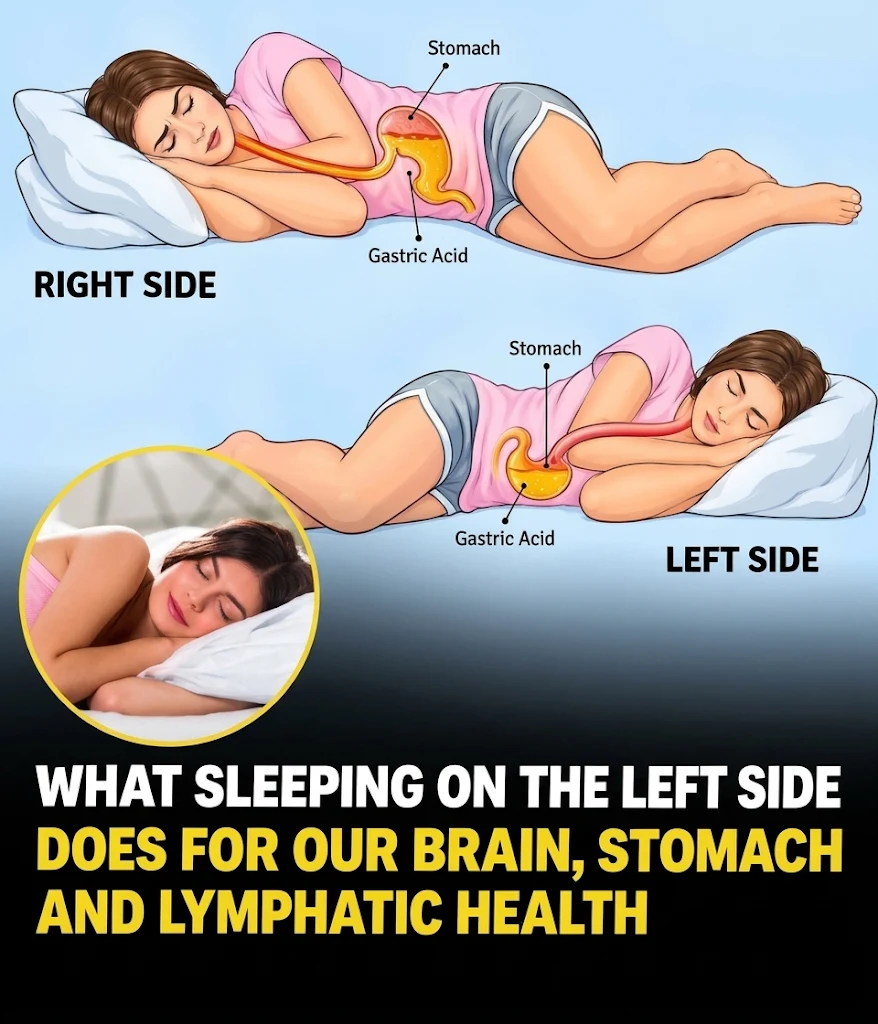
For nighttime acid reflux, left-side sleeping often has an advantage over right-side sleeping. This is one of the clearest practical reasons to consider changing position.
During pregnancy, sleeping on either side is generally acceptable, particularly later in pregnancy, and comfort can guide the choice between the left and right sides.
For positional snoring, either side
may help compared with lying flat on the back.
For shoulder pain, hip pain, or certain musculoskeletal conditions, the best side may be the one that places less pressure on the affected area.
For healthy adults without a specific medical concern, there is no universally superior side that everyone must use.
The body is not designed around a single mandatory sleeping position. Anatomy, health conditions, comfort, and personal preferences all influence what works best.
If you already sleep well, wake feeling rested, and do not have symptoms that worsen when lying down, there may be no reason to change your position.
If you experience frequent nighttime reflux or another position-related problem, a carefully chosen adjustment may be worth trying.
How to Make Left-Side Sleeping More Comfortable
If you want to try sleeping on your left side, a few simple adjustments may make the transition easier.
Choose a supportive pillow
Your
pillow should keep your head and neck in a comfortable, neutral position. If it is too high, your neck may bend upward. If it is too low, your head may tilt toward the mattress.
The ideal height depends on your shoulder width, mattress firmness, and body shape.
Place a pillow between your knees
A pillow between the knees may help keep the pelvis in a more comfortable position and reduce twisting in the lower back.
This can be particularly useful for people who experience discomfort around the hips or lower back, although individual results vary.
Support your upper arm
Some side sleepers experience shoulder pressure or numbness in the arm beneath them. Adjusting the upper arm and avoiding excessive pressure on the shoulder may help.
If one shoulder is painful, consider sleeping on the opposite side or using pillows to support the affected arm.
Avoid large meals immediately before bed
If you are trying left-side sleeping to manage acid reflux, changing position is only one part of the strategy.
Allowing time between dinner and bedtime, reducing personal food triggers, and elevating the head of the bed may provide additional benefit.
Do not force yourself to stay in one position
It is normal to change positions throughout the night. If your body becomes uncomfortable, move.
The goal is not to maintain a perfect posture from bedtime until morning. It is to achieve comfortable, restorative sleep while avoiding positions that worsen your symptoms.
Pay attention to persistent symptoms
If you experience repeated pain, numbness, breathing difficulties, palpitations, or digestive symptoms, do not assume that the solution is simply to adjust your pillow.
Persistent symptoms may require a medical evaluation.
Common Myths About Sleeping on the Left Side
Because sleep advice is widely shared online, several claims about left-side sleeping deserve clarification.
Myth
1: Sleeping on the left side detoxifies the body.
There is no strong clinical evidence that this position provides a major whole-body detoxification benefit. The liver, kidneys, lungs, and other organs perform essential waste-processing functions regardless of sleeping side.
Myth 2: Everyone should sleep on the left side.
There is no universal rule that makes the left side best for every person. Comfort, medical conditions, and individual needs matter.
Myth 3: Left-side sleeping prevents heart disease.
There is insufficient evidence to claim that choosing the left side by itself prevents heart attacks or other major cardiovascular diseases.
Myth 4: Sleeping on the left side cures acid reflux.
It may reduce nighttime reflux for some people, but persistent GERD can require lifestyle changes, medication, or further medical assessment.
Myth 5: Waking up on your back during pregnancy is always dangerous.
If you wake up on your back, do not panic. Simply
turn onto your side and return to sleep. Discuss any pregnancy-specific concerns with your obstetric care team.
Myth 6: A single sleeping position guarantees better sleep.
Sleep quality depends on multiple factors. A comfortable position can help, but it cannot compensate for every cause of poor sleep, such as untreated sleep apnea, chronic pain, or insomnia.
Understanding these distinctions makes it easier to use sleeping-position advice without unnecessary fear or unrealistic expectations.
When Should You Speak With a Doctor About Sleep Position?
For most people, trying a different sleeping position is a low-risk adjustment. However, certain symptoms should not be managed by posture alone.
Speak with a healthcare professional if you experience:
- Frequent nighttime heartburn or persistent acid reflux.
- Loud snoring accompanied by gasping or pauses in breathing.
- Shortness of breath when lying flat.
- New or recurrent palpitations.
- Persistent shoulder, hip, or back pain that disrupts sleep.
- Difficulty swallowing, unexplained
- weight loss, or ongoing digestive symptoms.
- Severe daytime sleepiness despite adequate time in bed.
Seek emergency care for severe chest pain, serious breathing difficulty, fainting, or other symptoms that suggest an immediate medical problem.
If you are pregnant and have questions about sleeping position, ask your obstetric care team for guidance based on your stage of pregnancy and individual circumstances.
People with significant heart, lung, or other chronic conditions may also benefit from individualized advice.

Final Thoughts: Your Sleeping Position Matters, but Comfort and Context Matter More
Sleeping on your left side may offer several useful benefits, particularly for people who experience nighttime acid reflux. It can also be a comfortable option during pregnancy and may help some people whose snoring becomes worse when they sleep on their backs.
At the same time, left-side sleeping is not a miracle health practice. It does not automatically improve every digestive process, detoxify
the body, prevent heart disease, or guarantee deeper sleep.
For some individuals, it may even increase shoulder pressure or make heartbeat sensations more noticeable.
The best approach is to understand your own needs, pay attention to symptoms, and avoid treating a single sleeping position as a substitute for medical care.
If left-side sleeping helps you feel more comfortable and rest better, there is no reason not to use it unless a healthcare professional has advised otherwise. If another position works better for your body, that may be perfectly reasonable too.
Ultimately, the goal is not to sleep on the left side at all costs. It is to find a comfortable, sustainable sleeping position that supports good rest while taking any underlying health concerns seriously.
