If you experience severe abdominal pain, bleeding, or sudden changes in bowel habits, seek medical attention promptly before scheduling any screening tests.
Understanding Your Colonoscopy Options: What You Need to Know First
Colorectal cancer screening is crucial because early-stage colorectal cancer and precancerous polyps typically cause no symptoms. Detecting and removing polyps early can prevent cancer development and save lives. However, anxiety about the invasiveness and discomfort of traditional colonoscopy leads many to delay screening, increasing their risk.
In recent years, a less invasive alternative called virtual colonoscopy has become
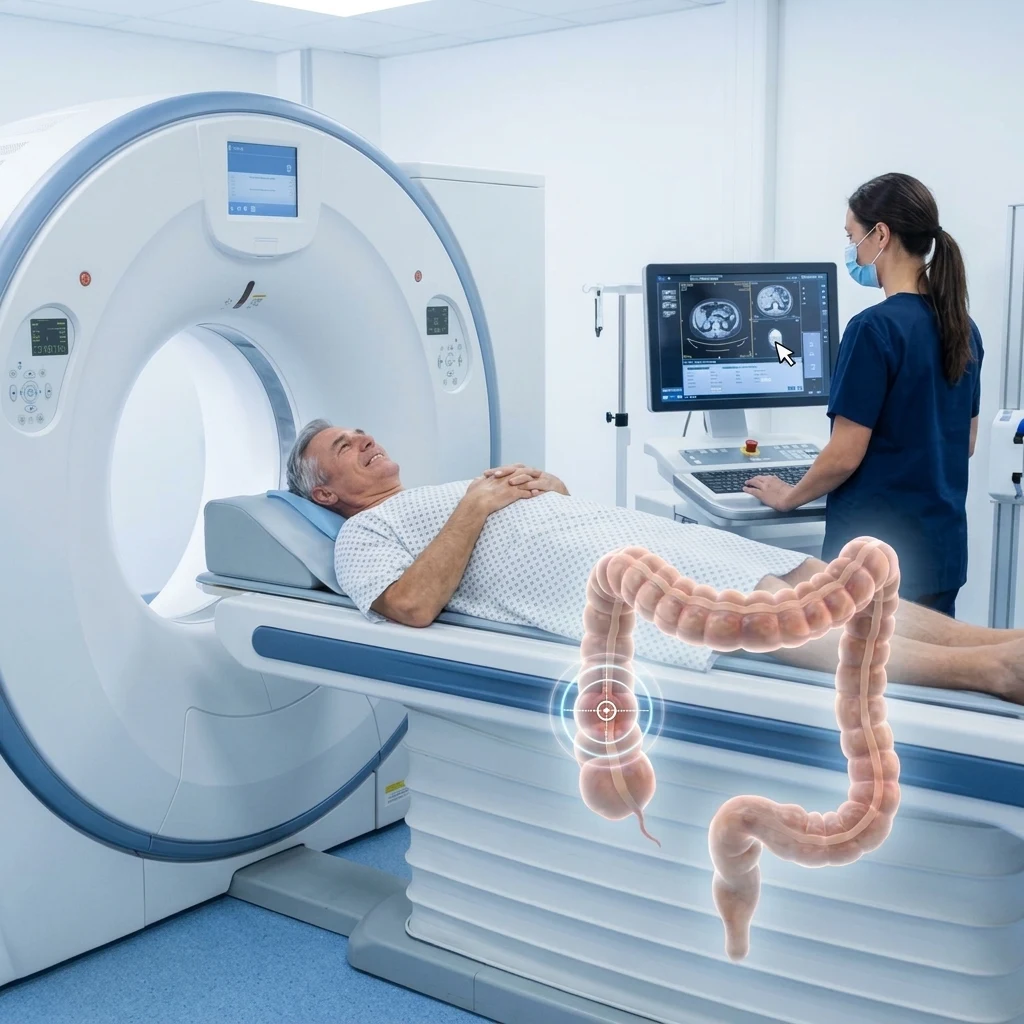
more accessible. This procedure uses advanced CT imaging to produce detailed 3D views of the colon without requiring a long flexible scope to traverse the entire intestine. This innovation is especially relevant for people who cannot undergo sedation or have medical conditions making traditional colonoscopy difficult.
Is Virtual Colonoscopy Completely Non-Invasive?
Despite being less invasive, virtual colonoscopy still involves inserting a small tube into the rectum to inflate the colon with air or carbon dioxide, which may cause temporary sensations of pressure or cramping. Unlike traditional colonoscopy, virtual colonoscopy usually
does not require sedation, letting patients resume normal activities quickly after the exam.
Key Decisions Before Screening
Choosing between virtual and traditional colonoscopy depends on your personal medical history, risk factors, and screening goals. While virtual colonoscopy can detect many larger polyps and cancers, it cannot remove polyps or perform biopsies. If abnormalities appear, a traditional colonoscopy is generally required afterward, potentially leading to two procedures instead of one.
Check Your Medicine Cabinet and Health History
Before screening, review any medications that might affect bowel preparation or sedation risks with
your healthcare provider. Both virtual and traditional colonoscopies require thorough bowel cleansing beforehand, typically involving a special diet and laxatives to ensure clear visualization of the colon lining. Poor preparation can result in missed abnormalities and the need for repeat testing.
Costs for virtual colonoscopy vary but generally range from several hundred to over a thousand dollars, depending on insurance coverage and location. Traditional colonoscopy costs can be higher due to sedation and potential polyp removal during the procedure.
Ultimately, the best colorectal cancer screening test is the one that
you complete. Early detection, by any effective method, greatly improves outcomes.
Here are the 10 key points to understand about colonoscopy screening options. Number 6 reveals the crucial limitation that might lead to additional procedures.
Continue Reading on the Next Page
1. Why Colon Cancer Screening Matters
Colorectal cancer is a leading cause of cancer-related deaths, largely because it often develops silently over many years. The disease usually begins as small benign growths called polyps inside the lining of the colon. While most polyps start harmless, some can slowly transform
into malignant tumors if left undetected.
The critical benefit of screening lies in identifying and removing these polyps before they progress to cancer. This preventive approach has been shown to significantly reduce colorectal cancer incidence and mortality.
Because early colorectal cancer rarely causes symptoms, many individuals remain unaware of its presence until the disease has advanced. This silent progression underscores the importance of routine screening, especially for adults over the age of 45 or those with risk factors such as family history, inflammatory bowel disease, or prior polyps.
2. What
Is a Traditional Colonoscopy?
A traditional colonoscopy is an endoscopic procedure that allows direct visualization of the entire colon and rectum. The doctor inserts a long, flexible tube equipped with a miniature camera through the rectum and carefully advances it through the colon, inspecting the mucosal lining for abnormalities.
This procedure is considered the gold standard for colorectal cancer screening because it not only detects polyps and cancers but also permits immediate therapeutic intervention. If polyps are found, they can be removed during the same session, and biopsies of suspicious