
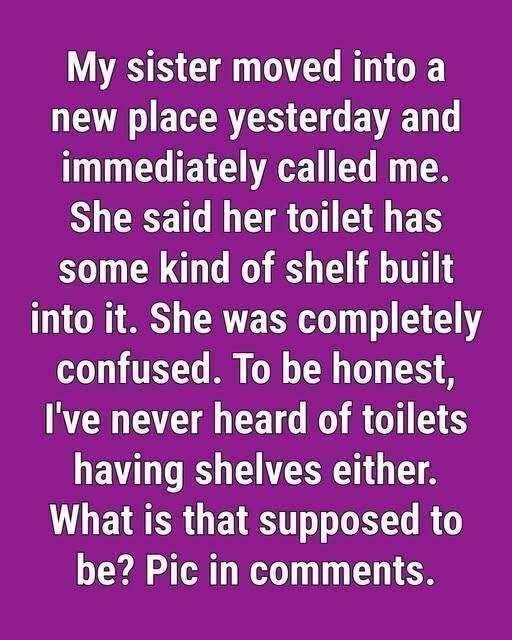
When moving into a new apartment or traveling internationally, encountering unfamiliar household fixtures can lead to surprising cultural discoveries. One design that consistently baffle newcomers—particularly expats and tourists in Northern and Central Europe—is the toilet with a built-in “shelf” inside the bowl. Known technically as a washout toilet or Flachspüler in German, this unique plumbing fixture features a flat ceramic ledge positioned directly beneath the seat, keeping water resting only in a small pool at the front.
While this setup looks unusual compared to the deep-water washdown toilets standard in North America and much of the world, it was engineered intentionally for specific hygiene, health, and cultural reasons. Understanding the mechanics, history, and practical advantages of washboard-style shelf toilets provides a fascinating look into European plumbing history, home sanitation, and global architectural standards.
In this deep-dive article, we will explore the purpose behind shelf toilets, weigh their practical advantages and disadvantages, examine how proper home maintenance protects real estate value, and discuss how smart home upgrades intersect with personal finance and health management.
What Is a Shelf Toilet? (Washout vs. Washdown Design)
To understand why a toilet has a shelf, it helps to compare the two main types of toilet bowl mechanics used across the globe:
1. Washout Toilets (The Shelf Design)
In a washout toilet (Flachspüler), waste falls directly onto a shallow, dry or slightly wet ceramic platform before being flushed away into a trapway located at the front of the bowl. When the flush mechanism is activated, a strong cascade of water sweeps across the horizontal shelf, pushing the contents forward into the drainage pipe.
2. Washdown Toilets (The Standard Design)
In a washdown toilet (Tiefspüler), waste drops directly into a deep pool of standing water located at the center or rear of the bowl. The force of the rising water level and gravity flushes the waste down a siphoning trapway. This is the predominant style found in North American homes, modern European construction, and across Asia.
The Origin and Purpose of the Toilet Shelf
Why did European engineers create a toilet bowl with a horizontal shelf in the first place? The design evolved in the late 19th and early 20th centuries due to several practical, health-oriented considerations.
1. Health Inspection and Medical Monitoring
Historically, the primary motivation for the German shelf toilet design was medical observation. In an era before quick, non-invasive diagnostic blood panels and advanced lab tests were readily available, health monitoring often relied on visual inspection of bodily waste. The shelf allowed individuals and family members to easily inspect stool for signs of digestive disorders, internal bleeding, parasites, or nutritional malabsorption before flushing.
2. Preventing Water Splashing
A common nuisance of standard deep-water washdown toilets is water splashing upward when waste hits the water surface. Because the shelf in a washout toilet catches waste on a dry or shallow ceramic surface, there is zero splash-back, making the experience far more sanitary for the user.
3. Object Retrieval
Accidentally dropping household items, keys, jewelry, or mobile phones into a traditional deep-water toilet often means reaching into contaminated water or hiring a professional plumber to clear a clogged drain line. On a shelf toilet, dropped items land safely on the ceramic platform without falling down the sewer trapway, allowing for easy retrieval and sanitation.
Advantages and Disadvantages of Washout Shelf Toilets
Like any architectural innovation, the washout shelf toilet offers distinct benefits alongside noticeable drawbacks that led to its declining popularity in modern construction.
Key Advantages
-
Zero Splash-Back: Eliminates dirty water splashing upward onto the user.
-
Easy Health Monitoring: Provides a simple way to observe digestive health, which can be useful for individuals managing chronic gut conditions.
-
Low Water Volume Usage: Older shelf models often required less initial water capacity to clear the bowl compared to early siphon jet models.
Notable Disadvantages
-
Odor Retention: Because waste rests on an exposed surface rather than submerged under water, odors dissipate into the room immediately until the toilet is flushed.
-
Frequent Cleaning Required: Fecal matter often leaves residue or marks on the ceramic shelf, requiring the regular use of a toilet brush after almost every flush.
-
Higher Flush Volume Needed for Complete Clearing: If water pressure is low or the flush mechanism is weak, multiple flushes may be required to clear heavy residue off the flat surface.
Home Maintenance, Real Estate, and Financial Planning
Whether you are renting or buying a home, understanding the plumbing and fixtures in a property is an important part of home maintenance and long-term financial management.
Real Estate Value and Property Inspection
When purchasing real estate or taking out a Mortgage, evaluating the age, efficiency, and condition of a property’s plumbing infrastructure is essential. Older homes featuring vintage plumbing fixtures like legacy washout toilets may require eventual bathroom renovations. Including potential plumbing upgrades in your initial home buying budget helps buyers avoid unexpected expenses.
Home Improvement and Renovations
Renovating a bathroom is one of the highest-yield projects for boosting home equity and market resale value. Replacing outdated plumbing fixtures with modern, ultra-low-flow dual-flush toilets or high-tech smart bidets enhances daily comfort while lowering monthly water bills. Homeowners often finance major bathroom remodeling projects through personal savings, home equity line of credit (Credit) options, or specialized home renovation Loan packages.
Protecting Your Health and Finances
Investing in proper home sanitation and routine plumbing maintenance protects families from costly water damage, sewage backups, and emergency plumbing calls. Taking a proactive approach to property management aligns with sound personal Finance practices, ensuring long-term stability and protecting your family’s overall financial security and Retirement savings.
Practical Tips for Managing and Cleaning a Shelf Toilet
If you live in or move into a home that features a traditional shelf toilet, keeping it clean and fresh requires a few specific habits:
-
Pre-Wet the Shelf: Flushes slightly before using the toilet to create a smooth, lubricated water barrier on the ceramic shelf, reducing residue adherence.
-
Use Paper as a Liner: Placing a single sheet of toilet paper on the dry shelf before use helps waste slide off smoothly during flushing.
-
Keep a Toilet Brush Nearby: Keep a sturdy toilet brush and disinfecting cleaner right next to the toilet for quick touch-ups.
-
Maintain Adequate Water Flow: Ensure your toilet tank fill valve is set to the correct height so the full volume of water surges across the shelf during the flush cycle.
Fascinating Facts About International Plumbing Traditions
-
Regional Preferences: While shelf toilets were historically dominant in Germany, Austria, the Netherlands, and parts of Eastern Europe, they have largely been phased out in modern construction in favor of standard washdown toilets.
-
Squat Toilets: In many parts of Asia, North Africa, and Southern Europe, traditional squat toilets are preferred due to health research suggesting that squatting provides a more natural, healthy anatomical angle for bowel movements.
-
High-Tech Bidet Culture: Japan leads the world in toilet technology, with modern heated seats, built-in bidet sprays, warm air dryers, automatic lid lifting, and integrated odor-absorbing carbon filters becoming standard household features.
Frequently Asked Questions (FAQ)
What is the toilet shelf called in Germany?
In German, a shelf toilet is called a Flachspüler (washout toilet), while a toilet without a shelf is called a Tiefspüler (washdown toilet).
Are shelf toilets still being installed today?
While some specialty manufacturers still produce shelf toilets for medical facilities or traditional architectural replacements, they are rarely installed in new modern residential builds.
Why do European toilets often have two flush buttons?
The dual-flush button system allows users to choose between a smaller water volume flush for liquid waste and a full-capacity flush for solid waste, conserving thousands of gallons of water per household annually.
How can I stop a shelf toilet from smelling?
Flushing immediately after use, keeping a room ventilation fan running, using toilet bowl drops, or placing a piece of toilet paper on the shelf prior to use can significantly reduce odors.
Conclusion
The mystery of the toilet shelf comes down to historical European engineering prioritized around health monitoring, splash prevention, and plumbing efficiency. While the design may feel unusual to those accustomed to deep-water washdown toilets, understanding its purpose highlights how cultural habits shape everyday home architecture. Whether updating vintage fixtures or maintaining modern home amenities, taking care of your living space supports both your personal comfort and your long-term property value.
