
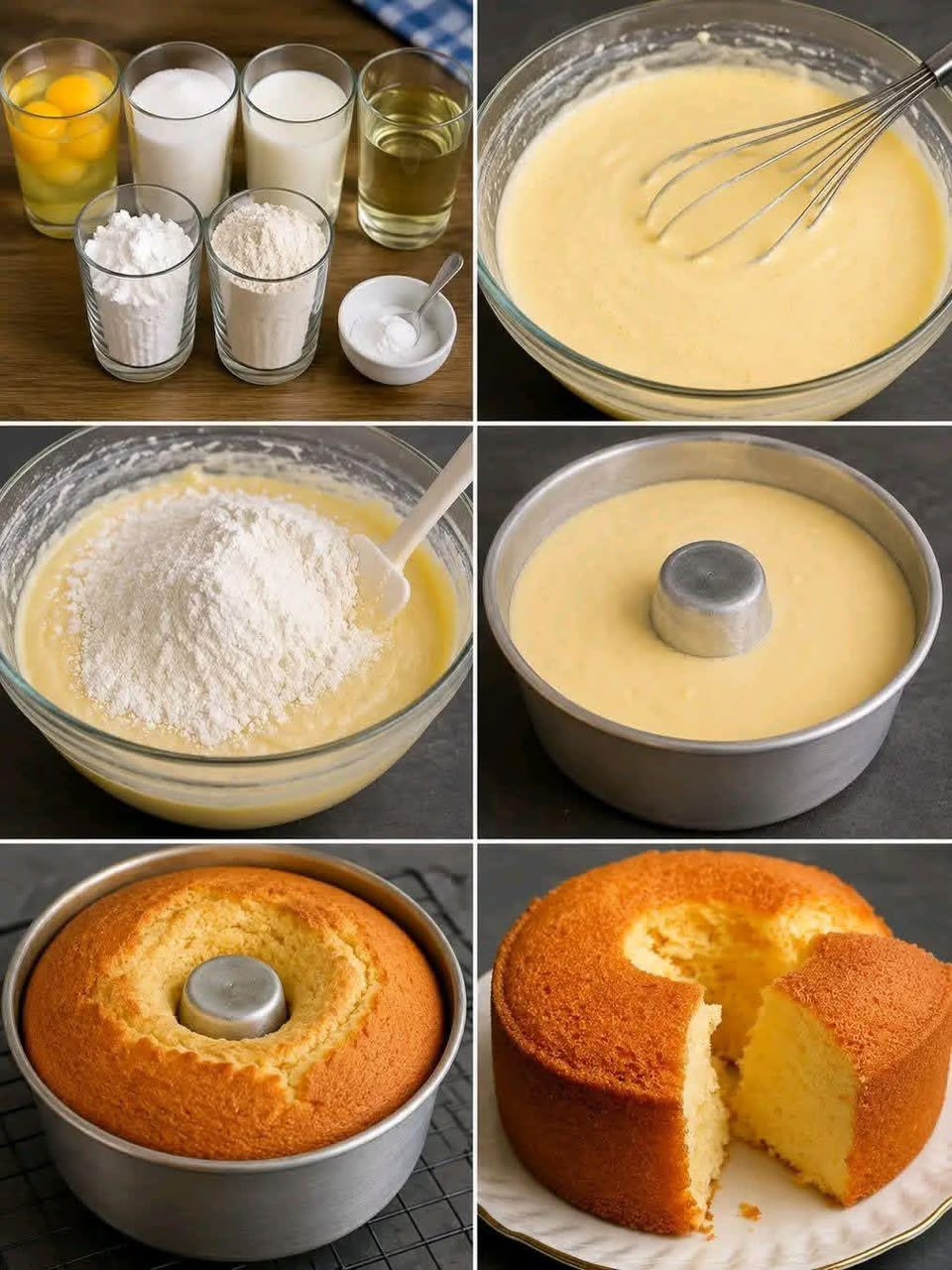
Baking a homemade cake from scratch is one of the most rewarding culinary experiences you can bring to your kitchen. Whether you are hosting a weekend family gathering, planning a cozy afternoon tea, or simply craving a sweet treat with your morning coffee, having a reliable, foolproof cake recipe is essential. Among all classic baked goods, a golden, yogurt-infused sponge cake stands out for its extraordinary texture, moisture, and delicate crumb.
Creating the perfect cake requires understanding the balance of ingredients, proper mixing techniques, and precise baking methods. From selecting fresh pantry staples to mastering the art of whipping batter and baking in a ring pan, this comprehensive guide provides everything you need to bake a professional-quality cake right at home.
1. Essential Ingredients for the Perfect Sponge Cake
The secret to a light, fluffy cake lies in the quality and proportion of its core ingredients. Unlike heavy, butter-laden desserts, this yogurt cake relies on simple, wholesome components that work together harmoniously.
+-------------------------------------------------------------------------------+
|                        KEY BAKING INGREDIENTS & MEASURES                      |
+------------------------------------+------------------------------------------+
| Fresh Eggs                         | Provide structure, lift, and moisture    |
| Granulated Sugar                   | Adds sweetness and tenderizes crumb      |
| Yogurt or Milk                     | Ensures exceptional crumb softness       |
| Vegetable Oil                      | Keeps the cake moist longer than butter  |
| All-Purpose Flour & Starch         | Creates a delicate, light texture        |
| Baking Powder                      | Acts as the primary leavening agent      |
+------------------------------------+------------------------------------------+
The Role of Dairy and Oil
Using yogurt or liquid milk in the batter introduces a subtle richness and acidity that activates the leavening agents, resulting in an exceptionally tender crumb. Meanwhile, using vegetable oil instead of solid butter ensures the cake retains its moisture for days without drying out.
2. Step-by-Step Preparation and Mixing Techniques
Achieving that signature golden dome and fluffy interior depends entirely on your mixing technique. Follow these steps to ensure success every time.
Step-by-Step Baking Method
-
Prepare Your Workspace and Pan: Preheat your oven to the desired baking temperature and grease a tube pan or ring cake mold thoroughly to prevent sticking.
-
Whisk Wet Ingredients: In a large mixing bowl, combine the eggs, sugar, milk or yogurt, and vegetable oil, whisking vigorously until smooth and pale.
-
Sift Dry Ingredients: Gently fold in the all-purpose flour, starch, and baking powder using a spatula to avoid overworking the gluten.
-
Pour and Bake: Transfer the smooth batter into your prepared pan and bake until golden brown and a toothpick inserted into the center comes out clean.
-
Cool and Serve: Let the cake cool in the pan for a few minutes before inverting it onto a wire rack to cool completely before slicing.
+-------------------------------------------------------------------------------+
|                      STEP-BY-STEP BAKING WORKFLOW                             |
+-----------------------------------+-------------------------------------------+
| 1. Preparation                    | Preheat oven and grease ring mold pan     |
| 2. Wet Mixing                     | Whisk eggs, sugar, oil, and yogurt/milk   |
| 3. Dry Folding                    | Gently fold in sifted flour and baking powder|
| 4. Baking                         | Bake until golden and springy to touch    |
+-----------------------------------+-------------------------------------------+
3. Practical Tips for Flawless Baking Results
-
Bring Ingredients to Room Temperature: Using room-temperature eggs and dairy ensures the batter emulsifies evenly and rises properly in the oven.
-
Do Not Overmix the Batter: Once you add the flour, fold gently until just combined. Overmixing develops gluten, which can make the cake dense.
-
Test for Doneness: Always insert a wooden toothpick into the thickest part of the cake to verify it is baked through before removing it from the oven.
-
Cool Before Slicing: Allowing the cake to cool completely prevents it from crumbling when you cut into it.
4. Fascinating Facts About Baking and Cakes
-
The Science of Emulsification: Whisking eggs and sugar together traps tiny air pockets that expand under heat, giving sponge cakes their natural lift without heavy chemical agents.
-
Global Popularity of Yogurt Cakes: Yogurt-based cakes are a staple in French households (known as gâteau au yaourt), prized because the yogurt container itself is traditionally used as the measuring cup.
-
The Origin of Tube Pans: The center tube in ring molds conducts heat directly to the center of the batter, ensuring even baking for tall, dense cakes.
-
Maillard Reaction: The golden-brown crust on a baked cake is the result of the Maillard reaction—a chemical reaction between amino acids and reducing sugars during baking.
5. Elevating Your Home Baking Skills
Mastering a classic yogurt cake opens the door to endless culinary creativity. You can easily customize the base recipe by adding citrus zest, vanilla bean paste, or a light dusting of powdered sugar. By following precise measurements and treating your ingredients with care, you can consistently produce bakery-quality treats that delight family and friends.
Enjoy the process, savor the aroma of freshly baked goods filling your home, and share a slice with the people you love!
Frequently Asked Questions (FAQ)
Can I use milk instead of yogurt in this cake recipe?
Yes, whole milk or buttermilk can be substituted, though yogurt provides extra moisture and a softer crumb due to its higher acidity and fat content.
Why did my cake sink in the middle?
A cake typically sinks if the oven door was opened too early during baking, if too much leavening agent was used, or if the flour was under-baked.
How should I store leftover cake to keep it moist?
Store the cake in an airtight container at room temperature for up to three days, or wrap it tightly and refrigerate it for up to a week.
What is the best pan to use for this cake?
A ring pan or tube pan works best because the center cone helps heat penetrate the thick batter evenly, resulting in a uniform rise.
