
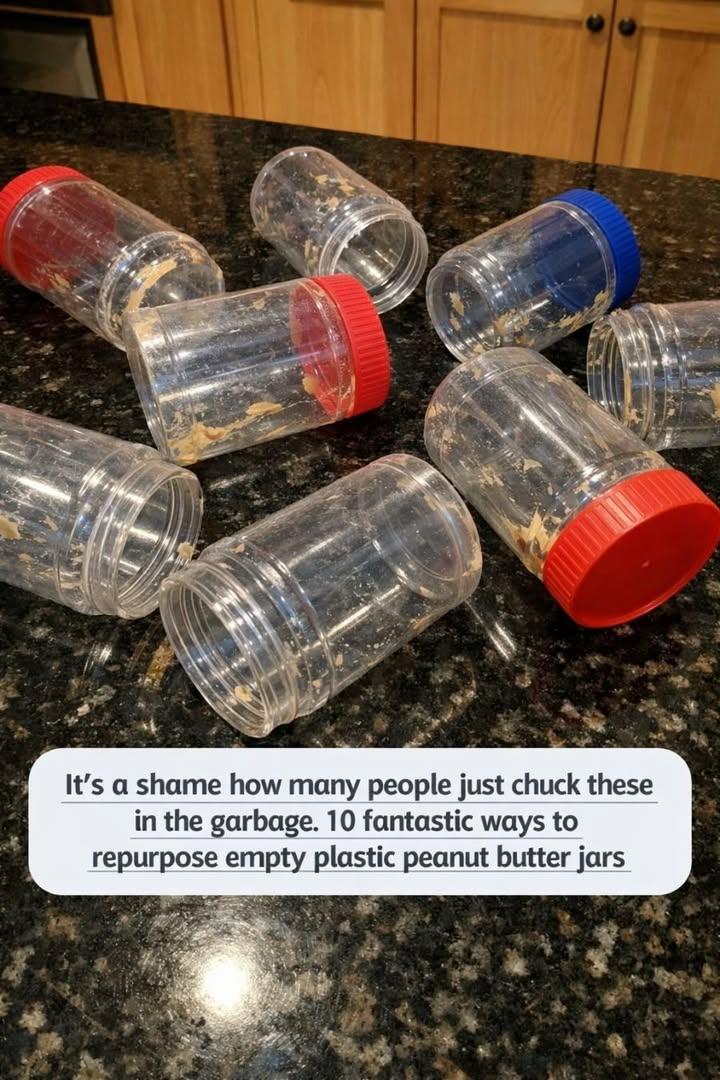
Embracing sustainable living and reducing household waste is one of the most rewarding ways to care for the environment while organizing your home. Everyday items like empty plastic peanut butter jars often end up discarded in the trash, yet their sturdy construction, secure lids, and transparent walls make them ideal candidates for creative upcycling. Whether you want to declutter your workspace, organize your pantry, or craft clever storage solutions, transforming these containers offers endless possibilities.
Creating an organized home through upcycling requires a bit of imagination, proper cleaning methods, and practical organizational strategies. From washing away stubborn residue to turning jars into handy dispensers, this comprehensive guide explores the best ways to repurpose plastic peanut butter jars right at home.
1. Essential Principles of Upcycling Plastic Jars
The secret to successful upcycling lies in thorough preparation and selecting the right storage projects for your home.
+-------------------------------------------------------------------------------+
|                      PLASTIC JAR UPCYCLING PRINCIPLES                         |
+------------------------------------+------------------------------------------+
| Thorough Cleaning and Degreasing   | Removes residual oils and peanut butter  |
| Label and Adhesive Removal         | Ensures a clean, transparent finish      |
| Strategic Sorting and Organization | Maximizes utility in different rooms     |
| Eco-Friendly Waste Reduction       | Keeps durable plastic out of landfills   |
+------------------------------------+------------------------------------------+
The Role of Proper Cleaning
Before repurposing any peanut butter jar, thoroughly washing it with hot, soapy water and a bit of baking soda is essential to eliminate lingering oils and food odors. Once cleaned and dried, these jars transform into crystal-clear storage containers ready for your creative projects.
2. Step-by-Step Jar Preparation and Upcycling
Turning discarded containers into functional home accessories involves a simple, structured preparation process. Follow these steps to get your jars ready.
Step-by-Step Method
-
Soak in Hot Water: Fill the empty jars with hot soapy water and let them sit for 30 minutes to loosen leftover peanut butter residue.
-
Scrub and Rinse: Wash the interior and exterior thoroughly, then rinse until completely clean.
-
Remove Labels: Peel off paper labels and use warm soapy water or eco-friendly adhesive removers to clear away sticky residue.
-
Dry Completely: Allow the jars and lids to air dry fully before using them for storage.
-
Fill and Organize: Utilize your clean jars for organizing craft supplies, pantry goods, or small hardware items.
+-------------------------------------------------------------------------------+
|                      STEP-BY-STEP UPCYCLING WORKFLOW                          |
+-----------------------------------+-------------------------------------------+
| 1. Soaking                        | Loosen leftover residue with hot water    |
| 2. Washing                        | Scrub interior and exterior thoroughly    |
| 3. De-labeling                    | Remove sticky glue and paper labels       |
| 4. Organizing                     | Fill with dry goods or craft supplies     |
+-----------------------------------+-------------------------------------------+
3. Practical Tips for Flawless Results
-
Store Dry Goods Safely: Use clean, airtight peanut butter jars in the pantry to store beans, rice, oats, pasta, or baking supplies.
-
Organize Garage Hardware: Mount jar lids to the underside of wooden shelves so you can easily twist jars on and off to store nails, screws, and washers.
-
Craft Supply Caddies: Keep beads, buttons, ribbons, and markers visible and tidy in children’s craft areas using lightweight plastic jars.
-
Bathroom Storage: Store cotton balls, cotton swabs, and bath salts securely away from moisture in shatterproof plastic containers.
4. Fascinating Facts About Plastic Upcycling
-
Durability of PET Plastic: Most peanut butter jars are made from polyethylene terephthalate (PET), a strong, shatter-resistant plastic designed to last for decades.
-
Landfill Impact: Reusing durable food packaging at home significantly reduces single-use plastic waste and lessens environmental burdens.
-
Versatile Modifications: Plastic jars can be easily cut, painted, drilled, or labeled to match any home decor theme.
-
Child-Safe Material: Unlike glass jars, lightweight plastic peanut butter jars will not shatter if dropped, making them safe for kids’ rooms and play spaces.
5. Elevating Your Sustainable Home
Mastering simple upcycling projects allows you to combine creativity with practical home organization. By turning everyday packaging into valuable storage solutions, you reduce waste, save money, and create a tidier, more sustainable living space.
Enjoy your upcycling journey, get creative with your storage ideas, and share your favorite tips with friends and family!
Frequently Asked Questions (FAQ)
How can I get rid of lingering peanut butter odors in plastic jars?
Soaking the washed jar with a mixture of warm water, baking soda, and a splash of white vinegar overnight is highly effective at neutralizing stubborn food odors.
Are plastic peanut butter jars safe for food storage?
Yes, most peanut butter jars are made from food-grade PET plastic, making them completely safe for storing dry pantry goods like rice, pasta, and snacks once thoroughly cleaned.
How do I remove sticky glue residue left behind by labels?
Rubbing vegetable oil, coconut oil, or an eco-friendly adhesive remover onto the sticky spot will break down the glue so it can be easily wiped away.
Can these plastic jars be used in the dishwasher?
Most plastic peanut butter jars are made of thin-walled PET plastic that can warp under high heat, so hand-washing with warm (not boiling) water is strongly recommended.
