
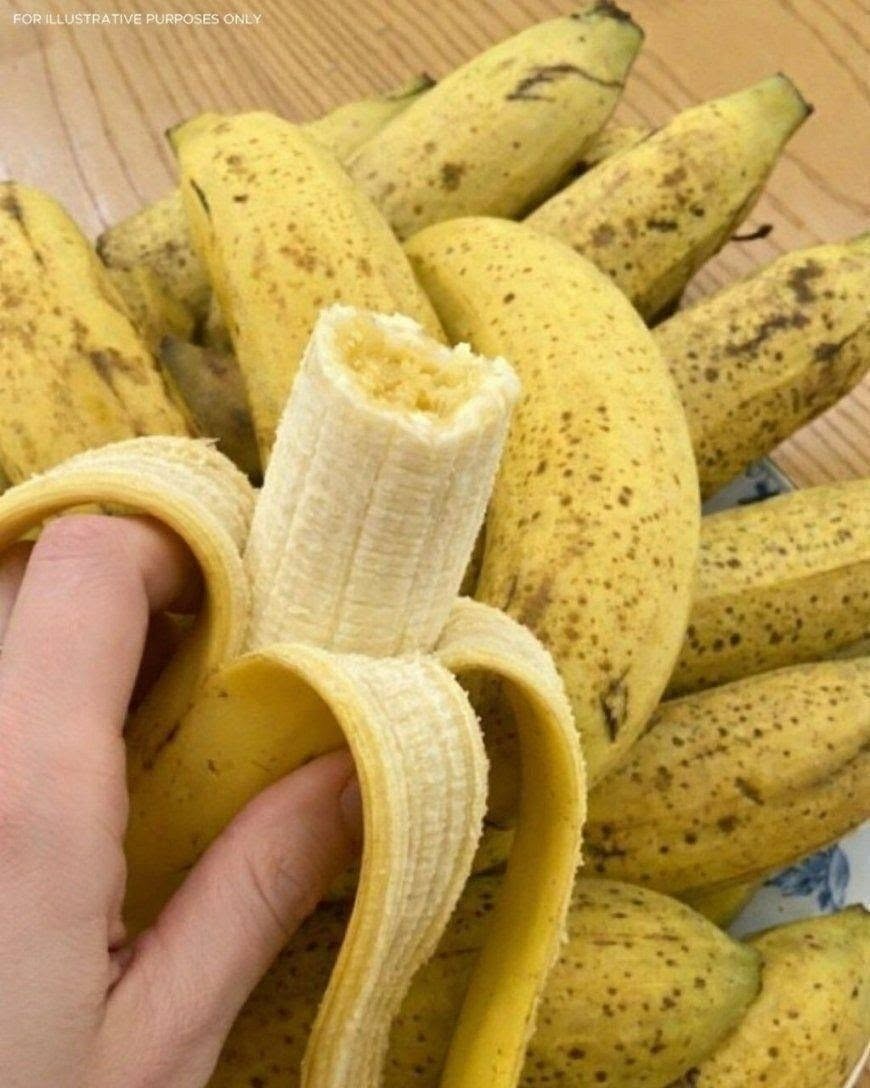
Bringing wholesome, nutrient-rich foods from the market straight to your kitchen table is one of the most rewarding parts of healthy cooking and meal preparation. Among all everyday fruits, versatile and potassium-rich bananas stand out for their sweet flavor, natural energy boost, and unique growth and peeling characteristics. Whether you are packing a quick snack, baking homemade treats, or tossing slices into a fresh breakfast bowl, understanding how to select, store, and utilize fresh bananas is essential for every food lover.
Creating delicious culinary dishes and maintaining a balanced, healthy lifestyle requires understanding the balance of nutritional value, proper storage methods, and versatile preparation techniques. From picking the highest quality fruit to mastering storage methods to prevent over-ripening, this comprehensive guide provides everything you need to enjoy premium bananas right at home.
1. Essential Principles for Selecting and Storing Bananas
The secret to maintaining the fresh taste and firm texture of bananas lies in proper storage and timing your consumption. Because bananas continue to ripen after harvest due to natural ethylene gas production, they require careful handling to preserve their quality.
+-------------------------------------------------------------------------------+
|                      BANANA SELECTION & STORAGE GUIDE                         |
+------------------------------------+------------------------------------------+
| Ripeness Inspection                | Check firmness and peel color balance    |
| Hanging Storage                    | Reduces bruising and promotes airflow    |
| Temperature Control                | Slows down the ripening process          |
| Balanced Daily Nutrition           | Provides natural energy and potassium    |
+------------------------------------+------------------------------------------+
The Role of Natural Ripening and Storage
Using fresh bananas introduces essential potassium, dietary fiber, and natural carbohydrates into your daily diet. Storing bananas away from other ethylene-sensitive produce or hanging them on a hook helps prevent premature bruising and keeps your fruit fresh for days.
2. Step-by-Step Preparation and Culinary Uses
Achieving that signature sweet flavor and enhancing your favorite recipes depends entirely on how you prepare your bananas. Follow these steps to get the most out of your ingredients.
Step-by-Step Method
-
Inspect and Sort: Examine your bananas to ensure they meet your preferred ripeness level, from firm and starchy to sweet and spotted.
-
Peel Gently: Peel the banana carefully from either end to remove the skin without damaging the soft fruit inside.
-
Slice or Use Whole: Depending on your recipe, slice the bananas for oatmeal toppings or keep them whole for on-the-go snacking.
-
Incorporate into Recipes: Add them into your favorite smoothies, banana bread batters, or pancake mixes.
-
Store Leftovers: Keep peeled or sliced bananas in an airtight container with a splash of lemon juice to prevent browning.
+-------------------------------------------------------------------------------+
|                      STEP-BY-STEP BANANA PREPARATION WORKFLOW                 |
+-----------------------------------+-------------------------------------------+
| 1. Inspection                     | Check banana ripeness and peel quality    |
| 2. Peeling                        | Remove skin carefully from either end     |
| 3. Preparation                    | Slice or keep whole for your recipe       |
| 4. Storage                        | Seal cut fruit to prevent browning        |
+-----------------------------------+-------------------------------------------+
3. Practical Tips for Flawless Results
-
Buy in Varied Ripeness: Purchase a mix of green and yellow bananas so they ripen gradually throughout the week.
-
Wrap the Crown: Wrap plastic wrap tightly around the stem cluster to slow down ethylene gas release and extend shelf life.
-
Freeze Overripe Fruit: Peel and freeze overripe bananas in freezer bags to use later in smoothies and baking.
-
Pair with Nut Butters: Bananas complement everything from peanut butter and honey to yogurt and chocolate chips.
4. Fascinating Facts About Bananas
-
Unique Growth Habit: Bananas grow in large, hanging clusters known as “hands” attached to a massive herbaceous plant rather than a traditional tree.
-
Natural Protection: The thick outer peel provides a hygienic, biodegradable casing that protects the sweet fruit inside from pests and environmental elements.
-
Nutrient Density: Bananas are naturally rich in essential minerals such as potassium and vitamin B6, supporting overall heart and muscle health.
-
Global Cultivation: Banana plants thrive in tropical climates worldwide, making them one of the most widely consumed and traded fruits on Earth.
5. Elevating Your Culinary Skills
Mastering the use of versatile ingredients like bananas opens up endless culinary possibilities for your home kitchen. Whether you enjoy them fresh as a quick morning snack, baked into comforting desserts, or blended into creamy smoothies, incorporating high-quality fruit adds unbeatable flavor and nutrition to your meals.
Enjoy the culinary journey, savor the natural sweetness, and share your homemade creations with family and friends!
Frequently Asked Questions (FAQ)
How can I keep my bananas from turning brown too quickly?
Separating the bananas from the bunch and wrapping their stems tightly in plastic wrap significantly slows down the release of ripening gases.
Is it better to store bananas in the refrigerator?
Storing unripe bananas in the fridge can interrupt their natural ripening process and discolor the peel, so it is best to keep them at room temperature until ripe.
Can overripe bananas still be eaten?
Yes, bananas with brown spots are exceptionally sweet and tender, making them ideal for baking banana bread, muffins, or blending into smoothies.
Why do bananas curve as they grow?
Bananas exhibit a process called negative geotropism, growing upwards toward the sun against gravity, which gives them their characteristic curved shape.
