
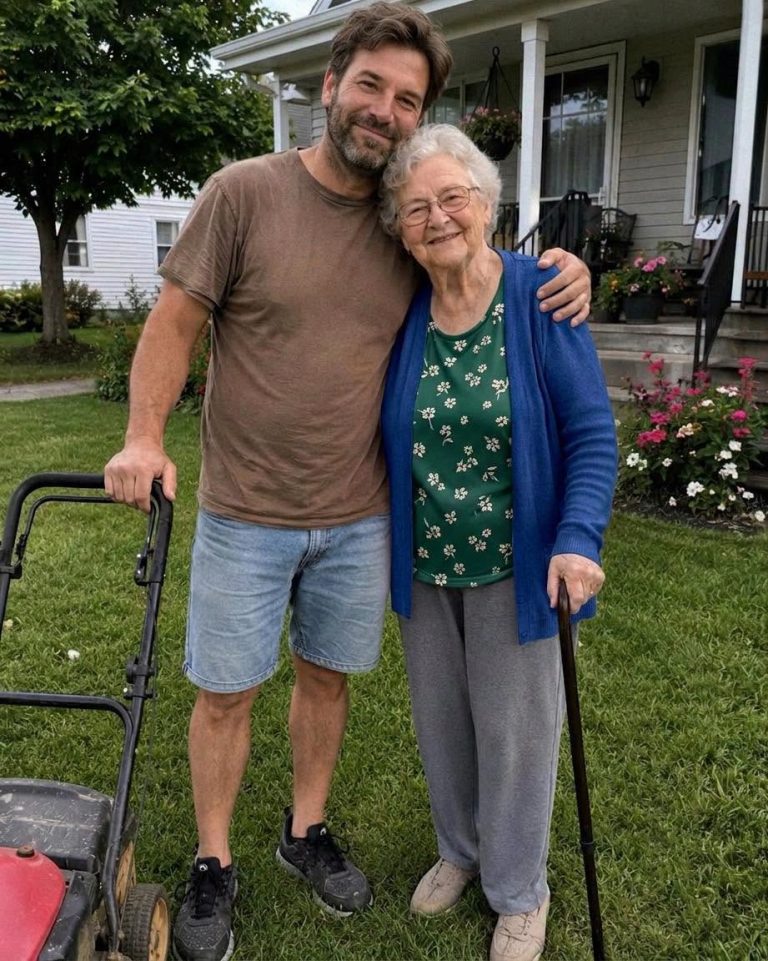
Living in a vibrant, supportive neighborhood is one of the greatest joys of homeownership and community life. Beyond maintaining our own properties and managing daily routines, looking out for elderly neighbors fosters a deep sense of connection, security, and mutual respect. Whether it involves lending a hand with routine yard work, assisting with heavy chores, or simply sharing a warm conversation, small acts of kindness play a profound role in enhancing the well-being of older adults in our communities.
Understanding the Challenges of Independent Living in Later Years
As individuals age, maintaining a home and managing residential upkeep can become increasingly physically demanding. Tasks that once felt effortless—such as mowing the lawn, clearing walkways, trimming hedges, and carrying groceries—can present significant physical challenges or safety hazards for seniors living independently.
When neighbors step in to assist with these routine responsibilities, it relieves a tremendous amount of stress and helps older adults maintain their independence and dignity within their familiar home environments. Building intergenerational relationships within a neighborhood creates a safety net where everyone feels valued and supported.
Step-by-Step Approach to Community Care and Assistance
Developing a thoughtful approach to helping neighbors ensures your efforts are welcoming, effective, and respectful of their independence.
Assessing Neighborhood Needs and Establishing Communication
Begin by simply checking in with your elderly neighbors on a regular basis. Friendly conversations can help you identify areas where they might appreciate a helping hand, whether it is seasonal lawn care, minor home repairs, or help with running errands.
Organizing Regular Support Networks
Coordinate with other local residents to establish a shared schedule for neighborhood assistance. By dividing tasks such as lawn mowing, snow shoveling, or garden maintenance among community members, you create a sustainable support system that benefits everyone involved without overwhelming any single individual.
Practical Tips for Being a Supportive Neighbor
To ensure your community outreach is helpful and well-received, consider incorporating these practical guidelines:
-
Always ask permission before undertaking yard work or home maintenance projects on a neighbor’s property to respect their autonomy.
-
Offer assistance in a warm, friendly manner that emphasizes community connection rather than obligation.
-
Coordinate with family members or primary caregivers to ensure everyone is aligned on the support being provided.
-
Take time to listen to your neighbors’ stories and experiences, fostering meaningful social bonds that combat isolation in older age.
Interesting Facts About Neighborhood Social Capital
-
The Impact of Social Connection: Studies show that strong neighborhood ties and regular social interactions significantly improve mental health, reduce feelings of loneliness, and enhance overall longevity among older adults.
-
The Value of Walkable Communities: Neighborhoods with active community engagement and well-maintained outdoor spaces encourage residents of all ages to spend more time outdoors, promoting physical health.
-
Intergenerational Benefits: Assisting elderly residents provides younger generations with valuable life perspectives, instilling a strong sense of empathy, civic duty, and community spirit.
Conclusion
Caring for aging neighbors and building strong community bonds transforms a simple residential street into a true home. By offering a helping hand with everyday tasks like lawn maintenance and yard work, we honor the wisdom of older generations while creating a safer, more compassionate environment for everyone. Embrace the power of community and discover how small acts of kindness can brighten someone’s day.
FAQ Section
How can I best offer help to an elderly neighbor without offending them?
Approaching them with genuine warmth, offering assistance as part of a neighborly favor rather than viewing them as incapable, and asking specific questions about what they might need helps maintain their dignity.
What are some safe ways to help seniors with outdoor property maintenance?
Offering to share your lawn mower equipment, tackling heavy physical chores like mowing or raking, and keeping walkways clear of hazards are wonderful ways to assist safely.
Why is community support so important for aging adults?
Community support helps seniors remain safely in their own homes for longer periods, reduces social isolation, and ensures they have a reliable network of assistance nearby in case of emergencies.
