
Introduction
Our skin often acts as a mirror, reflecting our overall health, sun exposure history, and natural aging process. From time to time, you might notice small, unexpected changes in your skin pigmentation, such as tiny white spots appearing on your arms or legs. While these spots are frequently harmless, understanding what causes them can help you care for your skin properly.
Managing personal wellness, skincare routines, and household investments requires attention to detail and proactive care. This comprehensive guide explores the common reasons behind small white spots on the skin, how to protect your complexion, and when to seek professional dermatological advice.
Common Causes of Small White Spots on the Skin
Pigmentation changes can occur for several distinct reasons, ranging from cumulative sun exposure to minor dermatological conditions.
1. Idiopathic Guttate Hypomelanosis (IGH)
-
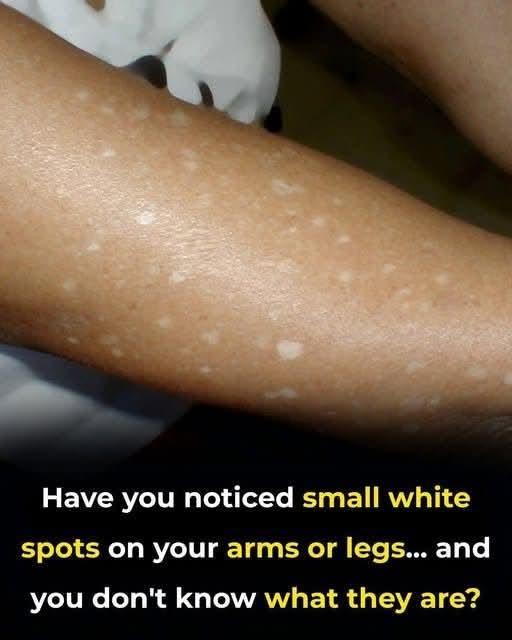
What it is: These are small (usually 1 to 10 millimeters), flat, porcelain-white spots that commonly appear on sun-exposed areas like the shins, arms, and forearms.
-
The Cause: IGH is widely considered a harmless, normal part of skin aging and cumulative lifetime ultraviolet (UV) sun exposure, which gradually reduces the skin’s local melanin-producing cells.
2. Tinea Versicolor
-
What it is: A common, non-contagious fungal condition caused by an overgrowth of yeast on the skin’s surface.
-
The Cause: While it can produce discolored patches that appear lighter or darker than the surrounding skin, it is easily treated with antifungal washes or topical creams prescribed by a professional.
3. Post-Inflammatory Hypopigmentation
-
What it is: Temporary lightening of the skin that occurs after a minor injury, scrape, rash, or inflammatory skin condition heals.
-
The Cause: Trauma to the skin can temporarily disrupt melanin production, leaving lighter patches that typically regain their normal pigment over time.
Practical Tips for Skin Health and Protection
-
Daily Sun Protection: Apply a broad-spectrum sunscreen with an SPF of 30 or higher daily to sun-exposed areas like your arms and legs to prevent further pigment changes and reduce the risk of IGH.
-
Gentle Hydration: Keep your skin well-moisturized with fragrance-free lotions to maintain a healthy skin barrier and prevent dryness.
-
Consult a Dermatologist: If you notice sudden changes in your skin, rapidly spreading spots, or if blemishes become itchy or irritated, schedule a visit with a board-certified dermatologist for an accurate diagnosis.
Interesting Facts About Skin Pigmentation
-
Melanin’s Role: Melanin is the natural pigment responsible for giving color to our skin, hair, and eyes, acting as our body’s built-in defense mechanism against UV radiation.
-
Commonality of IGH: Studies show that idiopathic guttate hypomelanosis affects a large percentage of adults as they age, particularly individuals with fair skin who have had significant lifetime sun exposure.
-
Non-Contagious Nature: Age-related white spots like IGH are completely benign and non-contagious, meaning they cannot be spread from person to person.
Conclusion
Noticing small white spots on your limbs can be puzzling, but they are often just a harmless reminder of our skin’s history with the sun and natural aging. By practicing consistent sun protection and consulting professionals when necessary, you can keep your skin looking and feeling its absolute best.
Frequently Asked Questions (FAQ)
Are small white spots on the arms and legs dangerous?
Most common white spots, such as idiopathic guttate hypomelanosis, are entirely benign and pose no health risks. However, any new or changing skin spot should be evaluated by a professional.
Can white spots from sun exposure be reversed?
While age-related spots like IGH typically do not disappear on their own, dermatological treatments like fractional lasers or topical retinoids can sometimes help improve their appearance.
How can I tell the difference between dry skin and pigment loss?
Dry skin usually presents with flaking, itching, and temporary roughness that resolves with moisturizing, whereas white spots involve a permanent or semi-permanent loss of skin color.
