
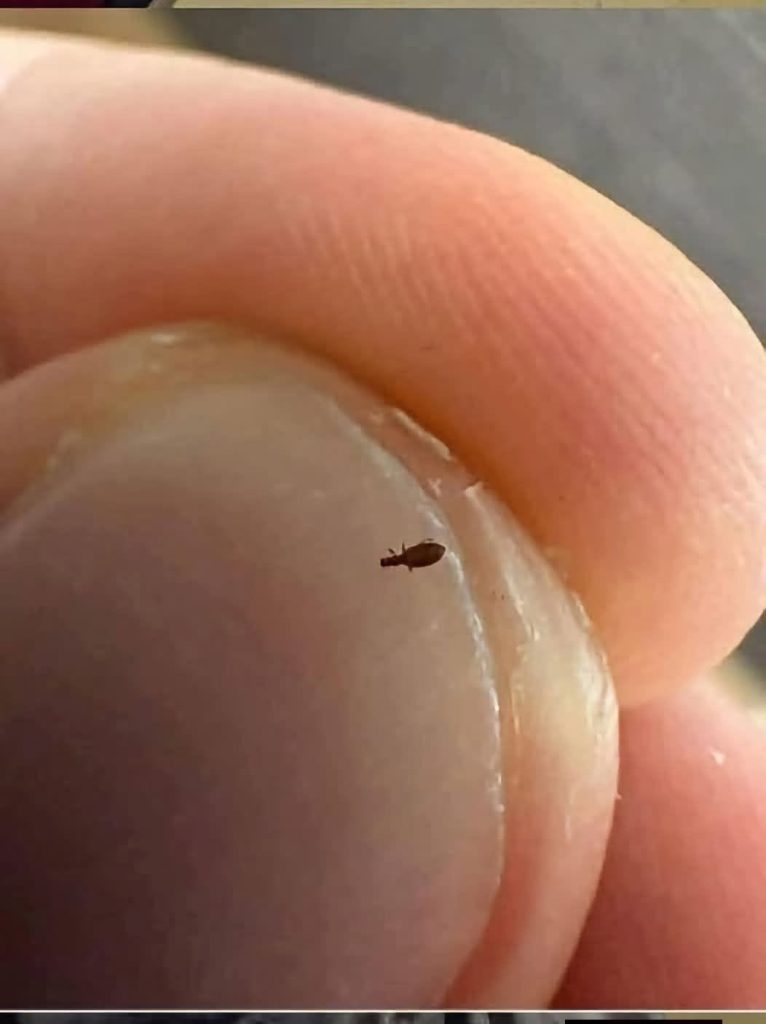
Introduction
Finding a tiny, unexpected insect crawling on your kitchen counter, furniture, or pantry shelves can be startling. While many homeowners immediately worry about destructive pests, a large number of minuscule bugs are actually harmless pantry or grain insects that find their way into our homes through packaged dry goods.
Managing household cleanliness, food storage, and general home maintenance requires careful attention to detail, much like organizing your personal finance or planning a sound family business strategy. This comprehensive guide explores the identification of small household bugs, safe removal methods, and how to protect your pantry from unwanted pests.
Common Tiny Pests Found in the Home
When encountering a very small insect, identifying its type is the first step toward effective management and prevention.
1. Pantry Weevils and Grain Beetles
-
What they are: Tiny, slender beetles—such as saw-toothed grain beetles or rice weevils—that measure only a couple of millimeters in length.
-
The Cause: They frequently enter homes inside commercially packaged dry goods like flour, rice, oatmeal, pasta, and cereals, where they feed and multiply.
2. Booklice (Psocids)
-
What they are: Extremely small, pale, soft-bodied insects that thrive in humid environments.
-
The Cause: They feed on microscopic molds, starch, and book bindings in damp areas such as basements, pantries, and bathrooms.
3. Thrips and Minor Plant Pests
-
What they are: Tiny, slender winged insects that occasionally wander indoors from outdoor gardens or house plants.
-
The Cause: They are generally harmless to humans and structures, though they can sometimes damage indoor foliage.
Practical Tips for Pest Prevention and Pantry Management
-
Inspect Dry Goods: Check newly purchased bags of flour, grains, and pet food for tiny holes or signs of insect activity before storing them in your pantry.
-
Use Airtight Containers: Transfer opened dry goods from cardboard boxes or paper bags into heavy-duty, airtight glass or plastic containers to contain and prevent pest infestations.
-
Control Humidity: Use dehumidifiers in damp areas like basements and pantries to eliminate the moisture that attracts moisture-loving insects like booklice.
Interesting Facts About Household Insects
-
Rapid Reproduction: Many grain pests can complete their entire life cycle from egg to adult in just a few weeks under warm, humid conditions, allowing populations to grow quickly if left unchecked.
-
Non-Toxic Nature: Common pantry beetles and weevils do not bite, sting, or transmit diseases to humans, making them a nuisance rather than a medical hazard.
-
Global Hitchhikers: Grain-infesting insects have traveled alongside human trade routes for thousands of years, thriving wherever dry agricultural products are stored.
Conclusion
Spotting a tiny bug on your finger or kitchen counter doesn’t have to cause panic. By understanding what these small insects are and taking proactive steps to secure your pantry, you can keep your home clean, comfortable, and pest-free.
Frequently Asked Questions (FAQ)
Are tiny pantry bugs harmful to eat?
Accidentally consuming cooked weevils or grain beetles in dry goods is generally harmless and does not cause illness, though discarding heavily infested food is recommended for quality reasons.
How do bugs get into sealed packages?
Many pantry pests can chew through thin plastic or cardboard packaging, or they may have entered the package as microscopic eggs during the manufacturing and packaging process.
What is the best way to get rid of a pantry infestation?
Discard any infested food items, thoroughly vacuum and wipe down pantry shelves with a vinegar-water solution, and store all future dry goods in airtight containers.
