
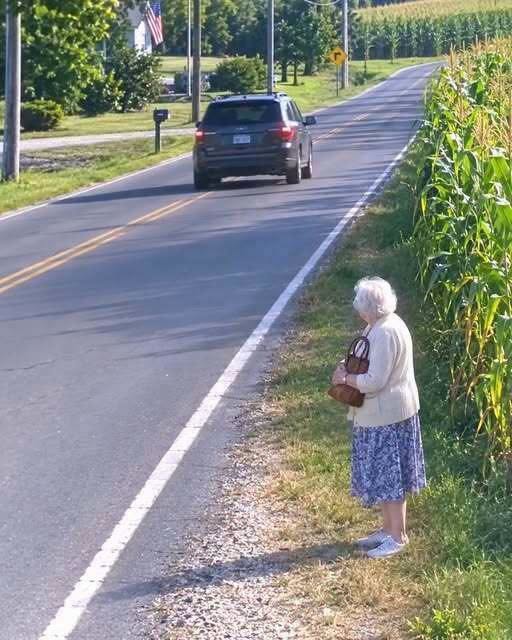
Navigating rural infrastructure and understanding pedestrian safety along country roads is an important aspect of community living and public safety. Rural highways and two-lane country roads often present unique challenges for both drivers and pedestrians due to high speed limits, narrow shoulders, limited sidewalks, and natural obstructions like cornfields or winding curves. Fostering a culture of awareness, caution, and neighborly care ensures that everyone—from local residents to traveling motorists—can share the roadway safely.
Understanding Pedestrian Safety on Rural Highways
Walking along rural roads requires heightened vigilance. Unlike urban areas equipped with extensive pedestrian crosswalks, traffic lights, and designated sidewalks, rural routes often force pedestrians to walk close to active traffic lanes.
When vulnerable individuals, such as elderly community members or children, navigate these spaces, drivers must exercise extreme caution. Reduced visibility around agricultural fields, blind corners, and varying weather conditions make attentiveness critical. Communities that prioritize pedestrian safety through clear visibility, reduced speeds, and mutual respect significantly lower the risk of tragic accidents.
Step-by-Step Approach to Community Road Safety and Awareness
Promoting safe practices along rural roadways involves active participation from both motorists and pedestrians.
Best Practices for Pedestrians in Rural Areas
Pedestrians walking along rural roads should always face oncoming traffic when possible, wear high-visibility or bright clothing, and remain alert to approaching vehicles, especially in areas with limited shoulders.
Responsibilities for Motorists
Drivers should remain constantly vigilant when traveling through rural corridors, respecting speed limits, maintaining a safe distance from pedestrians, and staying alert for unexpected obstacles or individuals walking along the roadside.
Practical Tips for Enhancing Roadway Safety
To keep your local community safe and ensure harmonious sharing of rural roads, consider implementing these practical recommendations:
-
Always remain alert and minimize distractions, such as mobile phone use, while driving through rural and residential areas.
-
Support local infrastructure improvements, such as adding wider walking paths, clear signage, and reflective markers along high-traffic country roads.
-
Check on elderly neighbors or community members who may walk along rural routes to ensure they have safe transportation options.
-
Report hazardous road conditions, overgrown vegetation, or obstructed visibility to local transportation departments promptly.
Interesting Facts About Rural Infrastructure
-
The Design of Country Roads: Many rural two-lane roads were originally engineered decades ago for lower traffic volumes, making modern updates for pedestrian safety crucial.
-
Agricultural Sight Lines: Tall crops like corn planted close to road edges can significantly obstruct visibility for both drivers and pedestrians during peak growing seasons.
-
Community Vigilance: Rural communities often rely heavily on informal neighborhood watchfulness and mutual care to support vulnerable residents traveling on foot.
Conclusion
Understanding rural road safety and prioritizing pedestrian awareness protects our loved ones and strengthens community bonds. By combining cautious driving habits, proactive infrastructure support, and genuine neighborly care, we can ensure safer travels for everyone. Stay aware, look out for one another, and keep your community safe.
FAQ Section
What are the main hazards for pedestrians on rural roads?
Key hazards include high vehicle speeds, narrow or non-existent shoulders, poor lighting, and obstructed sight lines caused by vegetation or terrain.
How can drivers improve safety when encountering pedestrians on country roads?
Drivers should slow down, give a wide berth when passing, and stay fully focused on the roadway, especially near residential driveways and farms.
What should communities do to protect pedestrians where sidewalks are missing?
Advocating for paved shoulders, speed reduction signs, brush clearing, and improved lighting are effective ways to enhance pedestrian safety.
