
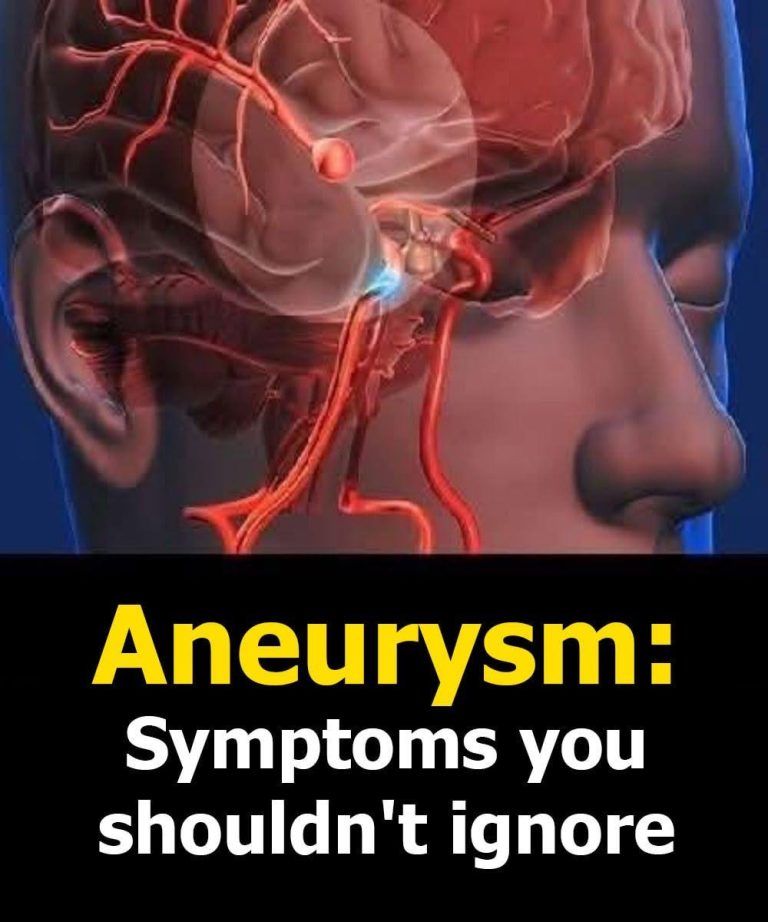
Navigating complex medical topics and understanding critical health warning signs is an essential part of prioritizing overall well-being and proactive medical care. From cardiovascular health to neurological awareness, recognizing the subtle or sudden indicators of serious medical conditions can save lives. Exploring reliable, evidence-based information regarding serious medical events like brain aneurysms empowers individuals to seek timely professional medical attention when it matters most.
Understanding Brain Aneurysms and Vascular Health
A brain aneurysm is a localized, weak spot on the wall of a blood vessel in the brain that causes the vessel to bulge or balloon outward. While many small aneurysms remain undetected and asymptomatic throughout a person’s life, others can leak or rupture, leading to dangerous bleeding inside the brain known as a hemorrhagic stroke.
Understanding the vascular system highlights why maintaining healthy blood pressure, avoiding smoking, and attending regular medical checkups are vital components of preventive health. When an aneurysm does rupture, it often presents with a sudden, severe medical emergency that requires immediate intervention by emergency healthcare professionals.
Step-by-Step Approach to Recognizing Symptoms and Seeking Care
Being aware of potential warning signs and knowing how to respond in a medical emergency is crucial for personal and public safety.
Recognizing Warning Signs and Sudden Symptoms
Unruptured aneurysms may sometimes cause localized symptoms such as persistent headaches, numbness, weakness on one side of the face, or vision changes due to pressure on surrounding brain tissue. In contrast, a ruptured aneurysm typically triggers a sudden, excruciating headache often described as the “worst headache of your life,” accompanied by nausea, vomiting, stiffness in the neck, or sudden confusion.
Taking Immediate Action in Medical Emergencies
If someone exhibits signs of a sudden, severe headache or neurological deficits, calling emergency services immediately is critical. Quick transport to a hospital emergency department allows specialists to perform diagnostic imaging, such as a CT scan or MRI, and provide life-saving treatment.
Practical Tips for Promoting Vascular Wellness
To support long-term cardiovascular and cerebrovascular health, consider incorporating these practical recommendations:
-
Maintain healthy blood pressure levels through balanced nutrition, regular physical activity, and prescribed medications if monitored by a doctor.
-
Avoid smoking and tobacco use, as these habits weaken blood vessel walls and increase the risk of aneurysms.
-
Schedule regular wellness exams with your primary care physician to monitor risk factors like hypertension and family medical history.
-
Seek immediate medical evaluation for any unusually severe, sudden headaches or unexplained neurological symptoms rather than waiting for them to pass.
Interesting Facts About Cerebral Aneurysms
-
The Nature of Bulging Vessels: Aneurysms frequently develop at branching points in major arteries at the base of the brain where blood flow pressure is highest.
-
Silent Conditions: Many unruptured brain aneurysms produce no symptoms at all and are often discovered incidentally during imaging scans performed for other reasons.
-
Emergency Response: Advanced neurosurgical and endovascular techniques allow medical professionals to treat many aneurysms successfully before or after rupture, highlighting the importance of rapid emergency care.
Conclusion
Understanding brain aneurysms and recognizing critical symptoms ensures you are prepared to act swiftly in a health crisis. By prioritizing vascular wellness, listening to your body, and seeking prompt medical attention for red-flag symptoms, you protect your long-term health and safety. Stay informed, stay vigilant, and consult healthcare professionals for personalized medical guidance.
FAQ Section
What are the common symptoms of an unruptured brain aneurysm?
While often asymptomatic, unruptured aneurysms can sometimes cause localized headaches, dilated pupils, vision changes, or pain behind the eye.
What does a ruptured brain aneurysm feel like?
A ruptured aneurysm typically causes a sudden, explosive, and severe headache often referred to as a “thunderclap” headache, frequently accompanied by loss of consciousness, nausea, or stiff neck.
Why is immediate medical attention necessary for suspected aneurysm symptoms?
Because a ruptured aneurysm causes bleeding in the brain, it is a life-threatening medical emergency requiring immediate diagnosis and specialized emergency treatment.
