
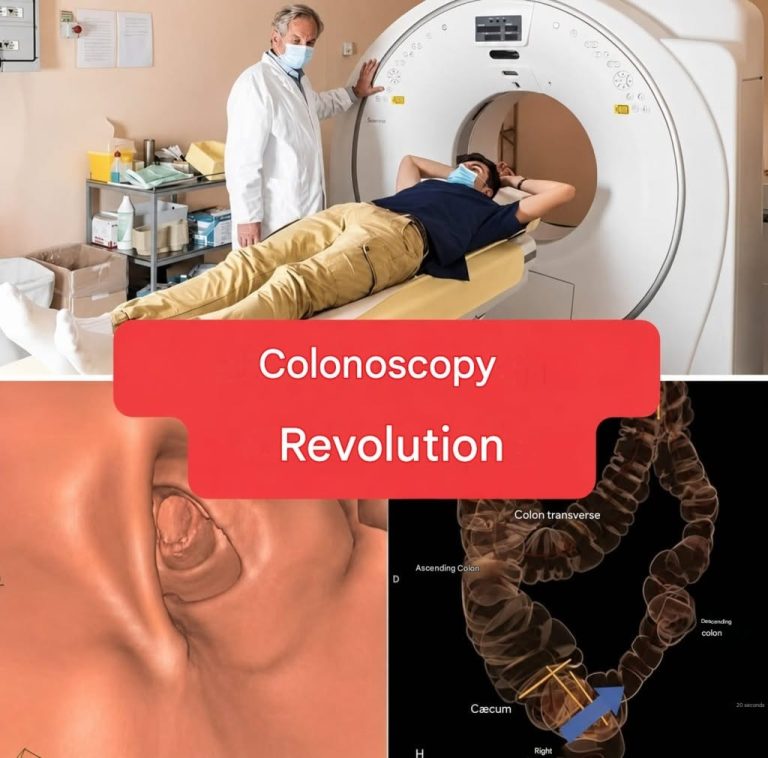
Navigating modern medical advancements and understanding diagnostic health procedures is an essential part of prioritizing long-term wellness and preventive care. From routine screenings to cutting-edge imaging technologies, staying informed about how healthcare innovations detect and prevent serious conditions empowers individuals to take charge of their health. Exploring reliable, evidence-based information regarding diagnostic tools like virtual colonoscopies ensures that patients understand their options in consultation with medical professionals.
Understanding Virtual Colonoscopy and Diagnostic Imaging
A virtual colonoscopy, also known as computed tomographic colonography (CTC), is an advanced medical imaging procedure that uses a CT scanner to produce detailed, three-dimensional views of the large intestine and rectum. This non-invasive technique allows radiologists to inspect the colon for polyps, masses, or other abnormalities without the need for a traditional physical scope.
While virtual colonoscopies offer a less invasive alternative for screening, they still require standard bowel preparation beforehand. Furthermore, if a suspicious polyp or abnormality is detected during the scan, a conventional colonoscopy is typically required to remove the tissue or perform a biopsy. Understanding these diagnostic nuances highlights the importance of discussing screening choices with a gastroenterologist or primary care physician.
Step-by-Step Approach to Preventive Screening and Consultation
Being proactive about colorectal health involves careful preparation and open communication with your healthcare provider.
Preparing for Screening Procedures
Whether opting for a traditional or virtual colonoscopy, following precise dietary instructions and bowel preparation guidelines provided by your medical team is crucial for ensuring accurate imaging results.
Consulting Medical Professionals
Discussing your age, family history, and personal risk factors with a doctor helps determine the most appropriate and effective screening schedule to protect your digestive health.
Practical Tips for Maintaining Colorectal Wellness
To support your long-term health and ensure proactive screening, consider incorporating these practical recommendations:
-
Schedule routine colorectal cancer screenings starting at the age recommended by your healthcare provider or established medical guidelines.
-
Maintain a balanced diet rich in fiber, whole grains, fruits, and vegetables to support optimal digestive health.
-
Stay physically active and maintain a healthy weight to reduce various long-term health risks.
-
Consult with medical professionals to weigh the pros and cons of different screening methods based on your individual health profile.
Interesting Facts About Colorectal Screening
-
Advanced 3D Imaging: Modern CT scanners can generate intricate 3D models of the colon, allowing doctors to view internal structures from multiple angles.
-
Preventive Impact: Regular screenings can detect precancerous polyps before they develop into cancer, making early detection one of the most effective tools in modern medicine.
-
Complementary Tools: While virtual colonoscopy provides excellent imaging, a follow-up intervention is still necessary if physical tissue removal is required.
Conclusion
Understanding advanced medical screening options empowers you to make informed decisions about your preventive healthcare. By prioritizing regular checkups, maintaining a healthy lifestyle, and consulting medical experts, you can safeguard your long-term well-being. Stay informed, stay proactive, and take charge of your health today.
FAQ Section
What is a virtual colonoscopy?
A virtual colonoscopy is a medical imaging procedure utilizing a CT scanner to create three-dimensional images of the colon and rectum to check for polyps or abnormalities.
Do I still need bowel prep for a virtual colonoscopy?
Yes, a clean bowel is required for virtual colonoscopies so that radiologists can clearly view the intestinal walls without interference from residual stool.
What happens if a polyp is found during a virtual colonoscopy?
If a polyp or suspicious lesion is discovered, a conventional colonoscopy is usually scheduled to remove the tissue or perform a biopsy.
