
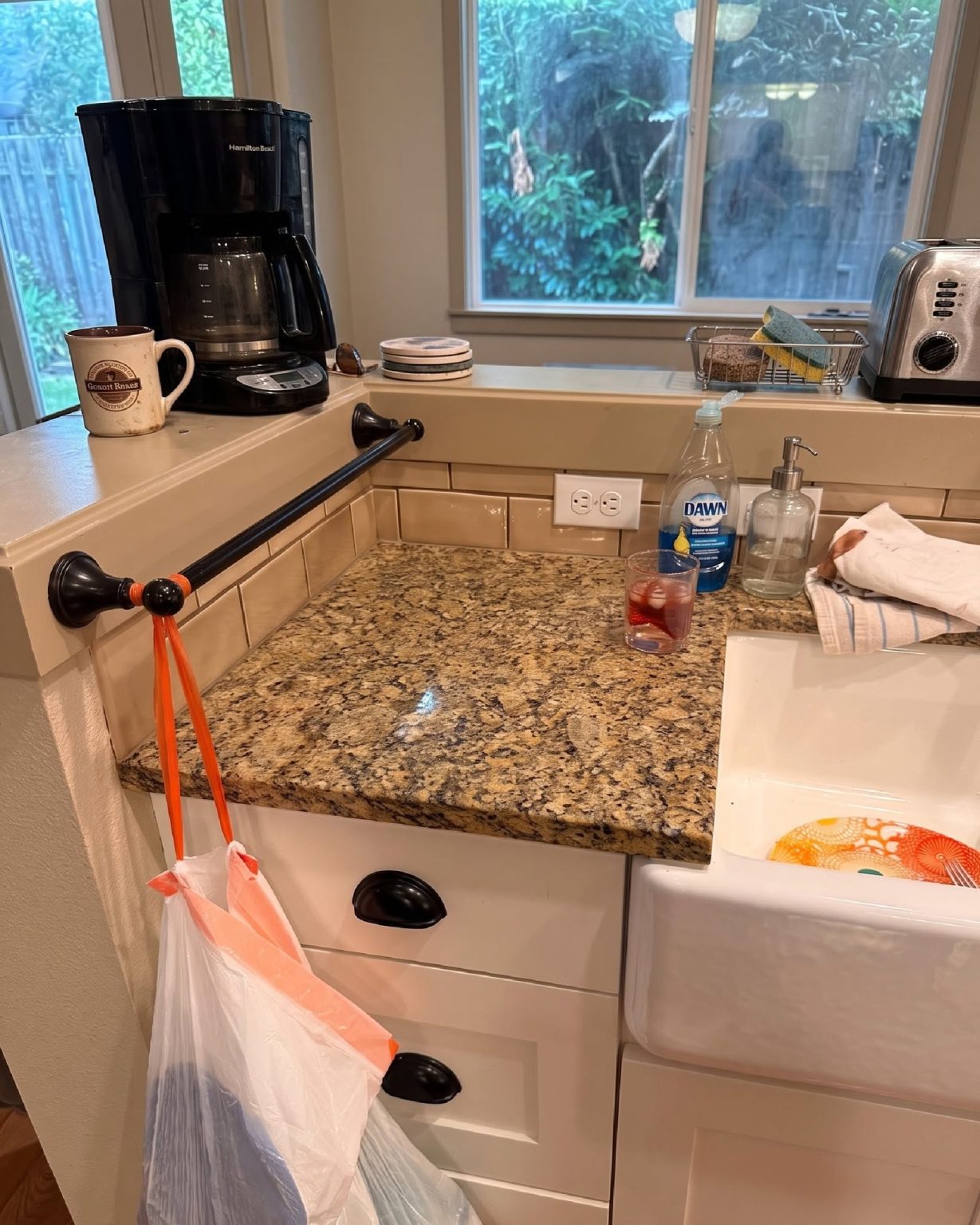
The kitchen is widely considered the heart of the home. It is where morning routines begin with a freshly brewed cup of coffee, where family meals are prepared, and where guests gather during social events. However, keeping a kitchen clean, organized, and functional can be a continuous challenge—especially in homes with compact layouts, limited counter space, or minimal cabinet storage.
When kitchen counters become cluttered with appliances, dish soap, hand towels, and trash bags, routine prep work becomes chaotic and stressful. Implementing clever organization hacks, space-saving accessories, and smart vertical storage solutions can instantly transform an everyday kitchen into an efficient, beautiful, and highly functional workspace.
The Philosophy of Kitchen Ergonomics and Space Optimization
Effective kitchen organization is rooted in ergonomics—the practice of designing and arranging spaces to fit the people who use them safely and efficiently. An optimized kitchen minimizes unnecessary motion, reduces physical strain, and ensures every essential tool is within easy reach.
       WORKFLOW TRIANGLE
  ┌─────────────────────────┐
  │         SINK            │
  └────────────┬────────────┘
               │
      ┌────────┴────────┐
      │                 │
      ▼                 ▼
 ┌──────────┐     ┌──────────┐
 │ COOKTOP  │◄───►│   REFRIG │
 └──────────┘     └──────────┘
The Concept of Kitchen Work Zones
Professional interior designers and kitchen planners organize spaces based on functional “zones.” Rather than spreading items randomly across available surfaces, grouping tools by activity creates an intuitive workflow:
-
The Cleaning Zone: Centered around the sink, garbage disposal, and dishwasher. Items in this zone include dish soap, sponges, scrub brushes, drying racks, and trash bags.
-
The Preparation Zone: Typically located on the main countertop between the sink and stove, requiring ample workspace, cutting boards, knives, and mixing bowls.
-
The Beverage Station: Dedicated to coffee makers, tea kettles, mugs, sugar containers, and coffee beans, keeping morning routines separate from primary cooking prep areas.
-
The Cooking Zone: Encapsulating the range, cooktop, microwave, oils, spices, and cooking utensils.
-
The Storage Zone: Encompassing pantry items, refrigerators, and food storage containers.
Harnessing Vertical Storage and Unused Wall Space
When horizontal countertop space is limited, the most effective solution is to expand vertically. Walls, cabinet side panels, and half-wall ledges offer valuable real estate that often goes unused.
Adding a heavy-duty towel bar, hooks, or floating shelves to the side of a half-wall or cabinet immediately frees up flat surfaces. For instance, mounting a towel rod near a sink allows you to hang hand towels, cleaning cloths, or even temporary waste bags using the handles, keeping plastic bags off floors and surfaces while maintaining effortless access.
Practical Kitchen Hacks to Instantly Reclaim Counter Space
Transforming a cluttered kitchen does not require an expensive full-scale remodel. Small, affordable adjustments and DIY organization solutions can make a dramatic difference in daily usability.
┌─────────────────────────────────────────────────────────────┐
│              EASY KITCHEN SPACE-SAVING HACKS                │
├─────────────────────────────────────────────────────────────┤
│ • Side-Mounted Rods: Hang towels or bags on cabinet ends.   │
│ • Appliance Zoning: Dedicate specific corners for coffee.   │
│ • Soap Dispensers: Mount or tray sink supplies to prevent drip.│
│ • Under-Sink Elevators: Use tension rods for spray bottles. │
└─────────────────────────────────────────────────────────────┘
-
Mount Side-Cabinet Rods: Install a short curtain rod or bathroom towel bar onto the exposed side of a cabinet or pony wall near the sink. This creates a dedicated hanging zone for dish towels, oven mitts, or hanging trash bag handles.
-
Streamline the Coffee Corner: Position your drip coffee maker or espresso machine in a quiet corner next to a wall outlet. Keep mugs on a compact riser or coaster tray right beside the machine to keep the main prep counters completely clear.
-
Organize the Sink Perimeter: Avoid letting dish soap bottles and sponges sit directly on counter edges where water collects. Place soap dispensers, sponges, and scrubbers in an elevated wire basket or ceramic caddy to allow proper drainage and prevent water damage to stone or laminate surfaces.
-
Utilize Under-Sink Tension Rods: Expand cabinet capacity beneath the sink by placing a heavy-duty spring tension rod across the top section. You can hang spray bottles by their triggers, leaving the cabinet floor open for larger cleaning supplies and bins.
-
Incorporate Pull-Out Trash and Recycling Bins: If floor space is tight, convert a deep lower cabinet drawer into a sliding pull-out trash receptacle, hiding waste completely from view while preserving traffic flow.
Financial Considerations: Home Upgrades and Property Value
Investing in kitchen upgrades—whether through minor organization improvements or comprehensive renovations—is one of the most effective ways to build home equity and enhance long-term property value.
                     ┌──────────────────────┐
                     │ KITCHEN UPGRADE ROI  │
                     └──────────┬───────────┘
                                │
   ┌───────────────┬────────────┴───────────┬───────────────┐
   │               │                        │               │
   ▼               ▼                        ▼               ▼
Minor Upgrades  Smart Fixtures        Cabinet Refinish    Full Remodel
(Organizers/Rods) (Faucets/Sinks)     (Hardware/Paint)   (High Equity ROI)
The ROI of Minor Kitchen Remodels
Real estate experts consistently note that kitchen enhancements offer some of the highest returns on investment (ROI) in residential real estate. According to industry valuation reports:
-
Minor Kitchen Renovations: Simple updates like replacing old cabinet hardware, installing stylish farm sinks, updating faucets, and adding functional space-saving organizers can recoup 70% to 80% of their cost upon home resale.
-
Functional Appeal for Buyers: Prospective homebuyers prioritize functional storage, clean countertops, and modern amenities. A kitchen that demonstrates smart space management creates an immediate positive impression during property walkthroughs.
Financing Home Improvements Wisely
For homeowners planning larger kitchen upgrades, choosing the right financial product is crucial:
-
Home Equity Loans and HELOCs: Homeowners can leverage existing home equity through fixed-rate home equity loans or flexible Home Equity Lines of Credit (HELOC) to fund substantial renovations. Interest rates on equity products are generally lower than unsecured personal loans or credit cards.
-
Homeowners Insurance Considerations: Major kitchen remodels involving plumbing, electrical work, or luxury stone countertops should be promptly reported to your home insurance carrier. Updating your policy limits ensures your new investments are fully protected against unexpected water damage or accidental hazards.
Interesting Facts About Kitchen Design and Household History
-
The Origin of the Kitchen Triangle: Developed in the 1940s by the University of Illinois School of Architecture, the kitchen work triangle was designed to maximize efficiency and reduce labor costs in residential home construction.
-
Evolution of the Farmhouse Sink: Deep apron-front sinks were originally designed before indoor plumbing was common; their deep basins were engineered to hold large volumes of water pumped by hand.
-
The Rise of Granite and Quartz: Natural granite became the premier luxury countertop material in the late 1980s, while engineered quartz has gained massive popularity in recent years due to its non-porous, stain-resistant surface.
-
History of Drip Coffee Makers: Automatic drip coffee makers revolutionized home kitchens after being patented in Germany in 1954, rapidly replacing stovetop percolators throughout American households.
-
Modern Minimalist Trends: Interior design surveys indicate that over 65% of modern homeowners consider “clutter-free counters” their top priority when planning kitchen layouts.
Essential Maintenance and Cleaning Routines for Long-Lasting Kitchens
Maintaining a pristine kitchen environment requires consistent care and the right cleaning techniques to preserve countertops, cabinetry, and fixtures over time.
                     ┌──────────────────────┐
                     │ KITCHEN MAINTENANCE  │
                     └──────────┬───────────┘
                                │
   ┌───────────────┬────────────┴───────────┬───────────────┐
   │               │                        │               │
   ▼               ▼                        ▼               ▼
Daily Wipe-Downs  Granite Sealing       Sink Cleaning     Appliance Care
 (pH-Neutral)     (Annual Treatment)   (Non-Abrasive)   (Descale Coffee)
Caring for Natural Stone and Quartz Countertops
Granite and quartz countertops provide durability and timeless elegance, but they require proper maintenance:
-
Seal Natural Granite: Natural granite is inherently porous. Apply a high-quality penetrating sealer once a year to prevent liquids, oils, and soap residue from staining the stone.
-
Use pH-Neutral Cleaners: Avoid harsh chemical cleaners, bleach, or acidic substances like lemon juice or vinegar on natural stone, as they can etch the surface polish. Opt for mild dish soap mixed with warm water.
Deep Cleaning Sinks and Small Appliances
-
Sanitize White Farmhouse Sinks: Ceramic and fireclay sinks are durable but can develop surface scuffs. Use a non-abrasive baking soda paste and a soft sponge to remove stubborn marks without scratching the glaze.
-
Descale Your Coffee Maker: Mineral deposits from tap water build up inside drip coffee makers over time, affecting brew temperature and flavor. Run a 50/50 mixture of water and distilled white vinegar through a brewing cycle once a month, followed by two full cycles of clean water.
Conclusion
Creating a functional, organized kitchen does not require massive square footage or expensive renovations. By applying basic ergonomic principles, leveraging vertical wall space, and introducing simple storage accessories like side-mounted towel rods and sink organizers, you can eliminate counter clutter and enjoy a seamless cooking experience every day.
Frequently Asked Questions (FAQ)
How can I make my small kitchen feel larger and more open?
To create an open feel, keep countertops clear of non-essential items, utilize vertical storage like hanging wall rods and floating shelves, choose light-colored paint tones, and ensure good lighting around work zones.
What is the best way to clean and seal granite countertops?
Clean granite daily using warm water, a mild dish soap, and a soft microfiber cloth. Apply a specialized granite sealer annually by spraying it evenly across clean stone, allowing it to penetrate, and buffing away any excess.
Is installing a side-mounted towel bar hard to do?
Not at all. Installing a small towel bar on a cabinet end or dry wall takes under 15 minutes. Measure carefully, use appropriate wood screws or drywall anchors, and ensure the bar is level before tightening the mounting brackets.
How do home equity loans work for kitchen remodeling?
A home equity loan allows you to borrow against the built-up equity in your home as a lump sum with a fixed interest rate. It provides a structured loan option for financing kitchen upgrades, custom cabinetry, or appliance installations.
How often should I deep clean and descale my coffee machine?
It is recommended to descale your drip coffee maker every 30 to 60 days, depending on how hard your local water is, to prevent mineral buildup and ensure optimal coffee flavor.
