
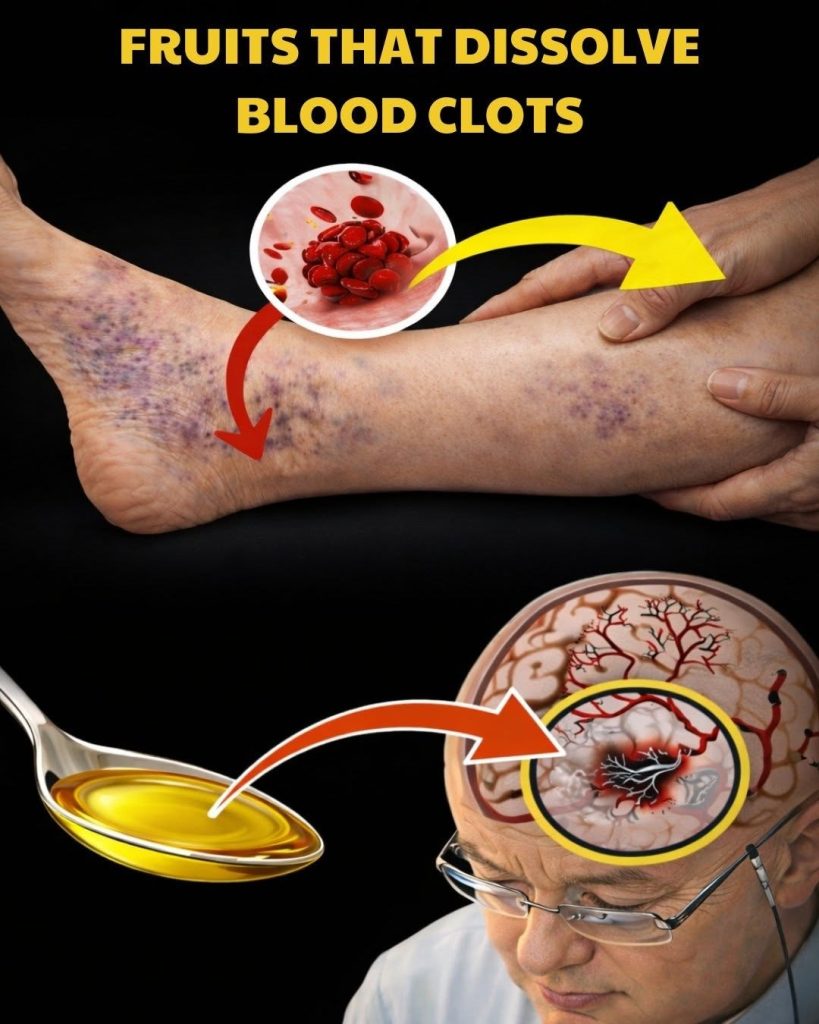
Cardiovascular health is one of the most critical aspects of overall well-being. A smooth-flowing circulatory system ensures that oxygen, essential nutrients, and hormones are efficiently delivered to every organ and tissue in the human body. However, vascular conditions such as deep vein thrombosis (DVT), arterial stiffness, and blood clots pose serious health risks if left unmanaged.
In recent years, viral social media posts have claimed that certain fruits or natural remedies can “dissolve” dangerous blood clots. While eating nutrient-dense fruits and maintaining a balanced diet supports long-term vascular flexibility and heart health, understanding the physiological reality of blood clotting is vital for medical safety.
The Medical Reality: Can Fruits Directly “Dissolve” Blood Clots?
It is essential to clarify a crucial medical distinction: while dietary choices contribute significantly to overall cardiovascular health, no fruit or dietary ingredient can dissolve an active, life-threatening blood clot.
                  BLOOD CLOT MANAGEMENT
                            │
        ┌───────────────────┴───────────────────┐
        │                                       │
        ▼                                       ▼
  ACUTE MEDICAL CLOTS                   PREVENTIVE NUTRITION
  (DVT, PE, Stroke)                    (Long-Term Heart Health)
        │                                       │
  Requires Emergency                    Supports Vascular Lining,
  Thrombolytics & Anticoagulants        Reduces Inflammation & Plaque
Understanding How Blood Clots Form
Blood clotting (coagulation) is a life-saving mechanism that prevents excessive bleeding when blood vessels are injured. Platelets aggregate at the site of vascular damage, forming a mesh of fibrin strands that seals the tear.
However, when blood clots form abnormally inside intact veins or arteries—a condition known as thrombosis—they can obstruct blood flow:
-
Deep Vein Thrombosis (DVT): A blood clot that forms in deep veins, most commonly in the legs.
-
Pulmonary Embolism (PE): A life-threatening event that occurs if a leg clot breaks loose and travels to the lungs.
-
Ischemic Stroke: Occurs when a clot obstructs an artery supplying oxygenated blood to the brain.
Medical Interventions vs. Natural Dietary Support
Existing medical blood clots require immediate emergency clinical intervention. Doctors treat active thrombosis using specialized pharmaceuticals:
-
Thrombolytics (“Clot-Busters”): Emergency medications administered in hospital settings to actively break down fibrin networks in acute strokes or massive pulmonary embolisms.
-
Anticoagulants (“Blood Thinners”): Prescription medications that prevent existing clots from growing larger and inhibit new clot formation.
Nutritional habits, including consuming fresh fruit, cannot replace emergency medical care or prescription anticoagulants. However, nutrient-rich foods contain natural bioflavonoids, antioxidants, and enzymes that support overall endothelial health and promote healthy circulation over time.
Fruits and Foods That Support Cardiovascular and Vascular Health
Certain fruits contain active compounds that help maintain supple blood vessels, inhibit excessive platelet aggregation, and reduce systematic vascular inflammation.
┌─────────────────────────────────────────────────────────────┐
│             NUTRITIONAL AGENTS FOR VASCULAR SUPPORT          │
├─────────────────────────────────────────────────────────────┤
│ • Pineapple (Bromelain): Proteolytic enzyme that breaks down.│
│ • Citrus Fruits (Flavonoids): Strengthen capillary walls.  │
│ • Berries (Anthocyanins): Protect endothelial lining.        │
│ • Kiwis & Grapes (Polyphenols): Support healthy blood flow. │
└─────────────────────────────────────────────────────────────┘
Pineapple and Bromelain
Pineapple is a unique primary source of bromelain, a complex group of protein-digesting (proteolytic) enzymes. Laboratory research suggests that bromelain possesses natural anti-inflammatory and mild anti-platelet properties, helping to support healthy circulatory dynamics.
Citrus Fruits and Hesperidin
Oranges, lemons, grapefruits, and limes are rich in vitamin C and specialized citrus bioflavonoids like hesperidin and naringin. These compounds:
-
Support the structural integrity of blood vessel walls.
-
Promote nitric oxide production, which helps blood vessels dilate naturally.
-
Help lower oxidative stress throughout the circulatory network.
Berries and Anthocyanins
Blueberries, blackberries, strawberries, and raspberries are loaded with anthocyanins—powerful antioxidants that give these fruits their vibrant red and purple hues. Regular berry consumption has been clinically shown to support endothelial function, regulate healthy blood pressure, and reduce systemic arterial inflammation.
Kiwis, Grapes, and Natural Salicylates
Kiwis and red grapes contain polyphenols, resveratrol, and trace amounts of natural salicylates (compounds related to aspirin). These nutrients help inhibit excessive blood cell clumping and preserve smooth blood flow through micro-capillaries.
Recognized Risk Factors for Poor Circulation and Thrombosis
Maintaining vascular wellness requires understanding the key risk factors that contribute to impaired circulation and elevated blood clot risks.
                     ┌──────────────────────┐
                     │ THROMBOSIS RISK FACT │
                     └──────────┬───────────┘
                                │
   ┌───────────────┬────────────┴───────────┬───────────────┐
   │               │                        │               │
   ▼               ▼                        ▼               ▼
Prolonged        Smoking &                Chronic          Medical History
Immobility       Tobacco Use            Inflammation     (Genetics/Surgery)
 (Long Flights)   (Vessel Damage)       (High BP/Obesity)  (Post-Op Recovery)
-
Prolonged Immobility: Sitting for extended periods—such as during long-distance flights, desk-bound workdays, or extended hospital bed rest—causes blood to pool in leg veins, increasing DVT risk.
-
Smoking and Tobacco Consumption: Tobacco toxins damage the endothelial lining of blood vessels, making arterial walls rougher and promoting dangerous plaque accumulation and blood cell stickiness.
-
Chronic Inflammation and High Blood Pressure: Sustained high blood pressure damages delicate vascular linings, creating turbulent blood flow and encouraging clot development.
-
Surgical Recovery and Physical Trauma: Major orthopedic surgeries (such as hip or knee replacements) temporarily elevate clotting risks as the body activates healing protocols.
Financial Considerations: Health Insurance, Emergency Coverage, and Medical Planning
Managing cardiovascular health involves routine preventive screenings, prescription management, and knowing your medical insurance benefits during emergencies.
                     ┌──────────────────────┐
                     │ HEALTHCARE FINANCIAL │
                     └──────────┬───────────┘
                                │
   ┌───────────────┬────────────┴───────────┬───────────────┐
   │               │                        │               │
   ▼               ▼                        ▼               ▼
Preventive Screenings  Emergency Coverage  Prescription Care   Long-Term Disability
 (Ultrasounds/Labs)    (ER & Ambulance)    (Anticoagulants)   (Financial Security)
Understanding Insurance Coverage for Vascular Screenings
Cardiovascular diseases and deep vein thrombosis can involve significant diagnostic expenses. Understanding your health insurance policy ensures financial preparedness:
-
Diagnostic Imaging: Health insurance policies generally cover diagnostic vascular ultrasounds, CT angiograms, and blood tests (such as D-dimer assays) when ordered by a doctor to investigate circulatory symptoms.
-
Emergency ER Coverage: Acute vascular events like chest pain, sudden shortness of breath, or leg swelling require emergency department care. Familiarizing yourself with your health plan’s emergency copays and out-of-pocket maximums ensures peace of mind.
Managing Medication and Specialist Costs
For patients diagnosed with clotting disorders, long-term prescription anticoagulants may be required. Utilizing mail-order pharmacy benefits, generic drug alternatives, or health savings accounts (HSAs) helps keep monthly medication expenses manageable.
Fascinating Facts About Human Blood and Circulation
-
Vast Vascular Network: If stretched end-to-end, the blood vessels in a single adult body would span over 60,000 miles—enough to circle the Earth more than twice.
-
Speed of Blood Flow: Blood travels through the aorta at a rapid pace of roughly 30 to 40 centimeters per second.
-
Platelet Lifespan: Human blood platelets have a brief lifespan of only 7 to 10 days before being replaced by new cells produced in the bone marrow.
-
Historical Discovery of Circulation: English physician William Harvey first accurately described the full systemic circulation of blood pumped by the heart in 1628.
-
Nitric Oxide Function: Nobel Prize-winning medical research revealed that blood vessels produce nitric oxide gas to signal smooth muscle cells to relax, dilating vessels and improving blood flow.
Essential Daily Habits to Support Smooth Circulation
Supporting long-term vascular flexibility and preventing poor circulation involves simple, consistent daily lifestyle practices.
┌─────────────────────────────────────────────────────────────┐
│                 DAILY VASCULAR WELLNESS HABITS              │
├─────────────────────────────────────────────────────────────┤
│ • Stay Hydrated: Water prevents blood from thickening.     │
│ • Take Movement Breaks: Stand and stretch every hour.       │
│ • Wear Compression Socks: Supports vein valves during travel.│
│ • Eat Antioxidant Foods: Protect vascular lining daily.     │
└─────────────────────────────────────────────────────────────┘
-
Maintain Optimal Hydration: Dehydration causes blood volume to drop and blood consistency to thicken, placing extra stress on the heart. Aim for plenty of water throughout the day.
-
Take Frequent Movement Breaks: If working a desk job, stand up every 45 to 60 minutes to stretch your legs and do calf raises. Physical contraction of calf muscles acts as a natural pump to propel blood back toward the heart.
-
Wear Compression Socks During Travel: Gradient compression socks support leg veins during long flights or road trips, reducing swelling and minimizing pooling of venous blood.
-
Prioritize Whole-Food Nutrition: Focus on a Mediterranean-style diet abundant in leafy greens, colorful berries, citrus fruits, nuts, olive oil, and lean proteins while limiting processed sodium and refined sugars.
Conclusion
While visual trends on social media highlight the nutritional benefits of fruits, it is crucial to remember that no single fruit can dissolve an active blood clot. Active thrombosis is an emergency medical condition requiring immediate clinical care. However, incorporating nutrient-dense fruits—such as pineapples, citrus, and berries—into a balanced lifestyle supports healthy endothelial function, promotes smooth blood flow, and builds long-term cardiovascular resilience.
Frequently Asked Questions (FAQ)
Can eating fruit dissolve an existing blood clot?
No. No fruit, juice, or home remedy can dissolve an active blood clot inside a vein or artery. Acute blood clots require immediate emergency evaluation and treatment with prescription blood thinners or hospital-administered thrombolytic medications.
What are the warning signs of a deep vein thrombosis (DVT)?
Common signs of a leg blood clot include sudden swelling in one leg, localized pain or tenderness, skin that feels unusually warm to the touch, and reddish or purplish discoloration.
What are the symptoms of a pulmonary embolism (PE)?
A pulmonary embolism is a medical emergency. Symptoms include sudden shortness of breath, sharp chest pain when inhaling, rapid heart rate, dizziness, and coughing up blood. Call emergency services immediately if these symptoms occur.
Which fruits are best for general circulatory health?
Fruits rich in bioflavonoids, polyphenols, and antioxidants—such as pineapples, oranges, grapefruits, blueberries, strawberries, kiwis, and grapes—support blood vessel strength and healthy circulation.
How does staying active prevent blood clots?
Physical activity contracts leg muscles, which squeezes veins and pumps blood back up toward the heart. This prevents blood from pooling in lower extremities during long periods of sitting or standing.
