
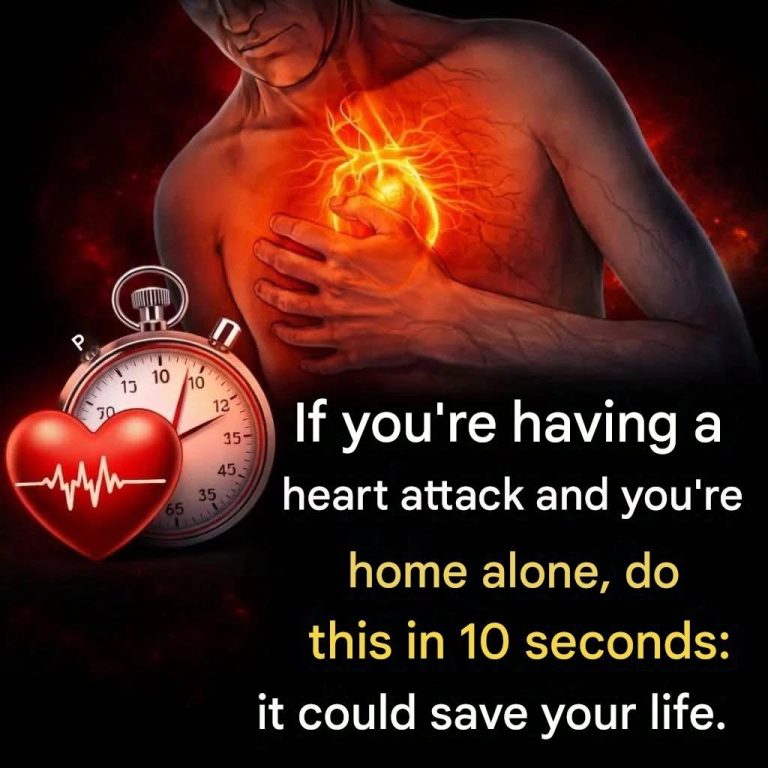
Medical emergencies can strike at any moment, and experiencing a sudden cardiac event when you are completely by yourself is one of the most frightening situations imaginable. Viral social media posts frequently circulate dramatic graphics advising people to perform specific actions within a 10-second window if they suspect a heart attack while home alone.
However, when it comes to critical cardiac health and emergency medical care, separating dangerous myths from medically verified life-saving protocols is vital. Misinformation regarding heart attacks can delay professional medical intervention, which poses severe risks to patient survival.
In this comprehensive guide, we will analyze the viral claims surrounding solo heart attack survival, examine what you should actually do during a cardiac emergency, explore how proper health insurance and medical preparedness protect your future, and review practical steps to maintain cardiovascular wellness.
The Myth of “Cough CPR” During a Heart Attack
One of the most widespread internet myths suggests that if you are having a heart attack while home alone, you can save your life by performing vigorous, repeated coughing. The theory claims that forceful coughing creates pressure on the chest and squeezes the heart enough to maintain blood circulation.
What Medical Experts Say
Major medical organizations, including the American Heart Association (AHA), have repeatedly debunked “cough CPR” for individuals experiencing a sudden heart attack.
-
The Reality of Cardiac Arrest vs. Heart Attack: A heart attack (myocardial infarction) occurs when a blocked blood vessel deprives part of the heart muscle of oxygen. While the person is conscious, coughing will not restore blood flow through a blocked coronary artery. Cardiac arrest, on the other hand, occurs when the heart suddenly stops beating entirely.
-
Lack of Efficacy: Vigorous coughing cannot restart a heart in cardiac arrest or clear blocked coronary arteries. In fact, aggressive coughing can cause dizziness, fainting, or further complications by raising blood pressure dangerously.
Relying on internet life hacks instead of calling emergency services during a real medical emergency can be fatal.
What You Should Actually Do in a Heart Attack Emergency
If you or someone nearby experiences symptoms of a heart attack—such as severe chest pain or pressure, shortness of breath, pain radiating down the left arm, cold sweats, or sudden nausea—every second counts.
The Real 10-Second Action Plan
If you suspect a heart attack and are home alone, take these immediate, medically proven steps:
-
Call Emergency Services Immediately (911): Do not attempt to drive yourself to the hospital or wait to see if the pain passes. Call emergency services instantly and unlock your front door so paramedics can gain entry quickly.
-
Chew Aspirin (If Advised and Available): If you are not allergic and have no history of bleeding disorders, chewing and swallowing an uncoated aspirin can help slow blood clotting, minimizing damage if the heart attack is caused by a blood clot.
-
Sit Down and Rest: Sit on the floor or a comfortable chair to prevent falling if you feel dizzy or lightheaded. Loosen any tight clothing around your neck or chest to make breathing easier.
-
Stay Calm and Wait for Help: Conserve your energy, try to stay calm, and focus on slow, steady breathing while waiting for emergency medical technicians to arrive.
The Science of Cardiovascular Health and Prevention
Understanding how cardiovascular disease develops helps you take proactive steps to protect your heart long before an emergency occurs.
+--------------------------------------------------------------------+
|                CARDIOVASCULAR HEALTH RISK FACTORS                  |
+---------------------+-----------------------+----------------------+
| Risk Factor         | Impact on Heart       | Prevention Strategy  |
+---------------------+-----------------------+----------------------+
| High Blood Pressure | Forces Heart Overtime | Regular Monitoring   |
| High Cholesterol    | Plaque Buildup        | Balanced Diet & Fiber|
| Sedentary Lifestyle | Weakens Heart Muscle  | Daily Exercise       |
+---------------------+-----------------------+----------------------+
Coronary artery disease typically develops over many years as cholesterol, calcium, and cellular waste accumulate inside the arterial walls, forming plaques. When a plaque ruptures, a blood clot forms around it, obstructing blood flow and triggering a heart attack.
Practical Tips for Heart Health and Emergency Preparedness
Protecting your cardiovascular health requires a combination of daily lifestyle habits and practical household safety measures.
-
Know the Warning Signs: Familiarize yourself with both classic symptoms (chest pressure) and atypical signs (jaw pain, shortness of breath, sudden fatigue, or back pain).
-
Maintain Regular Check-Ups: Schedule routine annual physical examinations to monitor your blood pressure, cholesterol levels, and blood sugar.
-
Adopt a Heart-Healthy Diet: Focus on whole grains, leafy greens, lean proteins, healthy fats like olive oil, and foods rich in dietary fiber while minimizing sodium and added sugars.
-
Create an Emergency Plan: Ensure everyone in your household knows how to call emergency services, where emergency medical contacts are listed, and how to access home entry points quickly.
Financial Wisdom: Health Insurance and Medical Security
Navigating a medical emergency highlights the importance of sound financial planning and comprehensive health insurance coverage. Unexpected cardiac events and emergency room visits come with significant medical expenses.
By maintaining robust health insurance and setting aside emergency medical savings, you protect your family from devastating financial debt during a health crisis. Aligning your household budget to prioritize preventative care, insurance premiums, and retirement planning ensures long-term economic stability.
Interesting Facts About the Human Heart
-
Incredible Output: The average human heart beats roughly 100,000 times every single day, pumping about 2,000 gallons of blood through nearly 60,000 miles of blood vessels.
-
Electrical Independence: The heart has its own electrical impulse system, meaning it can continue beating even when disconnected from the brain, provided it has an adequate supply of oxygen.
-
Broken Heart Syndrome: Extreme emotional stress can trigger a real medical condition known as takotsubo cardiomyopathy, which mimics the exact symptoms of a heart attack.
Protecting Your Health and Well-Being
Prioritizing your cardiovascular health is an ongoing commitment. Whether you are reviewing your health insurance policy, adjusting your daily nutrition, or learning basic CPR and first aid, taking proactive measures safeguards your quality of life.
Conclusion
While viral internet claims about 10-second solo heart attack cures sound appealing, they can be dangerously misleading. When facing a real cardiac emergency while home alone, the only proven life-saving action is to call emergency services immediately, unlock your door, and rest while waiting for professional help. Equip yourself with accurate medical knowledge, maintain a heart-healthy lifestyle, and protect your future through proper preparation.
Frequently Asked Questions (FAQ)
Does “cough CPR” work during a heart attack?
No. Medical experts and the American Heart Association have confirmed that forceful coughing cannot stop a heart attack or restart a heart in cardiac arrest.
What is the very first thing I should do if I suspect a heart attack while home alone?
Call emergency services (such as 911) immediately, unlock your front door, and sit down to rest while waiting for paramedics.
Can a heart attack happen without chest pain?
Yes. Many individuals—especially women, older adults, and people with diabetes—may experience atypical symptoms like shortness of breath, nausea, dizziness, or jaw and back pain.
Why is chewing aspirin recommended during a suspected heart attack?
Chewing an uncoated aspirin allows it to enter the bloodstream faster, helping to inhibit blood clotting if the heart attack is caused by a blocked coronary artery.
How can I lower my long-term risk of a heart attack?
Maintain regular physical activity, follow a heart-healthy diet low in processed sugars and trans fats, manage stress, avoid smoking, and monitor your blood pressure and cholesterol.
