
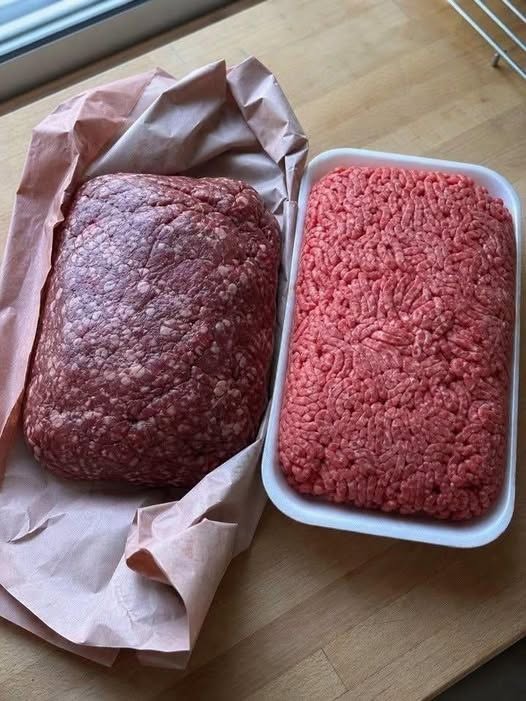
Viral food and cooking posts frequently capture our attention by revealing clever culinary insights, such as popular photo comparisons of different packages of ground meat. These engaging posts spark vibrant online discussions about grocery shopping, food safety, and meal preparation.
Understanding how different cuts of meat are processed and packaged helps us make informed choices for our weekly cooking and grocery budget.
In this comprehensive guide, we will explore the characteristics of ground meat, examine practical tips for safe food handling, share smart kitchen storage habits, and review financial strategies for your household food budget.
Decoding Culinary Ingredients: What Sets Ground Meats Apart?
When selecting ground meat at the supermarket or butcher counter, various cuts and packaging styles affect texture, fat content, and flavor.
Common Factors Influencing Ground Meat Quality
-
Fat-to-Lean Ratio: Different grinds feature varying percentages of fat, which impacts juiciness and shrinkage during cooking.
-
Packaging Methods: Butcher paper wrapping allows meat to breathe slightly, while plastic foam trays with plastic wrap maintain an airtight environment that preserves bright red surface color.
-
Freshness Indicators: Color changes and packaging types can offer clues about how recently the meat was ground and processed.
The Science of Meat Preservation and Food Safety
Properly handling, storing, and cooking ground meat ensures optimal flavor while protecting your household from foodborne illnesses.
+--------------------------------------------------------------------+
|               GROUND MEAT HANDLING & STORAGE GUIDE                 |
+---------------------+-----------------------+----------------------+
| Storage Method      | Recommended Duration  | Safety Tip           |
+---------------------+-----------------------+----------------------+
| Refrigerator        | 1 to 2 days           | Store on bottom shelf|
| Freezer             | 3 to 4 months         | Wrap tightly to seal |
| Cooking Temperature | 160°F (71°C)          | Use a meat thermometer|
+---------------------+-----------------------+----------------------+
1. The Importance of Temperature Control
Cooking ground meat to the recommended internal temperature destroys harmful bacteria while keeping the dish delicious and safe.
2. Preventing Cross-Contamination
Using separate cutting boards for raw meats and fresh produce keeps your kitchen hygienic and protects your family’s health.
Practical Tips for Your Kitchen and Grocery Routine
Handling and preparing ground meat safely is easy with these simple, practical culinary habits.
-
Check Packaging Integrity: Always inspect packages for tears, leaks, or proper seals before purchasing meat at the store.
-
Store Promptly: Place ground meat in the refrigerator immediately after returning home, or freeze it if you plan to store it long-term.
-
Use a Food Thermometer: Verify that burgers and meatloaches reach safe internal temperatures during cooking.
-
Engage with Food Communities: Share cooking tips and photo comparisons online to exchange culinary advice with fellow food lovers.
Financial Wisdom: Smart Budgeting for Grocery Shopping
Investing in bulk ground meat packages and portioning them at home is a fantastic financial strategy that reduces your overall grocery expenses. Planning meals around versatile ingredients keeps your weekly food budget sustainable and balanced.
Maintaining a mindful approach to kitchen inventory ensures delicious meals without unnecessary waste.
Interesting Facts About Ground Meat
-
Historical Origins: Ground meat dishes, such as early versions of meatballs and sausages, date back to ancient culinary traditions worldwide.
-
Grind Variations: Different cuts of beef—like chuck, sirloin, and round—offer unique flavor profiles when ground.
-
Viral Food Photos: Visual comparisons of everyday grocery items spread rapidly online because they spark interesting debates and cooking discussions.
Protecting Your Health and Well-Being
Prioritizing safe food handling and clean kitchen practices are vital pillars of household self-care. Whether you are prepping dinner or organizing your pantry, mindful choices foster a healthy home.
Conclusion
While viral social media posts highlighting everyday food comparisons capture our interest, understanding meat selection and safe handling ensures great meals every time. Stay safe, cook with confidence, and enjoy your culinary creations!
Frequently Asked Questions (FAQ)
Why does ground meat sometimes look different in color?
Meat wrapped in butcher paper may oxidize slightly on the outside, while plastic-wrapped trays often use controlled atmospheres to maintain a bright red surface color.
How long can ground meat stay in the refrigerator?
Raw ground meat should typically be cooked or frozen within one to two days of purchase for optimal freshness and safety.
What is the safest way to thaw frozen ground meat?
The safest way to thaw ground meat is in the refrigerator overnight, ensuring it thaws evenly at a safe, controlled temperature.
Why do food photos go viral on social media?
Home cooks love discussing subtle differences in everyday ingredients, sharing tips, and comparing grocery finds online.
What is the ideal fat ratio for juicy burgers?
An 80/20 lean-to-fat ratio is widely considered the gold standard for juicy, flavorful hamburgers because the rendered fat keeps the meat moist.
