
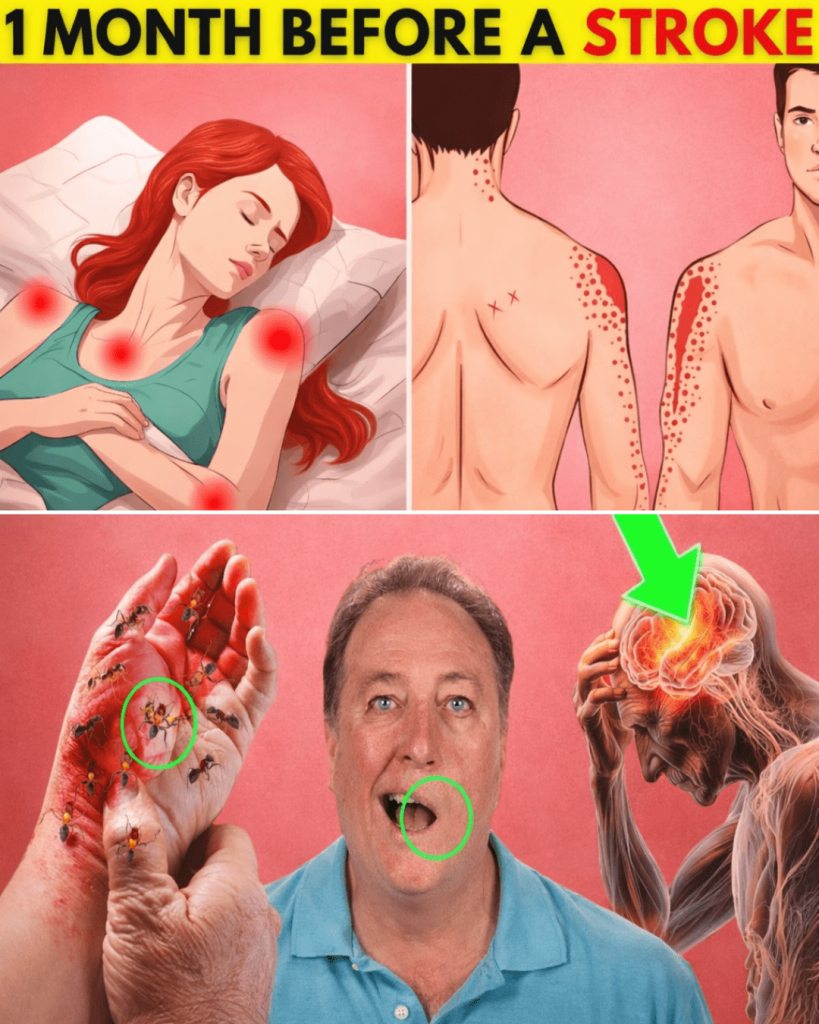
A stroke remains one of the leading causes of death and long-term adult disability globally. Every year, millions of individuals and families find themselves suddenly facing the overwhelming physical, emotional, and financial burdens associated with cerebrovascular accidents. Beyond the immediate health shock, navigating long-term medical care, specialized rehabilitation, health insurance claims, and complex legal services or disability arrangements can prove daunting.
While a stroke is often thought of as an instantaneous medical catastrophe, significant clinical evidence demonstrates that the body frequently sends warning indicators days or weeks before a major event occurs. These preliminary symptoms are often linked to Transient Ischemic Attacks (TIAs), commonly known as “mini-strokes,” or underlying cardiovascular disturbances.
Recognizing these subtle, early warning signs provides an irreplaceable window of opportunity. Timely intervention can allow medical professionals to evaluate risk factors, adjust treatment plans, and potentially prevent a major stroke before irreversible neurological damage occurs. Below is an in-depth breakdown of early warning indicators, how to recognize them, and essential steps to protect your health and overall security.
The Physiology of Pre-Stroke Warnings: What Happens in the Body?
To understand early stroke indicators, it helps to understand how blood flows to the brain. Cerebral tissue relies on a continuous supply of oxygen and glucose delivered through a network of blood vessels. When this blood supply is disrupted, brain cells begin to suffer from oxygen deprivation within minutes.
Ischemic vs. Hemorrhagic Events
-
Ischemic Strokes: Account for the vast majority of all strokes. They occur when a blood clot, arterial plaque buildup, or embolus blocks an artery supplying blood to a portion of the brain.
-
Hemorrhagic Strokes: Occur when a weakened blood vessel in the brain ruptures or leaks, causing blood to pool in surrounding brain tissue.
-
Transient Ischemic Attacks (TIAs): Occur when blood flow to part of the brain is temporarily blocked or reduced, causing brief neurological symptoms that resolve on their own. A TIA does not cause permanent tissue infarction, but it acts as a critical alarm bell. Up to one-third of people who experience a TIA go on to have a major stroke, often within 30 days.
Early Physical Signs and Sensations to Watch For
Prior to a major stroke, micro-clots or transient drops in cerebral blood pressure can produce localized physical sensations that seem unusual or unexplained. Recognizing these patterns is vital.
1. Unusual Tingling, Numbness, or “Crawling” Sensations (Paresthesia)
A classic early indicator of altered nerve signal processing is paresthesia—a localized sensation often described as “pins and needles,” numbness, or an uncanny feeling resembling ants crawling over the skin. When blood flow to sensory processing areas of the parietal lobe or brainstem is intermittently restricted, peripheral nerves send distorted signals to the brain. This frequently affects one hand, one side of the face, or a single arm or leg.
2. Unilateral Weakness and Muscle Fatigue
Beyond numbness, temporary loss of muscle strength on one side of the body is a major red flag. You may experience sudden heaviness in an arm or leg, find it difficult to lift your arm above your head, or notice that your hand grip unexpectedly weakens. These muscular deficits occur when motor cortex pathways experience transient oxygen deprivation.
3. Joint Discomfort, Soreness, and Radiant Pain
Prior to a stroke, disrupted autonomic neural control or referred neurological pain can manifest as aching or throbbing around major joints—such as the shoulders, neck, or elbows. When vascular inflammation increases or nerve pathways near the spine and cervical region experience minor pressure changes, patients sometimes report unexplained joint heaviness or localized tenderness that doesn’t stem from direct physical injury.
4. Facial Asymmetry or Mild Facial Drooping
Mild, transient weakness in facial muscles can cause subtle drooping around the eye, cheek, or corner of the mouth. A person might notice that their smile feels uneven or that fluids tend to leak slightly from one side of their mouth when drinking. Facial asymmetry reflects temporary strain on the cranial nerves stemming from reduced brainstem perfusion.
5. Unexplained Headaches and Cranial Pressure
A sudden, intense headache that develops rapidly without an obvious trigger can indicate vascular distress. Often described as a deep, throbbing pressure inside the skull, these headaches may result from blood vessel spasms, micro-hemorrhages, or acute blood pressure surges. If accompanied by dizziness or nausea, immediate clinical evaluation is strongly recommended.
Secondary Warning Signals and Systemic Symptoms
In addition to physical sensations like paresthesia and weakness, systemic changes across sensory, cognitive, and autonomic functions can precede a stroke.
Speech Distortions and Difficulty Finding Words
Language centers in the left hemisphere of the brain (such as Broca’s and Wernicke’s areas) are exceptionally sensitive to oxygen levels. Brief episodes of slurred speech, difficulty articulating simple words, or temporary trouble understanding what others are saying can indicate a passing ischemic event.
Sudden Visual Changes or Temporary Vision Loss
Vascular issues in the carotid arteries can cause sudden, brief visual disruptions. This may include blurred vision, double vision, or a temporary loss of vision in one eye (sometimes described as a dark curtain pulled over the field of view). Known clinically as amaurosis fugax, this symptom warrants urgent medical attention.
Balance Issues, Dizziness, and Vertigo
When blood flow to the cerebellum or brainstem is compromised, a person may experience sudden bouts of unsteadiness, loss of coordination, or a sensation that the room is spinning around them. Unexplained stumbles or bumping into doorways can be an early indicator of posterior circulation ischemia.
Persistent, Deep Fatigue
Profound, unexplained exhaustion that does not improve with rest can accompany arterial narrowing. When the heart and vascular system must work harder to pump blood through calcified or constricted blood vessels to the brain, systemic fatigue often follows.
The FAST Protocol for Active Emergencies
If early warning signs escalate into a full-blown neurological event, immediate action is paramount. Emergency response teams use the F.A.S.T. acronym to identify acute stroke symptoms quickly:
-
F — Face: Ask the person to smile. Does one side of the face droop?
-
A — Arms: Ask the person to raise both arms. Does one arm drift downward due to weakness?
-
S — Speech: Ask the person to repeat a simple phrase. Is their speech slurred or strange?
-
T — Time: If you observe any of these signs, call emergency services (such as 911) immediately. Rapid treatment with clot-busting medications (like tPA) can dramatically reduce long-term damage.
Practical Action Steps for Cardiovascular Prevention
Taking proactive control of your vascular health is the single most effective way to lower overall stroke risk.
Monitor and Control Blood Pressure
Hypertension is the primary risk factor for both ischemic and hemorrhagic strokes. Regularly check your blood pressure and work with your healthcare provider to keep readings within normal ranges through lifestyle modifications or prescribed medications.
Adopt a Heart-Healthy Lifestyle
-
Balanced Nutrition: Focus on a diet rich in whole foods, leafy greens, berries, nuts, olive oil, and lean protein while minimizing sodium, ultra-processed foods, and refined sugars.
-
Regular Exercise: Engage in at least 150 minutes of moderate aerobic activity (such as brisk walking or swimming) per week to maintain vascular elasticity.
-
Avoid Smoking: Tobacco smoke damages blood vessel linings and accelerates plaque buildup. Quitting smoking significantly reduces vascular risk.
Manage Underlying Chronic Conditions
Keep conditions like type 2 diabetes, high cholesterol, and atrial fibrillation (AFib) properly managed under medical supervision. AFib, in particular, can cause blood to pool in the heart and form clots that travel to the brain.
Financial, Insurance, and Legal Considerations
A severe health crisis affects more than just physical well-being; it can also impact family finances and legal planning. Taking preventive administrative steps provides valuable security.
Reviewing Health and Disability Insurance
Medical treatments for acute cardiovascular events—including emergency hospital stays, advanced imaging (MRI/CT scans), long-term rehabilitation, and home care—can accumulate significant expenses. Reviewing your health insurance coverage and maintaining short- or long-term disability insurance ensures your family is financially protected if illness temporarily affects your earning potential.
Essential Legal and Estate Planning
In the event of an unexpected medical emergency that leaves an individual temporarily unable to communicate decisions, having proper legal arrangements in place is invaluable. Consulting qualified legal services or an estate planning attorney allows you to establish:
-
Medical Power of Attorney: Designates a trusted advocate to make healthcare decisions on your behalf.
-
Financial Power of Attorney: Grants authority to manage bills, banking, and household finances during an extended recovery period.
-
Advanced Healthcare Directives: Outlines your specific preferences regarding emergency care and life-prolonging treatments.
Proactive legal planning ensures that your loved ones can focus entirely on supporting your health recovery without unnecessary administrative hurdles.
Fascinating Facts About the Brain and Circulation
-
High Metabolic Demand: Although the human brain represents only about 2% of total body weight, it consumes roughly 20% of the oxygen and glucose in the bloodstream.
-
Neuroplasticity: The human brain has an incredible ability to reorganize itself after an injury. Through dedicated physical and occupational therapy, undamaged brain regions can form new neural connections to recover lost motor and speech functions.
-
Rapid Cell Loss: During an active, untreated ischemic stroke, the brain loses an estimated 1.9 million neurons every minute blood flow remains blocked.
Conclusion
The human body rarely suffers a stroke without giving preliminary warning signals. Subtle indicators—such as temporary tingling sensations, localized muscle weakness, facial drooping, speech changes, or sudden joint discomfort—are critical signs that cerebral circulation may be compromised. Recognizing these warnings as potential indicators of a Transient Ischemic Attack (TIA) or vascular strain offers a vital window for early medical intervention.
Never ignore passing neurological symptoms, even if they resolve within minutes. By combining prompt medical care with a healthy diet, regular exercise, blood pressure control, adequate insurance, and proper legal planning, you can protect your long-term health, independence, and peace of mind.
Frequently Asked Questions (FAQ)
What is the main difference between a TIA and a full stroke?
A Transient Ischemic Attack (TIA) is caused by a temporary disruption in blood flow to the brain that resolves on its own without causing permanent tissue damage. A full stroke involves prolonged blockage or bleeding, leading to permanent neurological tissue death.
Can tingling or “pins and needles” in the hand be an early sign of a stroke?
Yes, localized paresthesia (tingling or numbness) in one hand, arm, or side of the face can be an early indicator of impaired sensory signal processing caused by temporary cerebral blood flow reductions.
How quickly should someone seek medical evaluation after a suspected TIA?
Immediately. Even if symptoms vanish completely within minutes, a TIA indicates a high risk of a major stroke in the immediate future. Emergency medical evaluation is essential to identify and address underlying causes.
Are joint pain and muscle stiffness common pre-stroke signs?
While joint discomfort is often associated with arthritis or physical strain, referred neurological discomfort, localized soreness, or muscle heaviness on one side of the body can occur when motor pathways experience vascular distress.
What immediate steps should be taken if someone shows signs of a stroke?
Call emergency services (such as 911) right away. Note the exact time the symptoms first appeared, and do not give the person food, drink, or medications like aspirin until evaluated by emergency medical staff.
