
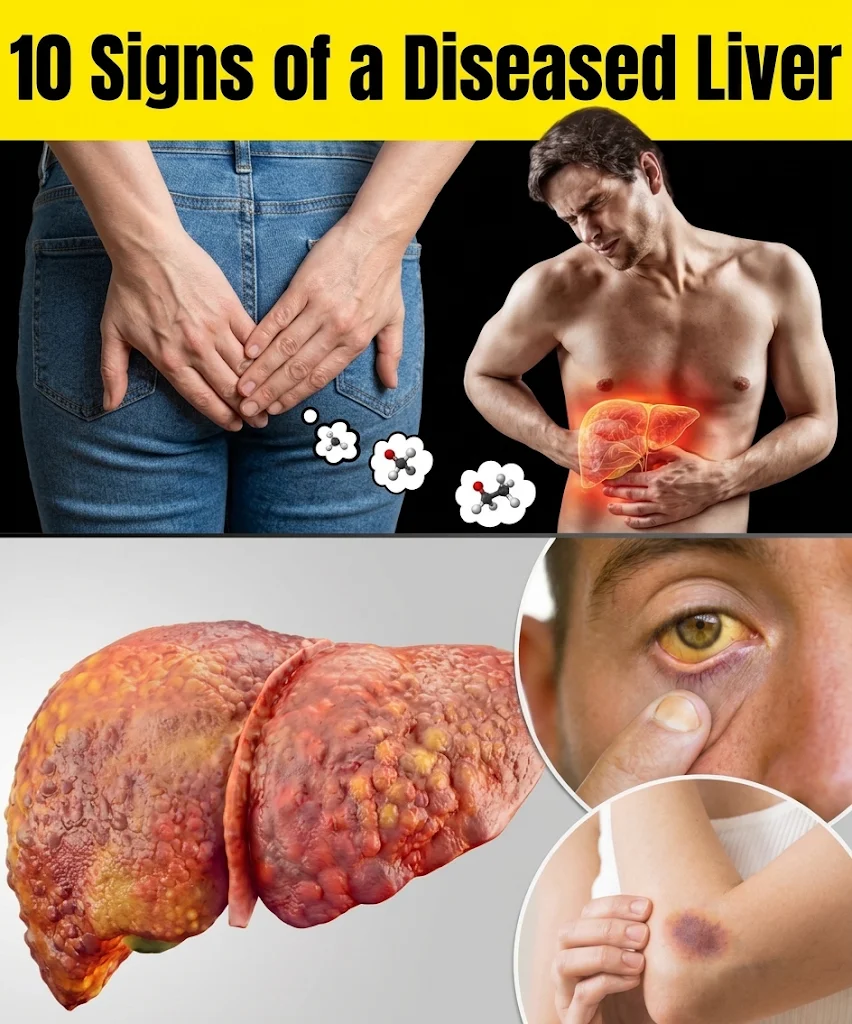
10 Warning Signs Your Liver Might Be in Trouble: Symptoms You Should Never Ignore
Article description: Learn about 10 possible warning signs of liver problems, from persistent fatigue and yellowing of the eyes to changes in urine, stool, digestion, and skin. Discover what these symptoms may mean, when to seek medical advice, and how everyday habits can support liver health.
The liver is one of the body’s hardest-working organs, quietly supporting digestion, metabolism, blood chemistry, and the removal of waste products. Because it can continue functioning even when it is affected by disease, some liver conditions develop with few obvious symptoms in their early stages. By the time noticeable changes appear, a problem may have been present for some time.
Not every episode of tiredness, stomach discomfort, or unusual urine color points to liver disease. Many everyday conditions can cause similar symptoms. However, when changes persist, recur without a clear
explanation, or appear together, they deserve attention. Recognizing possible warning signs can help people seek an appropriate medical assessment rather than relying on guesswork or waiting for symptoms to become severe.
This guide explores 10 signs that may occur with liver or bile-duct problems, explains other possible causes, and outlines practical steps for protecting liver health. These signs are clues, not a diagnosis: only an appropriate medical evaluation can determine what is causing them.
Understanding Why the Liver Matters
The liver sits mainly in the upper-right part of the abdomen, beneath the diaphragm and behind the lower ribs. It performs hundreds of functions that help keep the body working properly. Among its most important jobs are processing nutrients absorbed from food, producing bile to help digest fats, storing certain vitamins and minerals, regulating blood sugar, manufacturing important blood proteins, and breaking down or processing many medicines and other substances.
It
also helps the body handle bilirubin, a yellow pigment produced when old red blood cells are broken down. Under normal circumstances, the liver processes bilirubin so that it can leave the body through bile and the digestive system. When this process is disrupted, bilirubin may accumulate in the blood and tissues, causing jaundice, which can make the whites of the eyes and skin appear yellow.
The liver can be affected by many different conditions. These include metabolic dysfunction-associated steatotic liver disease, commonly associated with excess fat in the liver; alcohol-related liver disease; viral hepatitis; autoimmune liver disorders; inherited conditions; certain medication-related injuries; and problems affecting the bile ducts. These conditions do not all behave in the same way, and their symptoms can overlap.
One reason liver disease can be difficult to recognize is that the liver has considerable functional reserve. A person may feel well while inflammation or scarring develops.
Some people have no obvious symptoms until a condition becomes more advanced, while others experience fatigue, abdominal discomfort, or other changes much earlier.

A symptom should therefore be considered in context. How long has it lasted? Is it getting worse? Are several symptoms occurring together? Are there risk factors such as heavy alcohol consumption, diabetes, obesity, viral hepatitis exposure, or medicines and supplements that can affect the liver? These details help a healthcare professional decide which examinations or tests may be appropriate.
The following 10 warning signs are worth understanding, but none should be used alone to conclude that a person has liver disease.
1. Persistent Fatigue and Unusual Weakness
Feeling tired after a busy day, a poor night’s sleep, or strenuous exercise is normal. Fatigue becomes more concerning when it persists despite adequate rest, interferes with ordinary activities, or feels markedly different from a person’s usual energy level.
Persistent
fatigue is frequently reported by people with chronic liver conditions. Some people describe a lack of energy that makes work, exercise, household tasks, or concentration more difficult. Others notice that they tire unusually quickly even when their daily routine has not changed.
The relationship between liver disease and fatigue is complex. Liver conditions can affect metabolism, sleep, appetite, inflammation, and the body’s overall balance. Some people may also have anemia, nutritional deficiencies, muscle loss, or other health problems that contribute to weakness. In advanced disease, changes in sleep patterns and mental alertness may occur as well.
However, fatigue is extremely nonspecific. It can be caused by sleep deprivation, stress, depression, anemia, thyroid disorders, infections, medication side effects, nutritional deficiencies, and many other conditions. A person who feels tired for several days after a demanding week does not automatically need to assume that their liver is damaged.
The pattern matters more
than a single episode. Consider seeking medical advice if tiredness lasts for weeks, becomes progressively worse, or occurs alongside other unexplained changes such as yellowing of the eyes, swelling in the abdomen, persistent nausea, dark urine, or unexplained weight loss.
A healthcare professional may ask about sleep, diet, alcohol use, medicines, medical history, and other symptoms. Depending on the circumstances, an assessment may include blood tests for anemia, thyroid function, liver enzymes, bilirubin, and other possible causes.
It is also important not to respond to unexplained fatigue by taking multiple supplements or so-called liver cleanses. Some products contain ingredients that can damage the liver, interact with prescribed medicines, or complicate the diagnosis. The safest approach is to identify the reason for the fatigue rather than trying to mask it.
What to remember: Persistent fatigue can occur with liver disease, but it is not specific enough to identify the cause. If
it continues without explanation or appears with other warning signs, arrange a medical assessment.
2. Yellowing of the Skin or Eyes

One of the most recognizable signs associated with liver and bile-duct problems is jaundice. It occurs when bilirubin builds up in the blood and body tissues, causing the whites of the eyes and, in many cases, the skin to develop a yellowish color.
Bilirubin is produced naturally as the body breaks down old red blood cells. The liver normally processes it and helps remove it through bile. If the liver cannot process bilirubin effectively, if bile flow becomes blocked, or if red blood cells are breaking down unusually quickly, bilirubin levels may rise.
Jaundice is not a disease by itself. It is a sign that something has disrupted the normal handling of bilirubin. Possible causes include hepatitis, alcohol-related liver disease, advanced scarring of the liver, certain medication-related injuries, gallstones
blocking a bile duct, and some blood disorders. Because these conditions require different approaches, identifying the cause is essential.
The change may be easiest to notice in the whites of the eyes. Skin color can be more difficult to assess because natural skin tones and lighting affect how yellowing appears. Some people also notice darker urine, unusually pale stools, or itching. When several of these changes appear together, a problem involving bilirubin or bile flow becomes an important possibility to investigate.
A yellow appearance does not always originate from liver disease. Certain blood conditions can raise bilirubin, and some harmless conditions can cause mild increases in bilirubin without significant liver damage. Eating large quantities of foods rich in beta-carotene can also make the skin look yellow-orange, although this typically does not turn the whites of the eyes yellow. Appearance alone cannot reliably distinguish these possibilities.
New jaundice in an adult
needs urgent medical assessment. Do not wait several weeks to see whether the color disappears, and do not try to treat it with detox drinks, herbal mixtures, or dietary changes alone. A clinician may recommend blood tests to measure bilirubin and liver-related markers, along with imaging if a blockage or other structural problem is suspected.
If yellowing is accompanied by severe abdominal pain, fever, repeated vomiting, confusion, faintness, or marked drowsiness, emergency evaluation may be necessary.
It is also important to avoid assuming that jaundice automatically means permanent liver damage. Some causes are treatable, and the outlook depends on the underlying condition, how quickly it is identified, and the person’s overall health.
What to remember: Yellow eyes or skin should never be dismissed as ordinary tiredness or a minor cosmetic change. New jaundice is a reason to seek prompt medical care.
3. Dark Urine That Persists
Urine color can change
throughout the day. After several hours without drinking, for example, urine may become darker because it is more concentrated. Certain foods, vitamins, medicines, and other health conditions can also change its appearance.
However, persistently dark urine can sometimes be associated with liver or bile-duct problems, particularly when it occurs with yellow eyes, pale stools, or itching.
When bilirubin levels rise, some forms of bilirubin can pass into the urine. This may give urine a dark yellow, amber, tea-like, or brown appearance. The change can occur when the liver is inflamed or when bile cannot flow normally into the intestine. Conditions such as hepatitis and bile-duct obstruction are among the possible explanations.
The important distinction is that not every dark urine episode is a sign of liver trouble. Dehydration is common, especially in hot weather, during exercise, or when someone has fever, diarrhea, or vomiting. Some medicines and supplements can alter
urine color, while urinary tract problems and blood in the urine may produce other unusual shades.
Pay attention to whether the color returns to normal after ordinary fluid intake, whether it continues across multiple bathroom visits, and whether other symptoms are present. Urine that remains unusually dark despite adequate hydration deserves assessment, particularly if the change is new or unexplained.
It is not necessary to force large amounts of water in an attempt to make urine clear. Excessive water intake can itself be harmful, and the appropriate amount varies with a person’s health and circumstances. Instead, maintain normal hydration unless a clinician has advised a fluid restriction.
If you notice dark urine alongside yellowing of the eyes, pale stools, abdominal discomfort, nausea, or unusual fatigue, contact a healthcare professional promptly. These combined findings may indicate a problem with bilirubin processing or bile flow.
Blood in the urine, severe pain, fever,
or difficulty passing urine may point to a different problem and can also require urgent evaluation. A clinician may use a urine test, blood tests, and sometimes imaging to determine the cause.
What to remember: A single dark urine episode may reflect dehydration or another temporary cause. Persistent tea-colored or brown urine, especially when accompanied by other warning signs, should not be ignored.
4. Pale, Gray, or Clay-Colored Stools
Normal stool is usually brown because of substances produced when the body processes bilirubin. Bile carries these substances from the liver into the digestive tract, where they contribute to the characteristic color of bowel movements.
When bile cannot reach the intestine in the usual amount, stools may become unusually pale. They may look light gray, putty-colored, or clay-colored rather than brown. This change can occur when bile production or flow is disrupted.
Possible explanations include a blockage caused by gallstones, narrowing
of the bile ducts, inflammation, or certain liver conditions. Problems involving the pancreas or nearby structures can also interfere with bile drainage. Pale stools therefore do not necessarily mean that the liver itself is the only organ involved.
Stool color naturally varies depending on diet, medicines, and the speed at which food passes through the digestive system. One lighter-than-usual bowel movement is not enough to establish that a medical problem exists. The concern is greater when pale stools recur, persist, or appear together with dark urine or yellowing of the eyes.
Some people may also notice that their stools are greasy, unusually foul-smelling, or difficult to flush. These changes can occur when the digestive system is not absorbing fats normally. There are several possible causes of fat malabsorption, including conditions affecting bile flow and the pancreas.
The pattern can provide useful information, but it cannot determine the diagnosis. A healthcare
professional may ask about recent diet changes, medicines, abdominal symptoms, fever, and the duration of the color change. Blood tests and abdominal imaging may be needed to investigate the liver, gallbladder, bile ducts, and nearby organs.
What to remember: Repeated pale or clay-colored stools, particularly with dark urine or jaundice, warrant prompt medical attention. Do not assume that persistent changes in stool color are simply a dietary issue.
5. Pain or Discomfort in the Upper-Right Abdomen

The liver occupies much of the upper-right portion of the abdomen, just beneath the lower ribs. Some liver conditions can cause discomfort in this area, although the liver itself does not respond to pain in exactly the same way as many other tissues. Pain may arise when the outer covering of the liver stretches, when nearby structures become inflamed, or when a related organ is affected.
People may describe the sensation as pressure, heaviness,
fullness, a dull ache, or tenderness beneath the right rib cage. It may be persistent or intermittent. Some people notice discomfort after meals, while others experience it without a clear connection to eating.
Liver inflammation, enlargement, or congestion can sometimes contribute to upper-right abdominal discomfort. But the same area contains or lies near the gallbladder, bile ducts, intestines, abdominal muscles, and portions of other organs. Gallstones, gallbladder inflammation, digestive disorders, muscle strain, and other conditions can produce similar symptoms.
This is why location alone is not enough to identify the source. A person who feels a sharp pain after lifting a heavy object may have a muscle injury, while someone with pain following a meal may have a gallbladder-related problem. Neither pattern proves the cause, and symptoms can overlap.
Liver disease may also develop without pain. In fact, some people with significant chronic liver damage experience little discomfort until complications
appear. Conversely, a person with intense abdominal pain may have a condition that does not involve the liver at all.
Seek medical advice if pain persists, recurs, or appears with unexplained fatigue, appetite changes, jaundice, dark urine, pale stools, fever, or vomiting. A clinician may examine the abdomen and consider blood tests or an ultrasound, depending on the symptoms.
Severe or sudden abdominal pain, especially with fever, repeated vomiting, fainting, confusion, a rigid or markedly swollen abdomen, or yellowing of the eyes, requires urgent evaluation. Do not use painkillers repeatedly to cover up worsening symptoms without understanding the cause. Some medicines are risky for certain people with liver disease, and safe choices depend on the individual’s condition and other medications.
What to remember: Persistent discomfort under the right ribs deserves attention, but it is not a reliable standalone test for liver disease. The duration, severity, associated symptoms, and medical history
all matter.
6. Loss of Appetite, Nausea, or Vomiting
A reduced appetite can be easy to overlook. People may blame a stressful week, a change in routine, poor sleep, or an ordinary stomach upset. Occasional nausea is common, too. But persistent appetite loss, repeated nausea, or vomiting without an obvious explanation may deserve further investigation.
Some liver conditions can affect appetite and digestion. Inflammation may cause a general feeling of illness, nausea, and reduced interest in food. Advanced liver disease can contribute to changes in metabolism, taste, nutritional status, and digestive comfort. People may feel full after eating only a small amount, especially if abdominal fluid has accumulated.
Nausea and vomiting, however, have a long list of possible causes. Viral infections, foodborne illness, pregnancy, migraines, medication side effects, acid reflux, gallbladder disease, and many other conditions can produce similar symptoms. These symptoms should not automatically be attributed to the liver.
The duration and combination of symptoms are particularly important. A brief episode of nausea that resolves on its own is different from weeks of poor appetite, recurring vomiting, or an inability to maintain normal food and fluid intake. Unintentional weight loss alongside these symptoms is another reason to arrange a medical evaluation.
People with persistent nausea may find it easier to eat smaller, more frequent meals while awaiting assessment, provided they can tolerate food. Drinking fluids in small, regular amounts may help when mild nausea makes drinking difficult. However, people who cannot keep fluids down, show signs of dehydration, or become increasingly weak may need urgent care.
Do not begin a restrictive diet or stop prescribed medicines without professional advice. If a medication appears to trigger nausea, a clinician or pharmacist can help determine whether it may be responsible and whether a safer alternative is appropriate.
Repeated vomiting accompanied by
jaundice, significant abdominal pain, confusion, or severe weakness is more concerning than nausea alone. Vomiting blood or material resembling coffee grounds is an emergency, as is black, tar-like stool that may indicate gastrointestinal bleeding.
What to remember: Persistent appetite loss, nausea, or vomiting can occur in liver disease but are not specific to it. Seek assessment when symptoms continue, interfere with eating and drinking, or appear alongside other unexplained changes.
7. Itching That Has No Clear Explanation
Itching is often associated with dry skin, allergies, insect bites, or irritation from soaps and detergents. In some cases, however, persistent itching can be associated with liver or bile-duct disorders, especially when it occurs without an obvious rash.
The medical term for itching is pruritus. When bile flow is disrupted, substances associated with bile processing can accumulate or change in ways that affect sensory pathways involved in itching. The precise mechanisms vary, and
researchers continue to study why some people with cholestatic liver conditions experience particularly intense symptoms.
The sensation may affect a small area or involve much of the body. Some people find that it becomes more troublesome at night or that scratching provides only temporary relief. Repeated scratching can leave marks, irritate the skin, and increase the risk of infection.
Itching related to a liver or bile-duct condition may occur with jaundice, dark urine, pale stools, or discomfort in the upper abdomen. Nevertheless, itching by itself is far more commonly associated with a range of other causes, including dry skin, eczema, medication reactions, kidney disorders, thyroid conditions, and certain blood diseases.
Look for clues that might explain the problem. Has a new soap, detergent, skincare product, or medicine been introduced? Is the skin visibly inflamed, or does it look normal despite the intense sensation? Does the itching occur in one area
or across the body? Have other symptoms developed?
These observations can help guide a medical assessment, but they cannot reliably confirm or exclude liver disease. A healthcare professional may examine the skin, review medications and supplements, and order blood tests when the symptoms or medical history make them appropriate.
In the meantime, gentle skin care may reduce discomfort. Use lukewarm rather than very hot water, choose fragrance-free moisturizers, avoid harsh cleansers, and try not to scratch aggressively. If itching is severe or persistent, ask a clinician or pharmacist about suitable treatment. Some medicines used to relieve itching are inappropriate for certain medical conditions or can interact with other drugs.
Do not rely on liver-cleansing teas or supplements to treat unexplained itching. Products marketed as natural can still cause adverse reactions, including liver injury. Treating the underlying cause is more important than attempting to conceal the symptom.
If itching develops together
with yellow eyes, dark urine, or pale stools, seek prompt medical advice. These combined changes may indicate a problem with bile flow that needs investigation.
What to remember: Persistent, unexplained itching—especially without an obvious rash or with other signs of jaundice—deserves attention. It is a possible clue, not proof of liver disease.
8. Easy Bruising or Unusual Bleeding
Bruises commonly appear after minor bumps, exercise, or accidental pressure. Some people also bruise more easily as they age or because they take medicines that affect blood clotting. However, a new pattern of unexplained bruising or unusual bleeding can sometimes indicate a medical problem, including advanced liver disease.
The liver produces many proteins involved in blood clotting. When its ability to produce these proteins is significantly impaired, the balance of clot formation can change. Chronic liver disease can also affect platelets, which help stop bleeding, and may contribute to an enlarged spleen
that traps platelets in the bloodstream. These processes can increase bleeding risk in some people.
Possible signs include bruises appearing without a remembered injury, bruises that seem unusually large, frequent nosebleeds, bleeding gums, or cuts that take longer than expected to stop bleeding. In advanced liver disease, bleeding can also occur internally, including from enlarged veins in the digestive tract.
Nevertheless, bruising has many other explanations. Aspirin, anticoagulants, some other medicines, certain supplements, low platelet counts, nutritional deficiencies, and blood disorders can contribute. Some people naturally develop small bruises after minor impacts that they do not remember.
Do not stop prescribed blood-thinning medicines because you notice a bruise. These medicines may be essential for preventing dangerous blood clots, and stopping them without guidance can create serious risks. Instead, contact the prescribing clinician if bruising is new, frequent, extensive, or otherwise concerning.
A medical assessment may involve reviewing medications and supplements,
examining the skin, and checking a complete blood count and tests related to clotting and liver health. The appropriate tests depend on the pattern of symptoms and the person’s medical history.
Certain bleeding symptoms require immediate attention. Vomiting blood or material resembling coffee grounds, passing black tar-like stool, experiencing heavy bleeding that does not stop, or developing faintness and severe weakness should be treated as emergencies. These symptoms can indicate significant blood loss or bleeding in the digestive tract.
Unexplained bruising alongside jaundice, abdominal swelling, or other signs of advanced liver disease also deserves prompt assessment. It is better to investigate a new pattern early than to assume that it is simply a normal part of aging.
What to remember: Easy bruising does not automatically mean the liver is failing. But unusual bleeding, frequent unexplained bruises, or bleeding accompanied by other symptoms should be evaluated.
9. Swelling in the Abdomen,
Legs, or Ankles

Swelling can develop for many reasons, from standing for long periods to problems involving the heart, kidneys, veins, or lymphatic system. In people with advanced liver disease, fluid can accumulate in the abdomen or lower limbs.
Fluid buildup in the abdominal cavity is known as ascites. It may cause the abdomen to become progressively larger, feel tight, or become uncomfortable. Clothes may become harder to fasten around the waist, and a person may feel full after eating only a small meal. Significant fluid accumulation can also make breathing more difficult by limiting the movement of the diaphragm.
Swelling in the feet, ankles, and lower legs is called edema. It may appear as puffiness around the ankles or leave a temporary indentation when the skin is pressed. The appearance and severity vary, and not all swelling leaves an indentation.
In advanced liver disease, several processes can contribute to
fluid accumulation. The liver may produce less albumin, a protein that helps keep fluid within blood vessels. Scarring can also increase pressure in the portal vein, which carries blood from the digestive organs to the liver. Hormonal and kidney responses may cause the body to retain additional sodium and water.
These changes are not exclusive to liver disease. Heart failure, kidney disorders, some medicines, venous circulation problems, and other medical conditions can also cause swelling. A swollen abdomen may result from causes other than fluid, including weight gain, pregnancy, digestive bloating, or an enlarged organ.
The pattern matters. Swelling that appears after a long day on the feet and improves overnight may have a different explanation from a steadily enlarging abdomen accompanied by weight changes, jaundice, or shortness of breath. Even so, appearance alone cannot establish the cause.
New or progressive abdominal swelling should be assessed by a healthcare professional,
especially if it occurs alongside other signs of liver disease. Assessment may include a physical examination, blood tests, and ultrasound imaging. In some cases, a clinician may recommend taking a small sample of abdominal fluid to identify its cause and check for infection.
Do not attempt to treat significant swelling by drastically reducing fluids, taking someone else’s water tablets, or using unprescribed diuretics. Fluid and salt management depend on the underlying condition, kidney function, and medicines being used. In people with advanced liver disease, inappropriate changes can cause dehydration, kidney injury, or dangerous changes in blood chemistry.
Sudden abdominal swelling with fever or significant pain requires urgent medical evaluation. Severe shortness of breath, fainting, or confusion also needs immediate attention. New swelling in one leg, particularly with pain, redness, or warmth, may indicate a blood clot and should be assessed urgently.
What to remember: Persistent swelling of the abdomen, legs,
or ankles can have many causes. When it is new, worsening, or accompanied by other warning signs, medical evaluation is important.
10. Unexplained Weight Loss, Muscle Loss, or Changes in Appearance
Weight can fluctuate because of diet, activity, stress, fluid retention, and many other factors. A gradual change after adopting a new exercise routine or eating pattern may be expected. Unintentional weight loss is different: it occurs when a person loses weight without deliberately trying to do so.
Persistent weight loss can be associated with liver disease, particularly when the condition affects appetite, digestion, metabolism, or the body’s ability to maintain muscle. Some people with advanced chronic liver disease develop muscle wasting, known as sarcopenia. Their arms and legs may become thinner, strength may decline, and everyday tasks may require more effort.
The body may struggle to maintain adequate nutrition for several reasons. A person may feel full quickly because
of abdominal fluid, experience ongoing nausea, eat less because of poor appetite, or have difficulty absorbing nutrients. Inflammation and changes in metabolism may also increase the risk of losing muscle.
A change in appearance can sometimes be more noticeable than a change on the scale. Clothes may become loose around the arms and legs while the abdomen becomes larger because of fluid accumulation. This combination can be confusing: a person may appear to have gained abdominal size even as muscle mass and overall nutritional health decline.
Not every unexplained weight change is caused by the liver. Thyroid disease, diabetes, digestive conditions, infections, depression, medication effects, and some cancers can all lead to weight loss. Fluid retention may also hide the amount of muscle or tissue that has been lost.
For this reason, unexplained weight loss should not be dismissed simply because the person does not have jaundice or abdominal pain.
Some liver conditions remain relatively silent, and weight loss may have multiple possible explanations.
A clinician may ask how much weight has been lost, over what period, whether appetite has changed, and whether there are symptoms such as fever, night sweats, digestive problems, or fatigue. Depending on the findings, the evaluation may include blood tests, nutritional assessment, and imaging or other investigations.
People with known liver disease may benefit from a nutrition plan tailored to their condition. Adequate protein and energy intake can be particularly important for preserving muscle, but recommendations should be individualized. Severe dietary restriction or prolonged fasting can worsen malnutrition in some people with advanced disease.
Seek prompt medical advice if weight loss is unexplained, progressive, or accompanied by persistent nausea, poor appetite, abdominal swelling, jaundice, or a noticeable decline in strength. Rapid changes caused by fluid accumulation also need assessment.
What to remember: Unintentional weight loss
