
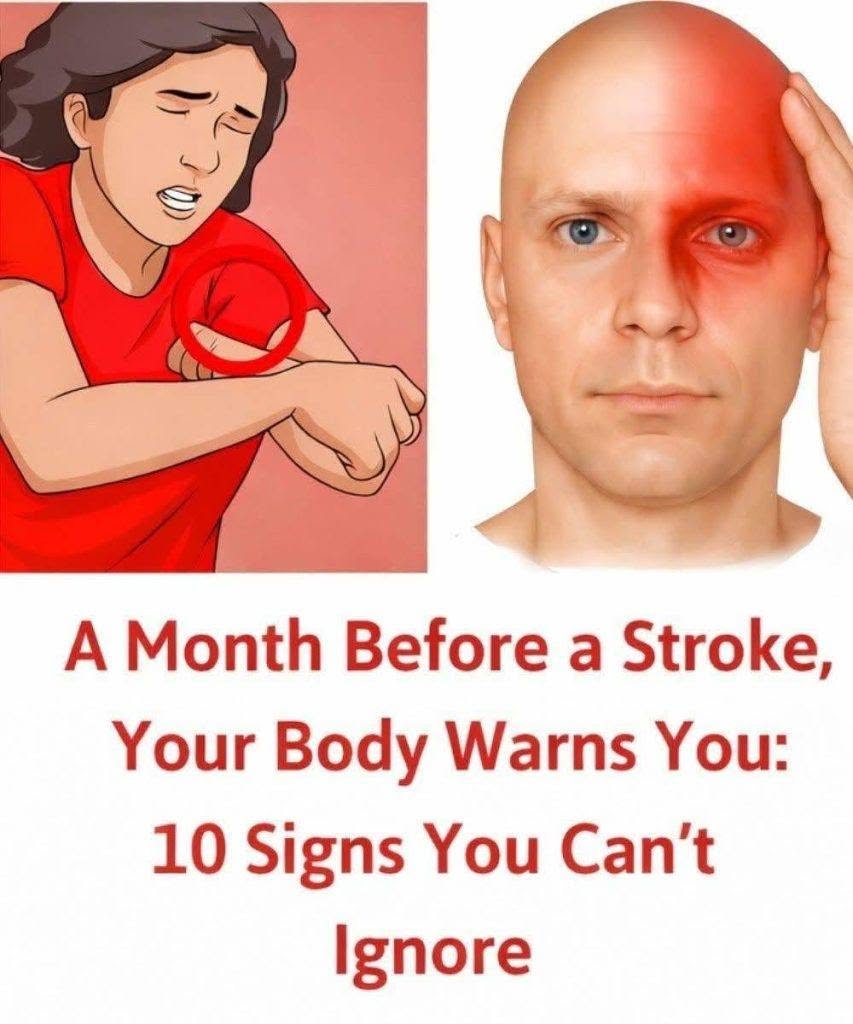
Stroke is one of the leading causes of long-term disability and death worldwide. Every year, millions of individuals and families are impacted by this sudden cerebrovascular event. While a stroke often appears to strike without any advance warning, medical research and clinical observations reveal that the human body frequently emits subtle warning signals weeks—or even a full month—before a major ischemic or hemorrhagic event occurs.
Recognizing these early warning indicators can literally mean the difference between life and death, or between a full recovery and permanent neurological impairment. By understanding the underlying vascular mechanisms, taking proactive steps toward cardiovascular health, and consulting healthcare professionals early, you can safeguard your well-being and protect your family from devastating medical emergencies.
Understanding Strokes and Early Warning Signals
A stroke occurs when the vital supply of blood and oxygen to a portion of the brain is interrupted or drastically reduced. Deprived of oxygen, brain cells begin to die within minutes. Strokes generally fall into two main categories: ischemic strokes, which occur when a blood clot blocks an artery leading to the brain, and hemorrhagic strokes, which happen when a weakened blood vessel ruptures and bleeds into surrounding brain tissue.
Before a full-blown stroke takes place, many patients experience temporary mini-strokes, formally known as Transient Ischemic Attacks (TIAs). A TIA occurs when blood flow to a region of the brain is briefly obstructed and then restored. Although the physical symptoms of a TIA may resolve within minutes or hours without leaving permanent damage, it serves as a critical neurological red flag—a serious warning sign that a major stroke could be imminent in the days or weeks ahead.
10 Warning Signs Your Body May Display Weeks Before a Stroke
Pay close attention to these common warning signs and subtle physical changes. Identifying these early indicators allows you to seek timely medical evaluations, adjust your lifestyle, and discuss preventative therapy options with a medical specialist.
1. Persistent, Sudden, or Unexplained Headaches
While ordinary tension headaches and migraines are common, a sudden, severe, or unusually localized headache can signal changes in cerebral blood flow or vascular pressure. If you experience a sudden “thunderclap” headache or a persistent ache unlike anything you have felt before, it warrants immediate medical evaluation.
2. Sudden Numbness or Weakness in the Limbs
A localized feeling of heaviness, weakness, or tingling—especially on one side of the body—is a classic pre-stroke indicator. You might notice difficulty lifting an arm, a tendency to drop objects unintentionally, or a sensation that one leg is dragging slightly while walking.
3. Facial Drooping or Asymmetry
Micro-vascular disruptions in brain tissue often manifest in subtle facial nerve weakness. Pay attention to sudden changes in your facial expression, such as a slight drooping on one side of the mouth, an uneven smile, or difficulty keeping one eye fully closed.
4. Unexpected Vision Changes or Double Vision
Transient vision loss, blurred vision in one or both eyes, or sudden double vision can occur when blood flow to the optic nerves or visual cortex is temporarily compromised. Many patients report a brief phenomenon where a dark shade seems to pull down over one eye before disappearing.
5. Sudden Slurring of Speech or Confusion
Difficulty forming words, choosing the correct vocabulary, or understanding simple spoken statements can indicate a temporary interruption in the brain’s language processing centers. Even if the confusion clears up after a few moments, it should never be dismissed.
6. Unexplained Dizziness and Loss of Balance
A sudden sensation of vertigo, unsteadiness, or losing your balance while doing routine tasks like walking or standing up can be linked to compromised blood circulation in the cerebellum or brainstem.
7. Unexplained Chronic Fatigue and Muscle Exhaustion
When blood circulation is impaired or blood pressure fluctuates erratically, the body must work significantly harder to supply tissue with essential oxygen. Unexplained, deep-seated exhaustion that does not improve with rest can sometimes accompany cardiovascular stress.
8. Sudden Changes in Memory and Cognitive Clarity
Lapses in short-term memory, sudden disorientation regarding time or place, or difficulty performing routine mental tasks—such as balancing a checkbook or following a familiar recipe—can stem from reduced cerebral perfusion.
9. Persistent Hiccups or Difficulty Swallowing (Dysphagia)
Although less common, persistent hiccups accompanied by slight chest discomfort or sudden difficulty swallowing liquids can occur when a TIA or minor vascular disruption impacts the nerve centers in the brainstem responsible for involuntary reflexes.
10. Sudden Fluctuations in Blood Pressure and Heart Palpitations
Uncontrolled hypertension (high blood pressure) is the single greatest modifiable risk factor for stroke. If you notice your blood pressure spiking unexpectedly or experience atrial fibrillation (an irregular, rapid heartbeat), your risk of clot formation rises significantly.
The Critical Importance of the B.A.S.T. / F.A.S.T. Protocols
When an acute stroke occurs, every minute counts. Neurons die rapidly, making immediate emergency response crucial. Medical organizations worldwide recommend using the F.A.S.T. acronym to evaluate acute symptoms rapidly:
-
F – Face: Ask the person to smile. Does one side of the face droop?
-
A – Arms: Ask the person to raise both arms. Does one arm drift downward?
-
S – Speech: Ask the person to repeat a simple phrase. Is their speech slurred or strange?
-
T – Time: If you observe any of these signs, call emergency medical services immediately.
+-------------------+---------------------------------------------+------------------------------------+
| Assessment Area   | Normal Response                             | Potential Stroke Indicator         |
+-------------------+---------------------------------------------+------------------------------------+
| Facial Symmetry   | Both sides of face elevate equally          | One side droops or feels numb      |
| Motor Control     | Both arms stay elevated without effort      | One arm drifts downward slowly     |
| Verbal Clarity    | Clear articulation and complete sentences   | Slurred, garbled, or confused words|
| Reaction Time     | Immediate response and situational awareness| Disorientation or delayed answers  |
+-------------------+---------------------------------------------+------------------------------------+
Risk Factors, Health Management, and Preventative Care
Understanding your personal health profile is essential for stroke prevention. Many underlying cardiovascular and metabolic conditions increase stroke risk, but with proper medical management, primary care visits, and appropriate insurance coverage, these risks can be systematically reduced.
Primary Modifiable Risk Factors
-
High Blood Pressure (Hypertension): Managing blood pressure through routine checkups, low-sodium dietary choices, and prescribed medication significantly lowers vascular stress.
-
Diabetes and High Blood Sugar: Uncontrolled blood sugar levels damage blood vessels throughout the body over time, facilitating arterial plaque buildup.
-
High Cholesterol: Elevated levels of low-density lipoprotein (LDL) contribute to atherosclerosis—the narrowing and hardening of arteries supplying the brain.
-
Smoking and Alcohol Consumption: Tobacco smoke damages vessel linings and increases blood clot formation, while excessive alcohol consumption elevates blood pressure.
Navigating Healthcare, Consultations, and Legal Considerations
Proactive healthcare management often requires navigating complex health insurance plans, schedule management for routine screening exams, and financial planning for wellness care. Ensuring you have robust medical insurance and access to qualified primary care doctors or neurologists enables early diagnostic testing, such as carotid ultrasound imaging, MRI scans, or CT angiograms.
In cases where medical care, prescription coverage, or disability benefits become necessary following a cerebrovascular event, consulting with legal services or healthcare advisory experts can help families navigate long-term care financing, disability insurance claims, and estate or retirement planning.
Practical Daily Tips to Improve Vascular and Cardiovascular Health
-
Adopt a Heart-Healthy Diet: Focus on whole foods, including leafy green vegetables, berries, nuts, olive oil, and lean proteins rich in omega-3 fatty acids like salmon.
-
Engage in Regular Physical Activity: Aim for at least 150 minutes of moderate aerobic exercise—such as brisk walking, cycling, or swimming—each week to improve circulation and lower arterial pressure.
-
Monitor Blood Pressure at Home: Invest in a reliable digital blood pressure monitor to keep track of your daily readings and share accurate logs with your doctor.
-
Stay Consistently Hydrated: Adequate water intake helps maintain optimal blood volume and reduces blood viscosity, supporting smoother circulation.
-
Manage Stress Levels: Chronic stress elevates cortisol and adrenaline levels, contributing to elevated heart rate and sustained high blood pressure. Practice mindfulness, deep breathing exercises, or outdoor walks to relax.
Fascinating Facts About Brain Health and Vascular Circulation
-
Enormous Oxygen Demand: Although the human brain accounts for only about 2% of total body weight, it consumes approximately 20% of the body’s total oxygen and glucose supply.
-
Vast Vessel Network: The human brain contains over 400 miles of microscopic blood vessels delivering vital nutrients to billions of neurons.
-
The Speed of Damage: During an acute ischemic stroke, an estimated 1.9 million brain cells die every single minute that treatment is delayed.
-
High Preventability Rate: The World Stroke Organization estimates that up to 80% of strokes are preventable through lifestyle modifications, early detection, and proper management of medical risk factors.
-
Circadian Patterns: Research indicates that strokes occur more frequently in the early morning hours, as blood pressure naturally rises upon waking and blood platelets are slightly stickier.
Frequently Asked Questions (FAQ)
Can a stroke really give warning signs a month in advance?
Yes. Many individuals experience subtle warning signs—such as transient ischemic attacks (TIAs), sudden localized weakness, unusual headaches, or temporary vision changes—weeks or months prior to a major stroke. These symptoms occur when blood flow to brain tissue is briefly restricted.
What is the main difference between a stroke and a TIA (mini-stroke)?
A Transient Ischemic Attack (TIA) is caused by a temporary blockage of blood flow to the brain that resolves on its own without causing permanent brain tissue damage. A stroke involves a prolonged blockage or hemorrhage that causes permanent brain cell death if not treated immediately.
Should I go to the emergency room if my symptoms resolve completely after a few minutes?
Yes, absolutely. A mini-stroke or temporary neurological episode is a major warning sign that a full stroke may follow soon. Immediate medical evaluation in an emergency department is necessary to determine the underlying cause and begin preventative treatment.
How does high blood pressure increase my risk of having a stroke?
High blood pressure places continuous mechanical stress on the inner walls of your arteries. Over time, this weakens blood vessels (making them prone to rupturing) and accelerates the buildup of fatty plaque deposits (increasing the risk of blood clots).
What medical tests are used to check for stroke risk?
Doctors commonly use blood pressure monitoring, blood lipid panels, electrocardiograms (ECG) to check for irregular heart rhythms like atrial fibrillation, carotid artery ultrasounds to evaluate neck vessel blockages, and brain imaging scans (CT or MRI).
Conclusion
Your body is a remarkably intuitive system that often signals when something is wrong inside your vascular network. By learning to recognize early warning signs—ranging from sudden numbness and vision changes to speech difficulties and severe headaches—you empower yourself and your loved ones to take immediate, life-saving action. Prioritizing regular health checkups, maintaining healthy cardiovascular habits, and responding quickly to warning signs are the most effective ways to protect your brain health and enjoy a long, vibrant life.
