
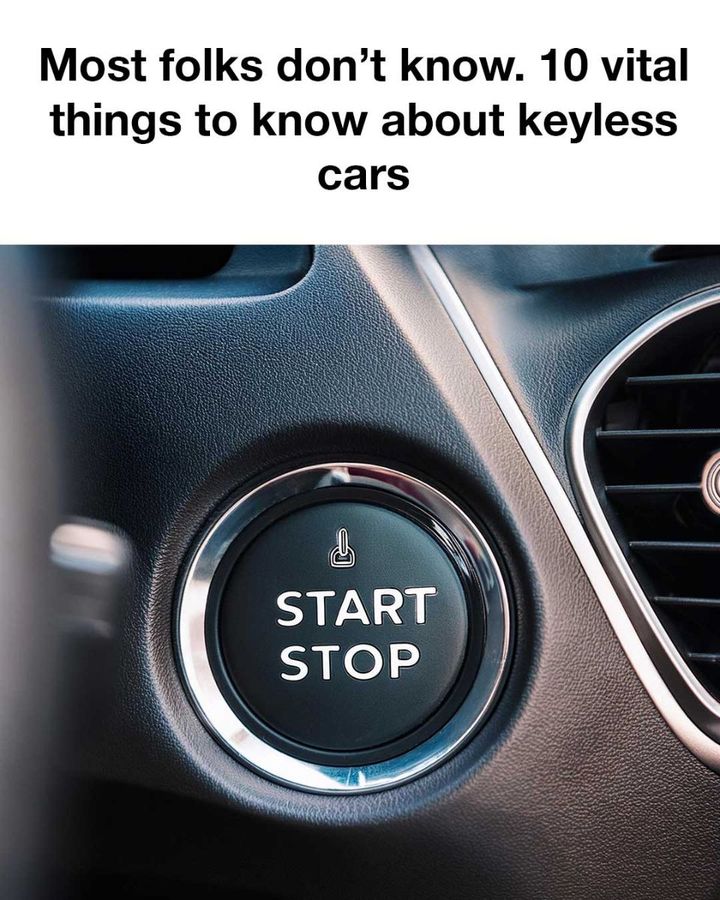
Keyless entry and push-button ignition systems have completely transformed the modern automotive experience. Gone are the days of fumbling through pockets or purses for a traditional metal key on a cold, rainy night. Today, simply walking up to your vehicle with a smart key fob in your pocket allows you to unlock the doors instantly, press a button on the dashboard, and drive away smoothly.
However, while modern keyless ignition technology offers unprecedented convenience, it also introduces unique operational quirks, hidden safety considerations, and maintenance requirements that many car owners are completely unaware of. From security vulnerabilities to unexpected battery failures, understanding how keyless ignition systems work is crucial for every vehicle owner.
Knowing these essential details not only safeguards your investment and helps avoid costly auto repairs, but also ensures your auto insurance coverage stays valid and protects your family during road trips or daily commutes.
How Keyless Entry and Push-Button Start Systems Function
At the core of modern keyless entry technology is a network of low-frequency radio transmitters and sensors built directly into your vehicle’s bodywork and interior dashboard. When you approach your vehicle carrying your electronic key fob, the car continuously emits short-range radio signals searching for a unique encrypted security code.
Once the key fob receives this signal, it responds by transmitting its authenticated security token back to the vehicle’s central electronic control unit (ECU). If the digital codes match, the vehicle unlocks the door handles and activates the push-button start circuit, allowing you to start the engine by simply depressing the brake pedal and pushing the start-stop button.
Understanding this continuous radio dialogue between your key fob and your automobile is essential to unlocking the full potential of keyless features while avoiding unintended security risks or battery drain.
10 Vital Things You Must Know About Keyless Cars
Whether you recently purchased a new vehicle equipped with smart ignition technology or have been driving a keyless car for years, here are ten vital facts every driver should master to maximize convenience, safety, and performance.
1. How to Start Your Car When the Key Fob Battery Dies
One of the most common fears among keyless vehicle owners is getting stranded when the key fob battery runs completely dead. Fortunately, automotive engineers anticipated this scenario. Inside nearly every digital key fob is a hidden mechanical key blade that can be released with a small latch to manually unlock the door.
Once inside, holding the back or tip of the dead key fob directly against the push-button start switch—or placing it in a designated backup slot inside the center console—will allow an embedded passive RFID chip to communicate with the car and start the engine without needing any internal battery power.
2. The Hidden Hazard of Carbon Monoxide in Attached Garages
Because keyless cars operate so quietly—especially modern hybrid and electric vehicles—drivers often forget to press the engine start-stop button when parking inside an attached home garage. If a gasoline engine continues running unattended in an enclosed space, deadly carbon monoxide gas can build up rapidly and seep into living spaces above or adjacent to the garage. Always double-check that your dashboard instrument cluster is completely dark before stepping away from your vehicle.
3. Relay Attacks: How Thieves Exploit Wireless Signals
Modern car thieves use sophisticated electronic devices to perform “relay attacks” on keyless entry systems. By standing near your home’s front door or windows with a radio signal amplifier, criminals can capture the signal from your key fob sitting on a entry table, amplify it, and relay it to an accomplice standing right next to your car in the driveway. The car is fooled into thinking the key fob is physically nearby, allowing thieves to unlock and start the vehicle in seconds.
4. How Faraday Pouches Prevent Vehicle Theft
To combat relay attacks and protect your investment, storing your key fobs in a specialized signal-blocking Faraday box or pouch at home is highly recommended. These inexpensive pouches are lined with conductive metal mesh that completely blocks radio signals, preventing unauthorized interception by tech-savvy thieves and lowering the risk of filing expensive auto insurance claims.
5. Why You Can Drive Away Without the Key Fob (and Get Stranded)
Once a keyless car engine is running, it will generally remain running even if the key fob leaves the interior cab. If you drop a passenger off with the key fob in their pocket or purse, you will be able to drive away safely, but a warning message will flash on the dashboard. However, once you park and turn off the engine, you will be completely stranded and unable to restart the vehicle until the key fob is retrieved.
6. Steering Wheel Lock Features and Emergency Engine Shut-Off
In traditional vehicles, turning the physical ignition key shuts off the engine and locks the steering wheel simultaneously. In a keyless vehicle, shutting off the engine while moving in an emergency requires holding down the push-button start button for 3 to 5 seconds continuously, or pressing it rapidly three times in succession. Knowing this emergency procedure is essential for driving safety.
7. Key Fob Batteries Drain Faster Than Traditional Remote Keys
Unlike traditional remote clickers that only broadcast signals when you physically press a button, smart key fobs are constantly emitting and listening for radio frequencies to enable proximity unlocking. As a result, CR2032 or CR2025 coin cell batteries inside smart key fobs typically require replacement every 1 to 2 years. Keeping a spare battery in your glove compartment can save you from unexpected hassle.
8. Replacing Lost Smart Keys Can Be Extremely Expensive
Losing a traditional metal ignition key used to cost a few dollars at a local hardware store. By contrast, replacing a modern key fob with encrypted smart capabilities often requires dealership programming and specialized diagnostic equipment, pushing costs upwards of several hundred dollars. Adding key replacement coverage to your auto insurance policy or purchasing specialized vehicle protection plans can mitigate this unexpected financial burden.
9. Leaving Key Fobs Too Close to the Car Drains Your Car Battery
If you park your car in a garage or driveway and hang your key fob within 10 to 15 feet of the vehicle, the car and fob may stay in constant radio communication. This continuous “handshake” prevents the vehicle’s onboard computers from entering deep sleep mode, slowly draining both your key fob battery and your vehicle’s main 12-volt starter battery overnight.
10. You Must Press the Brake Pedal Firmly to Start the Engine
Pressing the push-button start without depressing the brake pedal will only cycle the vehicle’s electrical system into “Accessory” or “Ignition On” modes. If your vehicle refuses to turn on, ensure you are stepping firmly on the brake pedal (or clutch pedal for manual transmissions) before pressing the start button.
+------------------------------------+---------------------------------------+--------------------------------------+
| Feature / Scenario                 | Common Misconception                  | Actual Recommended Action            |
+------------------------------------+---------------------------------------+--------------------------------------+
| Dead Key Fob Battery               | Car is completely inoperable          | Use physical blade; push button w/ fob|
| Overnight Parking                  | Key fob can sit anywhere inside home  | Store fob >15ft away in Faraday pouch|
| Emergency Engine Shutdown          | Single press stops car while moving   | Hold button 3-5 sec or press 3 times |
| Parking in Garage                  | Engine shuts off automatically        | Manually verify ignition is OFF      |
+------------------------------------+---------------------------------------+--------------------------------------+
Smart Financial and Insurance Considerations for Keyless Car Owners
Owning a high-tech vehicle equipped with advanced electronic ignitions involves financial considerations that extend beyond routine maintenance oil changes or tire rotations.
Protecting Your Investment with Comprehensive Auto Insurance
Because keyless cars rely heavily on advanced computer modules, electronic sensors, and digital security systems, repairing damage following an attempted theft or electrical malfunction can be costly. Ensuring your auto insurance policy includes comprehensive coverage, rental car reimbursement, and roadside assistance guarantees peace of mind if an unexpected electronic failure occurs.
Smart Auto Financing and Extended Warranties
When purchasing or financing a new or pre-owned vehicle featuring keyless entry, consider whether an extended service agreement or mechanical breakdown protection makes sense for your budget. While mechanical engine components are built to last, replacement of factory infotainment units and keyless ignition modules can involve significant repair bills once original manufacturer warranties expire.
Practical Daily Tips for Managing Keyless Ignition Vehicles
-
Keep Fobs at a Distance: Store your key fobs at least 15 to 20 feet away from where your vehicle is parked at night to prevent continuous background signal draining.
-
Carry Replacement Coin Batteries: Keep a couple of fresh CR2032 or CR2025 batteries in your home desk or vehicle glovebox so you are never caught unprepared.
-
Establish a Garage Routine: Develop a consistent habit of looking at your instrument panel to confirm all lights and engine indicators are fully powered down before leaving your vehicle.
-
Clean Key Fobs Carefully: Avoid exposing your key fob to moisture or harsh chemical cleaners, as internal circuit board corrosion can disrupt proximity sensors.
-
Set Up Secondary Fobs: Make sure all primary drivers in your household have their own assigned, programmed smart key to prevent getting locked out during busy morning schedules.
Fascinating Historical and Tech Facts About Keyless Systems
-
Pioneering Debut: The world’s first commercial keyless entry and start system was introduced by Siemens and Mercedes-Benz in the late 1990s under the trademark name “Keyless Go.”
-
Radio Spectrum Utilization: Keyless remote systems typically operate across ultra-high frequency (UHF) radio bands, commonly around 315 MHz in North America and 433.92 MHz in Europe.
-
Rolling Cryptographic Codes: Modern key fobs change their transmitted digital authorization code every single time the button is pressed or recognized, utilizing advanced encryption algorithms to defeat basic code grabbers.
-
Proximity Radius Precision: Internal cabin antennas can distinguish whether a key fob is located inside the vehicle interior or outside near the trunk within a margin of just a few inches.
-
Automated Safety Overrides: Most keyless vehicles will sound a distinct exterior horn chime if you attempt to lock the doors from the outside while a key fob is still inside the vehicle, preventing accidental lockouts.
Frequently Asked Questions (FAQ)
What should I do if my keyless car won’t start even with a new key fob battery?
If your car fails to start despite installing a new key fob battery, verify that you are depressing the brake pedal firmly while pressing the start button. If the engine still does not crank, check your main 12-volt car battery for depletion or consult a certified automotive repair technician to inspect the starter motor or brake pedal position sensor.
Can a keyless car engine be turned off while driving on the highway?
Automobile manufacturers design keyless ignition systems with safety locks to prevent accidental engine shutdown if the start-stop button is brushed inadvertently while driving. To shut down the engine in a genuine emergency, you must press and hold the button for several seconds or tap it repeatedly in quick succession.
Is it safe to store my key fob near my smartphone or laptop?
While temporary proximity to laptops or smartphones will not damage your key fob, placing them directly next to each other for extended periods can occasionally cause electromagnetic interference, momentarily disrupting the key fob’s radio transmission.
Will my car automatically turn off if I walk away with the key fob?
In most vehicles, the engine will NOT automatically shut down simply because the key fob moves out of range. The car will continue running so you do not lose power steering or braking control in traffic, but a prominent warning message will appear on your dashboard.
How do I know if my key fob battery is getting low?
Most modern vehicles display a specific warning notification on the dashboard instrument cluster—such as “Key Fob Battery Low”—weeks before the battery is completely exhausted. Additionally, you may notice that the proximity unlock feature requires you to stand much closer to the car door handle than usual.
Conclusion
Keyless entry and push-button ignition systems bring undeniable comfort, modern style, and effortless convenience to daily driving. By understanding how these sophisticated radio systems operate, taking simple preventative steps against relay signal theft, and knowing emergency bypass procedures when key batteries fail, you can enjoy all the benefits of modern vehicle technology while protecting your safety and financial peace of mind on every journey.
