
There is a timeless magic in preserving fresh seasonal fruits into vibrant, rich fruit cordials and concentrated fruit syrups. Long before store-bought sodas and artificial energy drinks filled grocery store shelves, families around the globe relied on artisan botanical syrups, fruit-infused elixirs, and homemade cordials to quench thirst, celebrate harvest seasons, and nourish loved ones.
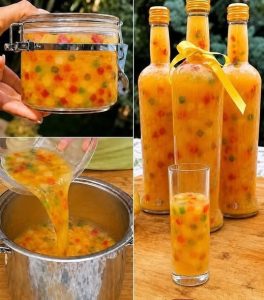
Visualizing a jar filled with finely diced colorful fruits—vibrant citrus oranges, rich berries, and crisp apples swimming in a golden natural syrup—evokes nostalgia and culinary warmth. Making your own homemade fruit cordial is not only a delightful kitchen project, but it also allows complete control over ingredients, ensuring a wholesome, antioxidant-rich beverage free from synthetic preservatives, artificial dyes, or high-fructose corn syrup.
In this ultimate guide, we dive deep into the rich history of traditional fruit cordials, explore the step-by-step master recipe, unpack the health benefits of citrus and seasonal fruits, and reveal smart practical tips to help you bottle your own homemade liquid sunshine.
What Is a Fruit Cordial? Understanding the Heritage of Fruit Syrups
The term “cordial” historically referred to tonic liquids or medicinal concoctions designed to invigorate the heart and body (derived from the Latin word cor, meaning heart). Over centuries, European, Mediterranean, and Latin American culinary traditions evolved cordials into concentrated non-alcoholic fruit syrups infused with citrus, berries, spices, and natural sweeteners.
How Fruit Cordials Work
Unlike raw juices that spoil within days, a traditional cordial uses natural fruit sugars and gentle reduction heat to extract aromatic essential oils, juices, and natural pectin. This process creates a thick, concentrated liquid studded with fruit pieces or strained until crystal clear.
When served, a small pour of fruit cordial is diluted with chilled still water, sparkling water, or hot tea, turning a single bottle of syrup into gallons of refreshing, flavor-packed beverages.
+------------------------+-------------------------------------------------------+
| Key Component          | Primary Role in Homemade Fruit Cordial                |
+------------------------+-------------------------------------------------------+
| Citrus Juice & Zest    | Provides essential acids, Vitamin C, and top notes     |
| Chopped Mixed Fruits   | Delivers rich natural flavor, color, and texture      |
| Natural Sweetener      | Acts as a natural preservative and enhances body      |
| Aromatic Spices        | Adds depth, complexity, and soothing digestive traits |
+------------------------+-------------------------------------------------------+
Nutritional Powerhouse: Health Benefits of Homemade Citrus Cordials
Crafting drinks from scratch with real citrus fruits—such as oranges, lemons, mandarins, and limes—alongside diced apples and berries unlocks an abundance of essential nutrients that support everyday vitality.
1. Rich Source of Vitamin C and Bioflavonoids
Citrus fruits are famous for their high concentration of Vitamin C (ascorbic acid) and citrus bioflavonoids like hesperidin and naringin. These nutrients play a critical role in supporting collagen production, enhancing vascular strength, and bolstering immune function during seasonal changes.
2. Natural Hydration and Electrolyte Support
Staying hydrated throughout the day is crucial for physical stamina and cognitive function. Homemade fruit syrups mixed with clean filtered water encourage better daily fluid intake. Natural fruit sugars combined with potassium and magnesium from fresh citrus help replenish essential electrolytes after work or light exercise.
3. Digestive Support and Liver Vitality
Citric acid found in fresh citrus juices naturally stimulates digestive enzymes and encourages healthy bile production. Sipping warm water mixed with a tablespoon of citrus fruit cordial after meals can help soothe occasional mild bloating and support natural digestive ease.
The Master Recipe: Homemade Citrus & Mixed Fruit Cordial
This master recipe creates a stunning batch of golden citrus-infused syrup studded with colorful fruit bits, perfect for storing in airtight glass jars and elegant decorative bottles.
Ingredients Needed:
-
4 fresh oranges (juiced, with zest preserved)
-
2 fresh lemons or limes (juiced)
-
1 medium red apple or pear (finely diced)
-
1 cup mixed fruits (such as diced peaches, kiwi, or strawberries)
-
2 cups pure filtered water
-
1.5 to 2 cups organic raw sugar or natural honey
-
1 cinnamon stick or 2 cardamom pods (optional for warmth)
Step-by-Step Directions:
Step 1: Prep the Fresh Fruits
Wash all fresh fruits thoroughly under cool running water. Zest two of the oranges and one lemon using a microplane. Slice the oranges and lemons in half and extract their fresh juice. Finely dice your red apples, kiwi, or chosen mixed fruits into small, uniform cubes.
Step 2: Combine in the Pot
In a large stainless-steel pot, pour the freshly squeezed citrus juices, filtered water, orange and lemon zests, and the finely diced mixed fruit pieces. Add the cinnamon stick or cardamom pods if desired.
Step 3: Gentle Heating and Extraction
Place the pot over medium heat and bring the liquid to a gentle simmer. Lower the heat and allow the fruit mixture to simmer softly for 15 to 20 minutes. This allows the fruit pieces to soften, releasing their natural juices, vibrant pigments, and essential oils into the base liquid.
Step 4: Add Sweetener and Create the Syrup
Slowly stir in the raw organic sugar or honey until completely dissolved. Maintain a low simmer for another 10 to 12 minutes until the liquid thickens into a rich, golden, translucent syrup that lightly coats the back of a spoon.
Step 5: Bottle and Seal
Remove the pot from the heat and allow the mixture to cool slightly. Using a funnel, pour the warm syrup—along with the colorful diced fruit pieces—into clean, sterilized swing-top glass bottles or wide-mouth mason jars. Seal tightly and let the cordial cool completely at room temperature before transferring to the refrigerator.
Smart Ways to Serve and Enjoy Your Fruit Cordial
One of the greatest virtues of a concentrated fruit cordial is its remarkable versatility in the kitchen.
-
Sparkling Citrus Cooler: Pour 2 tablespoons of chilled fruit cordial into a tall glass over ice. Top with sparkling mineral water or club soda, stir gently, and garnish with a fresh mint sprig.
-
Cozy Herbal Tea Booster: Stir 1 to 2 spoonfuls of syrup into a warm mug of hot water, chamomile tea, or green tea for a soothing evening tonic.
-
Breakfast Pancake & Waffle Drizzle: Drizzle the thick syrup and warm fruit pieces directly over homemade pancakes, waffles, French toast, or bowl of Greek yogurt.
-
Artisan Mocktails: Shake the cordial with crushed ice, fresh lime juice, and a splash of coconut water for a sophisticated non-alcoholic party drink.
Financial and Lifestyle Advantages of Homemade Beverages
Choosing to make artisan beverages and preserved fruit syrups at home offers benefits that extend far beyond taste and nutrition—it makes great financial sense for households looking to maximize their budgets.
1. Significant Household Savings
Specialty fruit juices, sodas, and branded bottled beverages represent a major recurring expense on weekly grocery bills. By utilizing whole seasonal fruits—often bought in bulk or harvested from local markets—and turning them into concentrated cordials, families can make gallons of premium beverages at a fraction of retail prices.
2. Reducing Household Waste
Preserving surplus fruits into cordials is an ideal way to reduce food waste. Overripe oranges, slightly soft apples, or excess seasonal berries that might otherwise go unused can be transformed into delicious syrups that keep well in the refrigerator for weeks.
3. Financial Wellness and Smart Planning
Trimming everyday consumer spending on convenience products frees up valuable capital for important long-term financial priorities. Whether building an emergency fund, making smart investment contributions, securing comprehensive health or life insurance coverage, or funding retirement accounts, small daily savings on food and beverages compound significantly over time.
Practical Tips for Canning and Long-Term Storage
-
Sterilize Your Glassware: Always boil your glass jars, bottles, and lids in hot water prior to filling to ensure maximum cleanliness and shelf stability.
-
Keep the Fruit Submerged: Ensure the diced fruit bits remain fully submerged in the sugary liquid to prevent surface exposure and oxidation.
-
Refrigeration: Store unopened jars in a cool, dark pantry or keep them refrigerated. Once opened, keep your fruit cordial in the refrigerator and use within 3 to 4 weeks.
-
Adjust Sweetness to Taste: Sugar acts as a natural preservative in cordials. If you reduce the sugar content drastically, store the syrup in the refrigerator and consume it within 7 to 10 days, or freeze it in ice cube trays for long-term storage.
Fascinating Facts About Fruit Cordials and Preserving Traditions
-
Maritime Tradition: British navy vessels in the 1800s carried concentrated lime cordial to protect sailors from vitamin deficiencies during long global voyages.
-
Pectin Magic: Fruits like apples and citrus peels contain high levels of natural pectin, which gives homemade cordials their satisfying, silky texture without chemical thickeners.
-
Zero Waste Citrus: Citrus peels contain up to 10 times more vitamins than the fruit juice itself, as well as aromatic essential oils that give cordials their bright aroma.
Frequently Asked Questions (FAQ)
How long does homemade fruit cordial last in the refrigerator?
When stored in clean, airtight glass bottles under refrigeration, a traditional sugar-preserved fruit cordial will keep fresh and delicious for 3 to 4 weeks.
Can I strain out the fruit pieces for a clear syrup?
Absolutely. If you prefer a completely smooth syrup for mixing drinks or cocktails, simply pour the warm cooked mixture through a fine mesh strainer or cheesecloth before bottling.
What are the best fruits to use in a fruit cordial?
Citrus fruits (oranges, lemons, limes, tangerines) form the ideal base due to their acidity. Apples, pears, berries, peaches, and plums make wonderful additions that contribute deep color and rich natural flavor.
Is fruit cordial suitable for kids?
Yes! Homemade fruit cordial diluted with water or sparkling water is a fantastic, natural alternative to commercial soft drinks for children, containing no artificial colors or additives.
Conclusion
Creating your own homemade citrus and mixed fruit cordial is a rewarding, economical, and delicious way to bring natural wellness into your daily life. Packed with vital Vitamin C, vibrant natural flavors, and botanical goodness, this versatile fruit syrup brightens up breakfasts, afternoon refreshments, and warm evening tonics alike.
By taking control of what goes into your kitchen, reducing food waste, and embracing simple homemade traditions, you foster both physical vitality and financial well-being. Gather your favorite fresh fruits today, brew a fresh batch of golden cordial, and enjoy a bottle of pure homemade flavor!
