
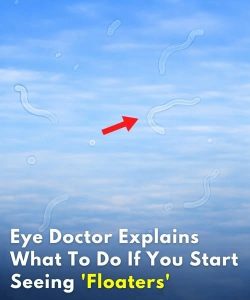
Have you ever looked up at a bright blue sky, a white wall, or a clear computer screen and noticed tiny, translucent squiggly lines, cobwebs, or floating specks drifting across your field of vision? When you try to look directly at them, do they seem to dart away, only to drift back slowly when your eyes stop moving?
If this experience sounds familiar, you are seeing what eye care professionals call eye floaters (scientifically referred to as myodesopsia). While noticing floating shapes inside your vision can be startling at first, eye floaters are extremely common. In most instances, they represent a harmless, natural part of the eye’s aging process. However, there are specific warning signs when a sudden increase in floaters can indicate an underlying medical emergency requiring immediate attention from an eye doctor.
In this comprehensive health guide, we break down everything you need to know about eye floaters: what actually causes them inside your eye, when they are normal versus when they signal danger, how optometrists and ophthalmologists evaluate them, and practical steps you can take to protect your vision for the long term.
What Are Eye Floaters? Understanding the Biology of Your Eyes
To understand why floaters appear, it helps to examine the inner structure of the human eye.
The main chamber of your eye—located between the crystalline lens at the front and the light-sensitive retina at the back—is filled with a clear, gel-like substance called the vitreous humor (or vitreous body). During youth, the vitreous gel is firm, uniform, and perfectly transparent, allowing light rays to pass freely onto the retina to form sharp images.
How Floaters Form Inside the Vitreous
As we age, the vitreous gel gradually undergoes a natural liquefaction process:
-
Collagen Aggregation: Over time, the vitreous gel slowly breaks down and shrinks, causing micro-fibers of collagen proteins inside the gel to clump together.
-
Casting Shadows: These microscopic protein clumps and cellular debris float freely within the liquefied vitreous gel.
-
Visual Perception: When ambient light enters through the pupil, these floating protein strands block a small portion of the light rays, casting subtle shadows onto your retina. What you perceive as a “floater” is actually the shadow cast by those microscopic protein clumps inside your eye!
+--------------------------+-------------------------------------------------------------+
| Eye Structure            | Function in Floater Formation                               |
+--------------------------+-------------------------------------------------------------+
| Vitreous Humor           | Clear gel-like substance that slowly liquefies over time    |
| Collagen Protein Fibers  | Microscopic strands that clump together inside the vitreous  |
| Retina                   | The light-sensitive layer that registers floaters as shadows |
+--------------------------+-------------------------------------------------------------+
Common Causes and Risk Factors for Eye Floaters
While age-related vitreous changes represent the vast majority of floater cases, several underlying factors can increase your likelihood of experiencing floaters earlier in life or in greater frequency.
1. Natural Age-Related Vitreous Changes
Most individuals begin to notice eye floaters between the ages of 50 and 70. As the vitreous gel progressively detaches from the surface of the retina—a completely normal process known as Posterior Vitreous Detachment (PVD)—new floaters naturally appear.
2. High Nearsightedness (Myopia)
People who are severely nearsighted have elongated eye shapes. This anatomical stretching causes the vitreous gel to thin out, age, and liquefy earlier in life, making myopic individuals significantly more prone to developing floaters at a younger age.
3. Eye Inflammation (Uveitis)
Inflammation in the middle layers of the eye (uveitis) can release inflammatory debris, white blood cells, and protein fragments into the vitreous body, leading to the sudden appearance of noticeable visual floaters.
4. Intraocular Surgery or Eye Trauma
Prior eye surgeries, such as cataract removal or laser treatments, as well as physical eye injuries, can accelerate changes in the vitreous gel and lead to elevated floater activity.
5. Diabetic Retinopathy and Vascular Issues
Individuals living with chronic conditions like diabetes may experience microvascular damage in the retina. Tiny blood vessels can leak microscopic blood droplets into the vitreous humor, which register visually as dark specks or dense cloud-like floaters.
Warning Signs: When Are Floaters an Emergency?
While most floaters are benign and harmless, a sudden onset of new floaters can sometimes signal a serious retinal condition. Knowing the difference between routine floaters and critical emergency symptoms is essential for protecting your sight.
The “Red Flag” Symptoms to Watch For:
-
Sudden Shower of New Floaters: A dramatic, sudden increase in the number or size of floaters appearing within hours or days.
-
Flashing Lights (Photopsia): Seeing quick flashes of light, sparks, or lightning-like streaks in your peripheral vision, especially in dark environments.
-
A Dark Curtain or Shadow: A dark shadow, curtain, or veil falling across a portion of your central or peripheral vision.
-
Blurred or Distorted Vision: Sudden loss of visual clarity in one eye accompanying new floaters.
CRITICAL MEDICAL NOTE: If you experience any of these four warning symptoms, seek emergency evaluation from an optometrist, ophthalmologist, or hospital emergency room immediately. These signs often indicate a retinal tear or retinal detachment, which requires rapid professional intervention to prevent permanent vision loss.
What To Do If You Start Seeing Floaters: Step-by-Step Action Plan
If you notice floaters in your vision for the first time, follow this systematic guidance recommended by eye care specialists.
Step 1: Schedule a Comprehensive Dilated Eye Exam
Even if your floaters seem minor, it is critical to consult an eye doctor for a formal dilated eye examination. During this exam, special eye drops are used to enlarge your pupils, allowing the practitioner to examine the entire vitreous cavity and full circumference of your retina using specialized magnification lenses.
Step 2: Practice Visual Adaptation
For standard, harmless floaters caused by normal vitreous aging, treatment is rarely recommended or necessary. Over time, your brain naturally undergoes a process called neuroadaptation, learning to filter out persistent floaters so they no longer register in your daily conscious vision.
Step 3: Use the Eye Movement Technique
When a floater drifts directly into your line of sight while reading or driving, simply move your eyes up and down or side to side. Shifting your gaze moves the internal fluid in your eye, shifting the floating debris away from your central vision field.
Step 4: Adjust Lighting and Digital Screens
Floaters are most visible against bright, uniform backgrounds. Lowering the brightness on computer monitors, using “dark mode” settings on smartphones, and wearing UV-blocking polarized sunglasses outdoors can significantly reduce the visibility and annoyance of floaters.
Financial, Health, and Insurance Considerations for Eye Care
Proactively managing your eye health is not only crucial for preserving sight, but it also makes strong financial sense in long-term household planning.
Vision Insurance vs. Medical Health Insurance
Understanding how healthcare coverage applies to eye care helps avoid unexpected medical costs:
-
Routine Vision Care: Standard vision insurance typically covers preventative annual eye exams, prescription glasses, and contact lenses.
-
Medical Eye Conditions: Diagnostics and treatments for eye floaters, retinal tears, diabetic eye exams, or sudden visual flashes fall under primary medical insurance policies rather than routine vision plans.
Financial Advantages of Early Prevention
Addressing potential eye complications like retinal tears early through simple laser procedures (retinopexy) prevents catastrophic visual damage. Untreated retinal detachments can require invasive, expensive surgical interventions, prolonged recovery periods, and time off work. Prioritizing routine health checkups safeguards both your physical vitality and financial peace of mind.
Advanced Treatment Options for Severe Floaters
For the vast majority of people, floaters are best left untreated. However, in rare instances where dense floaters severely obstruct daily tasks like driving or reading, advanced medical treatments exist:
-
Vitrectomy Surgery: A delicate surgical procedure where an ophthalmologist removes the natural vitreous gel (along with its floater debris) and replaces it with a sterile saline solution. Because vitrectomy carries risks like cataract development or infection, it is reserved strictly for severe cases.
-
Laser Vitreolysis: A non-invasive outpatient laser treatment that uses focused light pulses to break large collagen floaters into smaller, less noticeable microscopic particles.
Practical Tips for Overall Eye Health and Longevity
Supporting your overall ocular health through positive lifestyle habits can slow down degenerative changes in the eye tissue.
-
Eat Antioxidant-Rich Foods: Incorporate leafy green vegetables (spinach, kale), yellow-orange fruits, wild fish rich in Omega-3 fatty acids, and citrus fruits to nourish retinal cells.
-
Stay Well Hydrated: Drinking adequate water throughout the day maintains proper fluid balance throughout the body, including the vitreous humor.
-
Protect Your Eyes from UV Light: Always wear 100% UV-blocking sunglasses when spending time outdoors to shield ocular tissues from solar radiation.
-
Take Regular Screen Breaks: Follow the 20-20-20 rule during screen time: every 20 minutes, look at an object 20 feet away for at least 20 seconds to reduce visual fatigue.
Fascinating Facts About Human Vision and Floaters
-
Self-Luminous Phenomena: Blue field entoptic phenomenon occurs when you see tiny bright dots moving rapidly against a blue sky; these are actually your own white blood cells moving through the microcapillaries in front of your retina!
-
Brain Filtering: Your visual cortex actively works to edit out predictable visual obstacles like floaters and internal blood vessel shadows, creating a smooth visual experience.
-
Universal Occurrence: Nearly 70% to 80% of adults will experience noticeable eye floaters at some point in their lifetime.
Frequently Asked Questions (FAQ)
Can eye floaters go away on their own?
Floaters rarely disappear completely, but they often settle down toward the bottom of the eye out of your direct line of sight. Over time, your brain also learns to adapt and ignore them.
Do eye drops or dietary supplements cure floaters?
Currently, there are no scientifically proven over-the-counter eye drops or dietary supplements that can dissolve existing collagen floaters inside the vitreous gel. Always consult your ophthalmologist before starting new ocular supplements.
Can stress cause eye floaters?
Stress does not directly cause protein clumps to form inside the eye, but elevated stress and fatigue can make your nervous system more hyper-aware of visual distractions, making existing floaters feel more noticeable.
Are eye floaters dangerous?
In the majority of cases, floaters are completely harmless. However, a sudden burst of new floaters accompanied by flashes of light or vision loss requires urgent medical attention to rule out a retinal detachment.
Conclusion
Eye floaters are a widespread visual phenomenon that millions of adults experience every day. Understanding that tiny translucent squiggles are usually just natural protein strands casting shadows on your retina provides comfort and clarity.
By staying attentive to warning signs, scheduling regular comprehensive dilated eye exams with your eye doctor, and taking care of your broader systemic health through proper nutrition and hydration, you can enjoy clear, healthy vision and total peace of mind for decades to come.
