
Home maintenance can often feel like a series of ongoing mysteries. From strange noises in the plumbing pipes to unexpected tips from visiting trade professionals, everyday household upkeep occasionally presents puzzles that leave homeowners completely baffled.
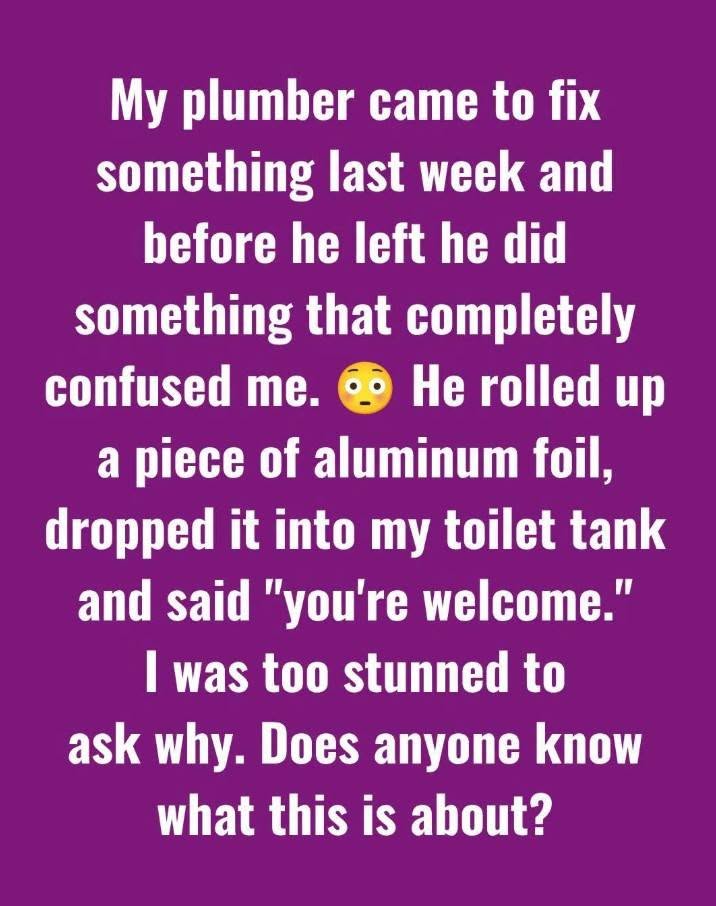
Imagine walking into your bathroom after a plumbing repair, only to watch your technician roll up a simple sheet of aluminum foil, drop it right into the toilet tank, and walk away with a cryptic “you’re welcome”. For anyone who has witnessed this viral home hack or seen similar tricks circulating online, the immediate reaction is usually sheer confusion: what on earth is aluminum foil supposed to do inside a toilet tank?
In this comprehensive guide, we explore the truth behind viral plumbing hacks, how toilet tanks function, smart home maintenance strategies, and how understanding household repairs can save you time, money, and stress.
Inside the Toilet Tank: How Plumbing Systems Work
To evaluate any plumbing trick, it helps to first understand the mechanics of a standard gravity-flush toilet.
The toilet tank serves as a temporary reservoir holding clean water ready for the next flush. Inside this tank, several key components work together seamlessly:
-
The Fill Valve: Regulates incoming water from your home supply line, refilling the tank to the proper water level after each flush.
-
The Flapper: A rubber seal at the bottom of the tank that lifts when you press the flush handle, releasing water rapidly into the bowl below.
-
The Overflow Tube: Prevents water from spilling over the rim of the tank if the fill valve malfunctions.
The Myth vs. Reality of Aluminum Foil in Plumbing
Over the years, various internet trends and social media “life hacks” have suggested placing aluminum foil, pennies, or cleaning tablets inside toilet tanks to clean parts, prevent mineral buildup, or stop corrosion.
However, professional plumbers and plumbing engineers generally advise caution regarding these viral tricks. While aluminum foil does not instantly damage a toilet tank, dropping loose metal objects or reactive materials into standing water can sometimes lead to unintended consequences:
-
Corrosion and Chemical Reactions: Aluminum can interact with certain hard water minerals and chemical tank tablets, potentially creating residue or pitting metal components like flush chains and bolts.
-
Interfering with Moving Parts: Loose items can float or shift, occasionally getting caught under the rubber flapper and causing a continuous, silent water leak that drives up household utility bills.
+--------------------------+--------------------------------------------------------------+
| Plumbing Component       | Primary Function in Your Toilet Tank                         |
+--------------------------+--------------------------------------------------------------+
| Fill Valve               | Controls water replenishment after every flush               |
| Rubber Flapper           | Seals the flush valve opening at the bottom of the tank      |
| Flush Chain              | Connects the trip lever to the flapper                       |
| Overflow Tube            | Directs excess water safely down the drain if needed         |
+--------------------------+--------------------------------------------------------------+
Financial, Health, and Maintenance Considerations for Home Plumbing
Maintaining your home’s plumbing system requires a balanced approach combining routine inspections, preventative care, and professional expertise.
1. The Cost of DIY Hacks vs. Professional Repairs
While experimenting with internet cleaning hacks can be tempting, relying on unverified shortcuts sometimes results in expensive plumbing repairs. A small leak caused by a blocked flapper can waste hundreds of gallons of water per day, significantly inflating your monthly municipal water bill.
2. Home Insurance and Water Damage Protection
Major plumbing failures—such as supply line bursts or severe tank overflows—can cause extensive water damage to flooring, drywall, and substructures. Understanding your homeowners insurance policy regarding water damage and plumbing maintenance ensures you are adequately covered if an unexpected emergency occurs.
3. Hiring Certified Professionals
When dealing with recurring plumbing issues, leaks, or complex fixture installations, partnering with a licensed, insured plumber is always the safest financial and structural choice. Professional technicians possess the correct diagnostic tools, replacement parts, and industry training to resolve problems correctly the first time.
Practical Tips for Maintaining Your Toilet and Bathroom Plumbing
Keeping your bathroom plumbing in top condition requires simple, proven maintenance habits rather than questionable viral tricks.
-
Inspect Tank Components Regularly: Remove the toilet tank lid once or twice a year to check the condition of the flapper, fill valve, and chain for signs of wear, mineral scaling, or stiffness.
-
Avoid Harsh Chemical Tablets: Drop-in chemical bleach tablets can degrade rubber seals, gaskets, and plastic flappers prematurely, leading to premature leaks.
-
Perform the Dye Test: If you suspect a silent leak, place a few drops of food coloring into your toilet tank. If the color seeps into the bowl without flushing within 15 minutes, your flapper needs replacement.
-
Keep Contact Information Handy: Establish a relationship with a trusted local plumbing service so you have immediate expert help available when genuine emergencies arise.
Fascinating Facts About Plumbing History
-
Ancient Sanitation: Advanced indoor plumbing systems, complete with running water and drainage, were used by the Indus Valley Civilization as early as 2500 BCE.
-
The Flushing Toilet: The modern flush valve mechanism was invented in 1596 by Sir John Harington for Queen Elizabeth I, though it took centuries to gain widespread adoption.
-
Water Conservation: Modern high-efficiency toilets use 1.28 gallons per flush or less, saving average households thousands of gallons of water annually compared to older models.
Frequently Asked Questions (FAQ)
Does putting aluminum foil in a toilet tank actually clean it?
No. There is no scientific evidence that aluminum foil cleans toilet tanks, removes hard water rings, or prevents mineral buildup. In fact, introducing foreign objects into the tank can risk jamming the flushing mechanism.
What causes a toilet to run continuously?
A running toilet is most commonly caused by a worn-out rubber flapper that fails to seal properly, a chain that is adjusted too tight, or a fill valve set too high.
How often should toilet tank parts be replaced?
Internal rubber and plastic components typically wear out every 3 to 5 years depending on local water hardness. Replacing a flapper is an inexpensive, quick DIY fix.
When should I call a professional plumber instead of trying a DIY fix?
Call a professional immediately if you experience persistent main sewer backups, recurring overflows, structural leaks behind walls, or water damage around the base of the toilet.
Conclusion
Encountering quirky advice or unexpected actions from service professionals can certainly leave you stunned, but understanding the reality behind viral home hacks helps protect your plumbing system and your wallet. Instead of relying on unverified internet tricks like dropping aluminum foil into your toilet tank, focus on routine inspections, proper maintenance, and professional repairs.
By taking a practical, informed approach to household care, you can ensure your plumbing runs smoothly, prevent costly water waste, and maintain total peace of mind in your home.
