
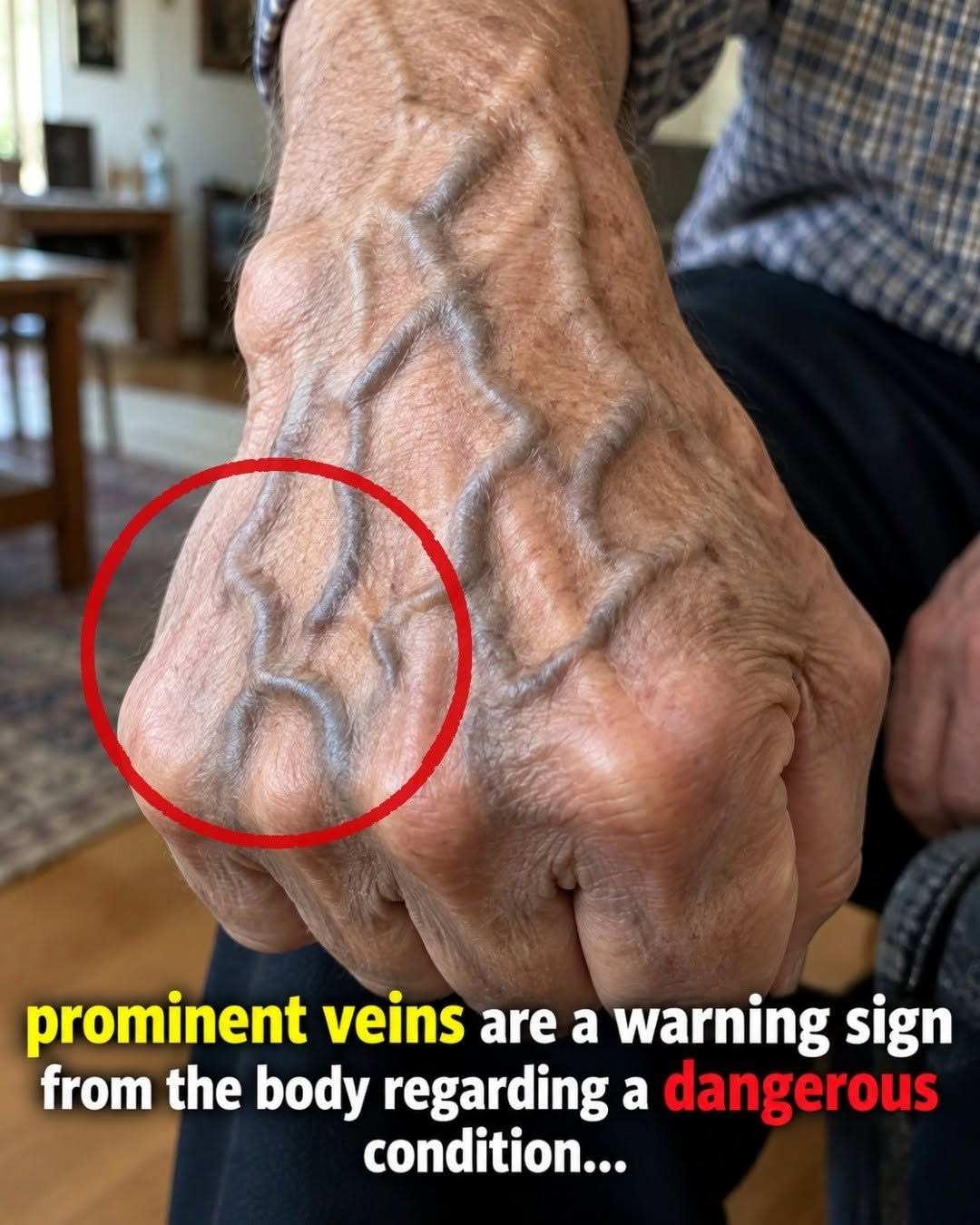
When individuals notice unusually prominent, bulging, or rope-like veins appearing on the back of their hands or arms, it often raises immediate questions about aging, circulation, and general well-being. The visual of pronounced vascularity can sometimes look alarming, prompting curiosity about whether these changes are merely a harmless cosmetic part of getting older or if they indicate a more serious underlying medical condition.
Maintaining open awareness of how our circulatory and vascular systems function is essential for long-term health and preventive care. In this comprehensive medical guide, we explore the primary reasons why veins become prominent, distinguish between normal aging and vascular disorders, outline warning signs requiring professional attention, and review practical steps to support optimal vascular health.
The Anatomy of Vascular Changes: Why Veins Become Prominent
To understand why hand veins become highly visible, it is helpful to look at how blood vessels operate within the human body. Veins are responsible for returning deoxygenated blood back up toward the heart against gravity, relying on tiny internal valves and surrounding muscle contractions to maintain smooth blood flow.
1. Natural Aging and Skin Thinning
As people age, the skin naturally loses its underlying layer of subcutaneous fat and collagen elasticity. This thinning of the skin makes superficial blood vessels appear much more pronounced and prominent than they did during youth, even when the circulatory system is completely healthy.
2. Reduced Muscle Mass and Hand Structure
Changes in hand musculature over time can cause veins to stand out more sharply. As natural muscle volume decreases in the hands and forearms, surface veins sit closer to the skin’s outer surface, creating a distinct visual appearance.
3. Increased Physical Activity and Grip Strength
Individuals who engage in heavy manual labor, frequent weightlifting, or rigorous exercise regularly experience temporary or permanent increases in vascular prominence. Physical exertion raises blood pressure and expands blood vessels to supply oxygenated blood to working muscles.
+--------------------------+--------------------------------------------------------------+
| Factor                   | Primary Effect on Vascular Appearance                        |
+--------------------------+--------------------------------------------------------------+
| Skin Aging & Thinning    | Reduces subcutaneous fat layer, making veins more visible    |
| Muscle Mass Loss         | Causes superficial veins to sit closer to the skin surface   |
| Physical Exertion        | Increases temporary blood pressure and vessel expansion      |
| Vascular Conditions      | Can indicate underlying circulatory stress or valve issues   |
+--------------------------+--------------------------------------------------------------+
When Prominent Veins Signal Underlying Health Conditions
While most visible veins on the hands and limbs are benign consequences of aging, low body fat, or physical work, certain vascular patterns can serve as early warning signs from the body regarding circulatory strain.
Venous Insufficiency and Varicose Changes
Chronic venous insufficiency occurs when the tiny valves inside veins weaken or fail, allowing blood to flow backward and pool inside the vessel. While most commonly observed in the legs as varicose veins, similar venous pooling can affect upper extremities over time, leading to aching, swelling, or persistent discomfort.
Circulatory Pressure and Hypertension
Systemic factors such as chronic high blood pressure can place continuous strain on blood vessel walls. Over years, elevated arterial and venous pressure can alter vessel elasticity and structural integrity.
Medical Evaluation and When to See a Doctor
If you notice sudden, painful, or unusual changes in your vascular structure, seeking professional medical guidance is critical.
What to Expect During a Vascular Examination
-
Physical Assessment: A doctor or vascular specialist will examine the affected areas, checking for tenderness, swelling, skin discoloration, or signs of inflammation (phlebitis).
-
Ultrasound Imaging: Non-invasive duplex ultrasound scans allow physicians to visualize blood flow velocity and check valve competence inside the veins.
-
Review of Medical History: Evaluating lifestyle factors, family history of vascular disease, and current medications helps establish an accurate diagnosis.
Financial, Health, and Insurance Considerations for Vascular Care
Proactively addressing circulatory health protects both your physical vitality and long-term financial security.
Understanding Health Insurance and Specialist Care
-
Specialist Referrals: Depending on your health insurance policy, visiting a vascular surgeon or cardiologist may require a formal referral from your primary care physician.
-
Diagnostic Coverage: Standard medical insurance typically covers medically necessary diagnostic tests, such as vascular ultrasounds, when symptoms like pain, swelling, or chronic fatigue are present.
-
Preventive Care Benefits: Utilizing annual preventative checkups ensures that early signs of circulatory or cardiovascular stress are caught and managed before escalating into costly medical interventions.
Practical Tips for Supporting Healthy Circulation
Maintaining robust vascular health involves adopting daily lifestyle habits that promote efficient blood flow throughout the body.
-
Stay Well Hydrated: Drinking adequate water throughout the day keeps blood volume at optimal levels, preventing sluggish circulation.
-
Engage in Regular Movement: Low-impact exercises like walking, swimming, and gentle hand stretches encourage healthy blood return toward the heart.
-
Elevate Your Limbs: Elevating hands and arms periodically can help reduce minor fluid retention and relieve pressure on superficial blood vessels.
-
Maintain a Balanced Diet: Consume foods rich in antioxidants, vitamins, and fiber to support strong blood vessel walls and overall cardiovascular resilience.
Fascinating Facts About the Human Circulatory System
-
Vascular Length: If you laid out all the blood vessels in an adult human body end-to-end, they would stretch for approximately 60,000 to 100,000 miles—enough to circle the Earth multiple times!
-
Continuous Flow: Red blood cells travel through the entire circulatory system, completing a full circuit from the heart and back, in under one minute.
-
Adaptive Vessels: Blood vessels possess the remarkable ability to widen or narrow dynamically to regulate body temperature and direct blood flow where it is needed most.
Frequently Asked Questions (FAQ)
Are prominent veins on the hands always a sign of a dangerous condition?
No. In the vast majority of cases, prominent hand veins are a completely normal result of natural skin thinning, aging, low body fat, or physical work. However, sudden pain, swelling, or tenderness warrants medical evaluation.
Can hand exercises reduce the appearance of prominent veins?
Hand exercises generally build muscle and strength, which can sometimes make veins more visible rather than less. Vein prominence caused by aging or skin thinning cannot typically be reversed through exercise alone.
When should I consult a doctor about visible veins?
You should schedule a medical evaluation if prominent veins are accompanied by persistent pain, skin discoloration, open sores, warmth, swelling, or rapid visual changes.
Do dietary supplements help improve vein health?
Certain supplements, such as horse chestnut extract or bioflavonoids, are sometimes used to support venous tone, but you should always consult a healthcare professional before starting any new supplement regimen.
Conclusion
Noticing prominent veins on your hands and limbs can often be a harmless reflection of natural aging, skin thinning, or physical activity. However, understanding when vascular changes serve as warning signs from the body allows individuals to seek timely medical guidance and ensure optimal circulatory health.
By combining proactive health checkups, balanced nutrition, proper hydration, and expert medical advice when symptoms arise, you can maintain long-term physical wellness and total peace of mind.
