
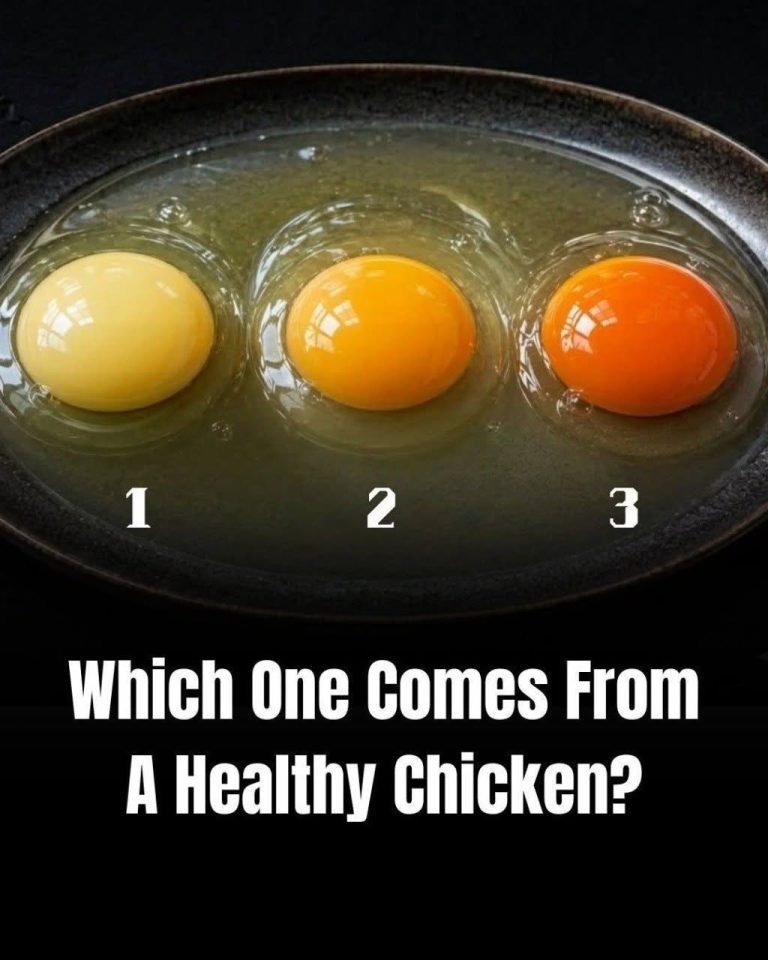
When cracking open eggs for breakfast, you have likely noticed that the color of the yolk can vary dramatically—ranging from a pale, light yellow to a rich, deep orange or even amber. This visual variation often sparks debate among consumers, with many wondering whether yolk color indicates superior nutritional value, better taste, or a healthier chicken.
A common misconception is that darker orange yolks automatically mean a chicken is significantly healthier or that pale yellow yolks indicate an unhealthy bird. In reality, yolk color is primarily determined by what the hen eats rather than her overall health or medical condition.
This comprehensive guide explores the science of egg yolk pigmentation, what different colors signify, nutritional facts, and smart grocery shopping tips.
The Science of Egg Yolk Color: It’s All About Diet
To understand why egg yolks display different shades, we must examine avian nutrition and natural pigments.
Carotenoids and Plant Pigments
The color of an egg yolk comes from carotenoids—natural fat-soluble pigments found in plants.
-
Yellow Pigments (Xanthophylls): Hens fed a standard diet consisting primarily of corn, wheat, or white grains produce lighter, pale yellow yolks (like egg #1).
-
Orange Pigments: Hens that forage on pasture, eat fresh grass, clover, alfalfa, marigold petals, or are fed diets rich in green plants and paprika produce vibrant orange or deep amber yolks (like eggs #2 and #3).
Are Darker Yolks Healthier?
One of the biggest myths in food marketing is that deep orange yolks are inherently more nutritious than pale yellow ones.
Nutritional Comparison
-
Protein and Fat: The core macronutrients—protein, healthy fats, and cholesterol—remain virtually identical regardless of whether the yolk is light yellow or dark orange.
-
Vitamin Levels: Eggs with darker orange yolks often contain higher levels of specific carotenoids, such as vitamin A precursors and antioxidants, because the hen consumed a diet richer in those specific plant compounds. However, both types of eggs provide exceptional overall nutrition.
Step-by-Step Guide: How to Choose Quality Eggs at the Grocery Store
Selecting the best eggs for your kitchen involves looking beyond simple shell color or yolk shade.
1. Reading Egg Carton Labels
-
Pasture-Raised: Hens have continuous outdoor access to forage on grass, bugs, and plants, which naturally produces richer, darker yolks and higher vitamin D content.
-
Cage-Free vs. Free-Range: Understand that “cage-free” means hens are not confined to cages, but they may still live indoors in large barns, whereas “free-range” implies some outdoor access depending on agricultural standards.
2. Inspecting Freshness at Home
Check egg freshness by placing an egg in a bowl of water: fresh eggs sink flat to the bottom, while older eggs float upright because an air pocket forms inside the shell over time.
Financial Savings and Smart Shopping
Purchasing eggs that suit your nutritional goals and budget requires smart grocery strategies.
Balancing Cost and Quality
Specialty pasture-raised eggs with deep orange yolks often carry a higher price tag at local supermarkets due to the cost of sustainable farming practices. Standard conventional eggs, while lighter in yolk color, still provide affordable, high-quality complete protein for everyday family meals.
Important Safety Guidelines and Food Handling
When handling raw eggs in the kitchen, always keep these safety measures in mind:
-
Prevent Cross-Contamination: Wash your hands, countertops, and utensils thoroughly with hot soapy water after handling raw eggs to prevent Salmonella exposure.
-
Proper Refrigeration: Store eggs in their original carton on an interior refrigerator shelf—rather than the door—where temperature remains consistent to maximize freshness.
Interesting Facts About Egg Production
-
Breed Influences: While diet dictates yolk color, the shell color (white, brown, blue, or speckled) is determined entirely by the genetic breed of the hen.
-
Ancient Foraging: Before commercial poultry feed was invented, almost all farm-raised chickens laid eggs with deep orange yolks because they foraged freely on natural grasses and insects.
Conclusion: Understanding Your Food
The mystery of egg yolk colors reveals a fascinating connection between animal agriculture and natural plant pigments. Whether your morning eggs feature pale yellow yolks or vibrant orange ones, both come from healthy hens and offer fantastic nutritional benefits.
Enjoy your breakfast with confidence and make informed choices at the grocery store!
Frequently Asked Questions (FAQ)
Does a darker yolk taste better than a light yolk?
Taste is subjective, but many chefs and food enthusiasts note that pasture-raised eggs with dark orange yolks possess a richer, more robust flavor profile due to the varied diet of the hen.
Can a sick chicken lay a discolored yolk?
Yolk color is not an indicator of illness. A sick hen typically stops laying eggs entirely rather than producing an abnormally colored yolk; color variations are purely a reflection of diet.
Are organic eggs guaranteed to have dark orange yolks?
Not necessarily. While organic hens must have access to the outdoors, if their feed consists primarily of corn and soy without substantial foraging on green grass or marigold additives, their yolks can still appear light yellow.
