
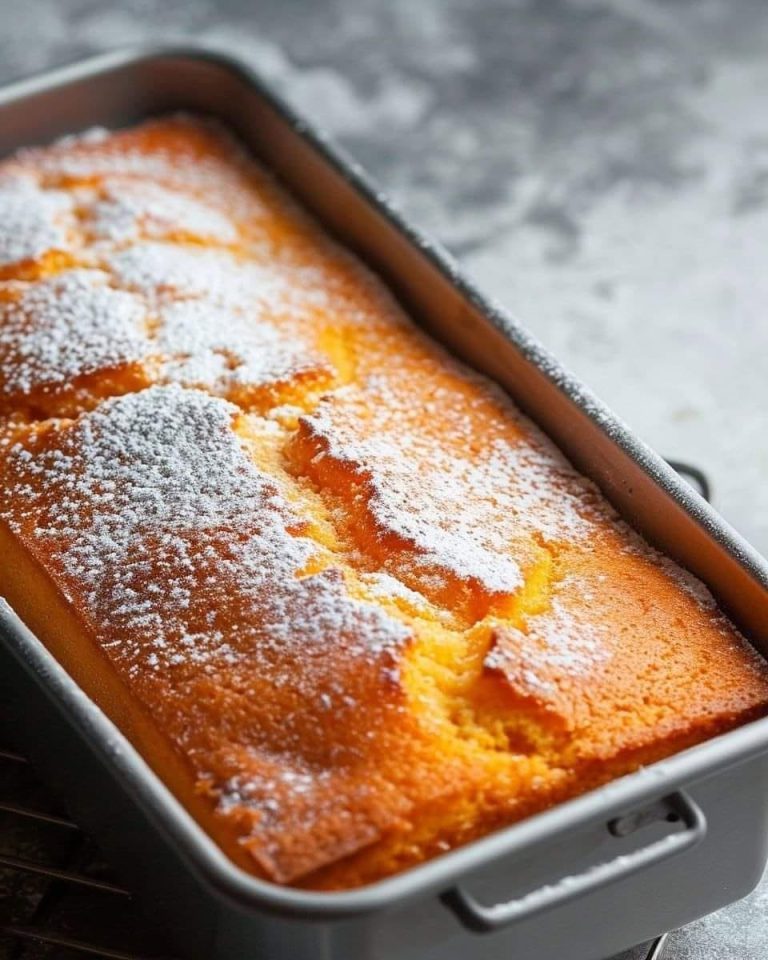
Baking a fresh, aromatic loaf cake at home is one of life’s simple pleasures, filling your kitchen with comforting scents and providing a sweet treat to share with family and friends. Whether served alongside a warm cup of morning coffee or as an afternoon dessert, classic loaf cakes are beloved for their tender crumb, rich texture, and ease of preparation.
In recent years, home baking has continued to thrive as individuals seek out creative, stress-relieving culinary projects that yield delicious results. Baking from scratch allows you to use wholesome ingredients, customize flavors, and achieve bakery-quality results right in your own kitchen.
This comprehensive guide explores the science of baking moist loaf cakes, step-by-step preparation instructions, creative flavor variations, and practical kitchen tips.
The Science of Moisture and Texture in Loaf Cakes
To achieve the ideal balance of a tender crumb and a moist interior, it helps to understand how key ingredients interact during the baking process.
The Role of Fats and Liquids
-
Butter and Oils: Creaming softened butter with sugar incorporates tiny air pockets that help the cake rise, while liquid oils add long-lasting moisture to the crumb.
-
Dairy and Eggs: Using buttermilk, yogurt, or whole eggs provides the necessary acidity and protein structure to keep the cake soft, rich, and flavorful.
Step-by-Step Guide: How to Bake the Perfect Loaf Cake
Baking a golden, picture-perfect loaf cake requires simple ingredients and careful attention to detail.
1. Essential Ingredients
-
Flour and Leavening: High-quality all-purpose flour combined with precise amounts of baking powder or baking soda ensures an even, stable rise.
-
Sugar and Flavorings: Granulated sugar provides sweetness, while pure vanilla extract, citrus zest, or warm spices enhance the overall aroma.
2. Mixing and Baking
-
Creaming Method: Whisk your wet ingredients thoroughly with sugar and butter until light and fluffy before gently folding in the dry ingredients just until combined.
-
Bake Temperature: Bake in a preheated oven at 350 degrees Fahrenheit (175 degrees Celsius) in a greased loaf pan until a toothpick inserted into the center comes out clean.
Creative Flavor Variations and Toppings
While classic vanilla or citrus loaf cakes are timeless, you can easily customize your recipe with exciting additions:
-
Powdered Sugar Dusting: A simple dusting of sifted powdered sugar over a cooled loaf creates an elegant, bakery-style finish.
-
Glazes and Drizzles: Add a sweet lemon or vanilla glaze to lock in moisture and add an extra layer of flavor.
-
Fruit Inclusions: Fold fresh blueberries, cranberries, or sliced apples directly into the batter for bursts of juicy flavor.
Financial Savings and Baking at Home
Baking your own desserts at home offers wonderful economic and personal rewards.
Cutting Bakery Costs
Purchasing specialty cakes and pastries from upscale bakeries carries a steep retail markup. Baking a wholesome loaf cake at home costs a fraction of the price while providing generous slices for household enjoyment.
Important Safety Guidelines and Baking Cautions
When baking and handling hot pans, keep these safety measures in mind:
-
Allow Proper Cooling: Let your loaf cake cool in the pan for 10 to 15 minutes before turning it out onto a wire rack to prevent it from breaking apart.
-
Oven Calibration: Use an oven thermometer to ensure your baking temperature is accurate, preventing uneven baking or a sunken center.
Interesting Facts About Loaf Cakes
-
Historical Roots: Loaf cakes have ancient origins, evolving from dense fruit and honey cakes baked in simple rectangular molds across early European culinary traditions.
-
The Origin of Pound Cake: The traditional pound cake gets its name from its original recipe ratio: one pound each of flour, butter, eggs, and sugar.
Conclusion: Master Your Baking Skills
Baking a delicious homemade loaf cake is a rewarding experience that combines simple pantry staples into a comforting masterpiece. By understanding proper mixing techniques, managing baking times, and finishing with a delicate dusting of powdered sugar, you can enjoy bakery-quality treats anytime.
Try baking a fresh loaf cake today and share the sweetness with those you love!
Frequently Asked Questions (FAQ)
Why did my loaf cake sink in the middle?
A sunken center is usually caused by opening the oven door too early during baking, using expired baking powder, or over-mixing the batter, which incorporates too much air.
How should I store leftover loaf cake to keep it moist?
Store your cooled loaf cake wrapped tightly in plastic wrap or placed inside an airtight container at room temperature for up to three days, or refrigerate for longer storage.
Can I freeze a baked loaf cake?
Yes! Wrap the unglazed, completely cooled loaf cake tightly in plastic wrap followed by aluminum foil, and freeze for up to three months. Thaw at room temperature before serving.
