
Introduction
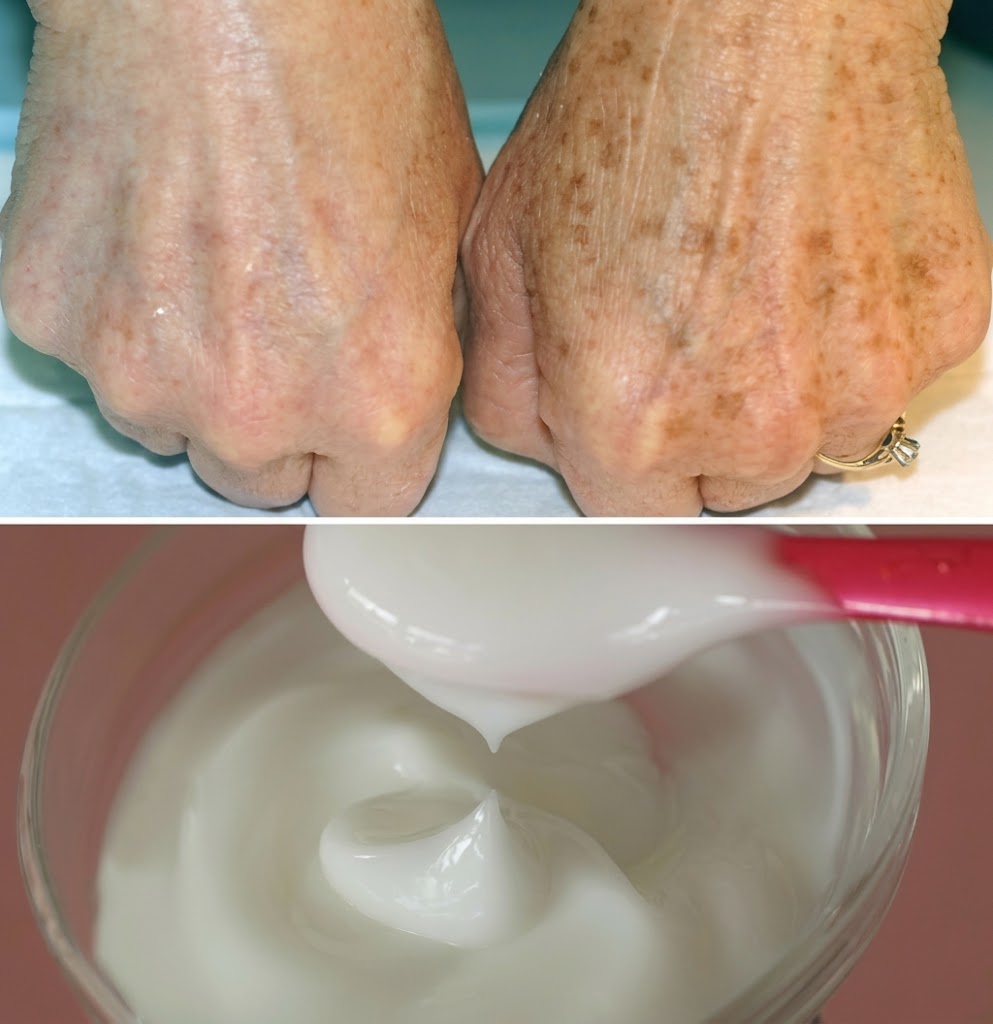
As we age, our skin undergoes a series of natural changes influenced by time, genetics, and environmental exposure. Among the most common visible changes is the appearance of age spots—often called liver spots or sun spots. These hyperpigmented patches frequently appear on areas most exposed to sunlight, particularly the backs of the hands, face, shoulders, and arms. While age spots are completely harmless from a medical standpoint, many individuals seek ways to fade them for cosmetic reasons and to restore a smoother, more uniform skin tone.
In recent years, interest in natural skin brightening treatments and homemade skincare remedies has exploded. People around the world are turning to accessible, gentler alternatives to chemical peels and laser therapies. However, understanding how hyperpigmentation forms, what ingredients actually work, and how to protect skin long-term requires a clear, evidence-informed approach. In this comprehensive guide, we will explore the underlying causes of age spots, effective natural and topical treatments, essential skin care routines, and how health and wellness choices influence skin longevity.
Understanding Hyperpigmentation: What Causes Age Spots?
Age spots are caused by an overproduction of melanin, the natural pigment responsible for giving skin its color. When skin is exposed to ultraviolet (UV) radiation from the sun over many years, melanin production accelerates as a protective defense mechanism. Over time, melanin can clump together in high concentration areas, resulting in distinct flat brown, gray, or black spots.
Common Factors That Accelerate Dark Spots
-
Cumulative Sun Exposure: Years of direct sun exposure without adequate sun protection are the primary driver of age spots.
-
Natural Aging Process: As skin matures, cell turnover slows down, making pigment buildup more noticeable on the surface layer.
-
Genetics: Family history plays a strong role in how susceptible an individual is to hyperpigmentation and photoaging.
-
Hormonal Fluctuations: Changes in hormone levels can influence melanin production, worsening skin discoloration.
Understanding these underlying mechanisms makes it easier to select the right skin care interventions and avoid treatments that might cause irritation or further damage.
Effective Natural Ingredients for Fading Dark Spots
Many home remedies and natural formulations leverage active compounds that help gently exfoliate the skin, inhibit excess melanin synthesis, and promote cellular renewal. When formulated properly into creams, lotions, or natural masks, these ingredients can help brighten mature skin safely over time.
1. Vitamin C (Ascorbic Acid)
Vitamin C is a powerful antioxidant that inhibits the enzyme tyrosinase, which is key to melanin production. Regular application of Vitamin C serums or homemade citrus-infused mixtures can visibly brighten hyperpigmentation while protecting skin against environmental free radicals.
2. Niacinamide (Vitamin B3)
Niacinamide works by preventing the transfer of pigment from melanocytes (pigment-producing cells) to skin surface cells. It also strengthens the skin moisture barrier, improves elasticity, and calms redness, making it ideal for sensitive or aging skin.
3. Licorice Root Extract
Containing glbridin, licorice root extract is a renowned natural skin lightener that soothes inflammation while gradually fading dark spots without causing hyperpigmentation rebound.
4. Alpha Hydroxy Acids (AHAs)
Lactic acid (found in yogurt and milk) and glycolic acid act as gentle chemical exfoliants. They dissolve the bonds holding dead skin cells to the surface, encouraging faster cell turnover and helping fade superficial dark spots faster.
Step-by-Step DIY Home Cream Recipe for Hands and Body
Creating a hydrating, nutrient-rich hand cream at home can support skin rejuvenation when integrated into a consistent routine. Here is a popular, gentle DIY mixture designed to nourish dry skin and reduce the appearance of spots:
Ingredients Required
-
2 tablespoons of organic unrefined shea butter or coconut oil (base moisturizer)
-
1 tablespoon of plain yogurt (natural source of lactic acid)
-
1/2 teaspoon of fresh lemon juice or 3 drops of pure Vitamin C oil
-
1 teaspoon of pure aloe vera gel (soothing and repair agent)
Directions for Application
-
Mix the Ingredients: In a clean bowl, whisk the shea butter, yogurt, aloe vera, and Vitamin C source until smooth and creamy.
-
Patch Test: Apply a small amount to your inner forearm and wait 24 hours to ensure no allergic reaction or irritation occurs.
-
Apply to Targeted Areas: Massage a generous amount onto the backs of your hands, wrists, or other affected areas every evening.
-
Rinse and Protect: Leave on for 20–30 minutes before rinsing thoroughly with warm water. Always apply sunscreen the following morning.
Integrating Dermatological Care, Health, and Personal Wellness
While natural home remedies offer mild improvements for superficial discoloration, maintaining long-term skin health involves holistic care that touches upon several broader areas of wellness, finance, and professional care.
The Role of Professional Dermatological Treatments
For faster or more prominent results, consulting a board-certified professional can unlock advanced clinical options:
-
Laser Therapy and Intense Pulsed Light (IPL): Targets melanin cells directly without damaging the surrounding skin surface.
-
Chemical Peels: Uses medical-grade acids to remove the outer layers of damaged skin, revealing fresh, evenly pigmented skin underneath.
-
Microdermabrasion: A non-invasive mechanical exfoliation technique that smooths texture and reduces light spots.
Navigating these medical options often involves reviewing health Insurance coverage or exploring out-of-pocket payment plans. While cosmetic procedures are generally not covered by standard medical insurance, discussing options with a healthcare provider can clarify costs and safety guidelines.
Financial Planning for Personal Wellness
Investing in long-term health and personal care is an important aspect of overall personal Finance management. Allocating funds for daily preventive products—like high-quality sunscreens, dermatologist consultations, and general Health maintenance—is a proactive choice similar to setting up long-term Investment or Retirement funds. Smart financial management ensures you can access top-tier medical care, cosmetic treatments, or lifestyle products without strain.
Practical Tips for Preventing Future Age Spots
Prevention remains the most effective strategy against hyperpigmentation. Incorporating these simple habits into your daily routine will safeguard your skin against future damage:
-
Wear Broad-Spectrum Sunscreen Daily: Apply sunscreen with an SPF of 30 or higher to exposed skin—including the backs of your hands—every single day, even when it is cloudy.
-
Reapply Frequently: Sunscreen breaks down under direct sunlight; reapply every two hours when outdoors or after washing your hands.
-
Wear Protective Clothing: Utilize wide-brimmed hats, long sleeves, or UV-blocking driving gloves during extended outdoor exposure or long road trips while on Travel.
-
Moisturize Nightly: Keeping the skin barrier hydrated enhances natural repair processes and prevents premature aging.
-
Avoid Tanning Beds: Tanning beds emit concentrated UV radiation that drastically accelerates skin aging, dark spots, and skin cancer risks.
Fascinating Facts About Human Skin and Aging
-
Skin Thickness: The skin on the back of your hands is significantly thinner than the skin on your face, making it one of the first areas to show signs of aging.
-
Sun Memory: Up to 80% of visible skin aging (wrinkles, spots, sagging) is caused by sun exposure accumulated before the age of 20.
-
Rapid Cell Turnover: In youth, skin cells renew every 28 days; by age 50 and beyond, this renewal cycle can slow down to 45–60 days.
-
Natural UV Protection: Melanin acts as a natural sunblock, absorbing UV light to protect cell DNA, though excessive UV overpowers this natural defense.
Conclusion
Fading age spots and achieving an even skin tone is a gradual journey that requires patience, consistency, and protective care. By combining effective natural brightening ingredients like Vitamin C and lactic acid with daily sun protection, you can noticeably improve the appearance of your hands and skin over time. Whether you choose gentle DIY home remedies or decide to seek professional treatments from a dermatologist, prioritizing your skin health today will ensure a radiant, healthy appearance for years to come.
Frequently Asked Questions (FAQ)
1. How long does it take for natural remedies to fade age spots?
Natural remedies generally take time. With consistent daily application and strict sun protection, subtle improvements usually become visible within 6 to 12 weeks. Clinical treatments like lasers yield faster results.
2. Are age spots dangerous or medically harmful?
Age spots are harmless, non-cancerous skin changes. However, any spot that rapidly changes size, shape, color, or begins bleeding should be evaluated immediately by a healthcare professional or Medical doctor to rule out serious conditions.
3. Why are age spots so common on the hands?
The hands are constantly exposed to UV light throughout our daily lives—while driving, walking, or sitting near windows—and are frequently washed, removing topical sunscreen faster than on other body parts.
4. Does drinking water help fade dark spots?
While staying hydrated supports overall skin health, elasticity, and flush out toxins, drinking water alone cannot dissolve hyperpigmentation or erase existing age spots caused by UV exposure.
