
Introduction
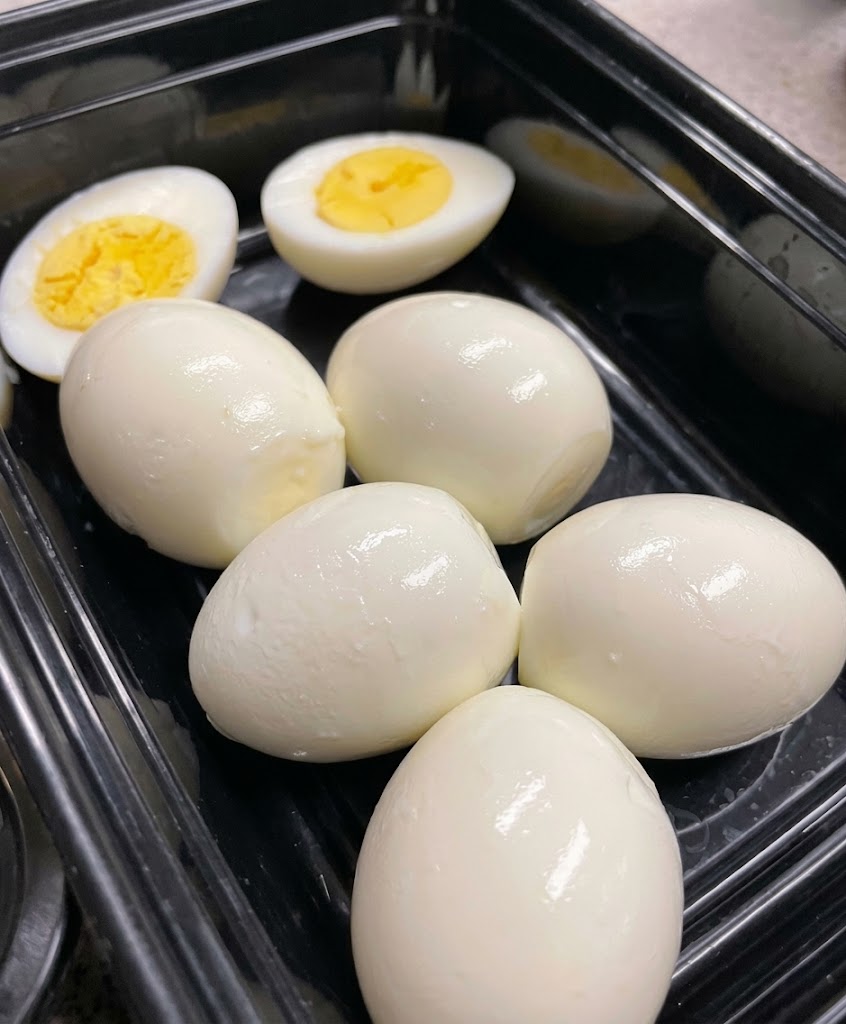
Hard-boiled eggs are a staple in kitchens around the world. Packed with high-quality protein, essential vitamins, and healthy fats, they serve as the perfect quick breakfast, meal-prep component, salad topper, or post-workout snack. However, almost every home cook has experienced the frustration of attempting to peel a freshly boiled egg, only to have the egg white tear away in chunks, leaving behind a pitted, unsightly mess.
Achieving perfectly smooth, easy-to-peel hard-boiled eggs every single time is not a matter of luck; it is a matter of science. From water temperature and cooking duration to ice baths and chemical reactions within the egg shell, small changes in your kitchen routine can transform a frustrating task into a seamless process. In this comprehensive guide, we will break down the science behind egg peeling, reveal step-by-step methods for flawless results, explore the nutritional benefits of eggs, and discuss how smart meal preparation aligns with overall lifestyle, wellness, and financial planning.
The Science of an Egg: Why Are Eggs So Hard to Peel?
To understand how to peel an egg effortlessly, it helps to understand what happens inside the shell during the cooking process. An egg consists of several key components: the outer shell, two thin shell membranes (inner and outer), the egg white (albumen), and the yolk.
When an egg is raw, the albumen has a relatively low pH (acidic environment), causing the proteins to adhere strongly to the inner shell membrane. As an egg ages in the refrigerator, it naturally loses carbon dioxide and moisture through tiny pores in the shell. This loss causes the pH level inside the egg to rise, becoming more alkaline. An alkaline environment weakens the bond between the egg white and the inner membrane, making older eggs naturally easier to peel than farm-fresh eggs.
Furthermore, thermal shock plays a crucial role in shell removal. Placing eggs directly into hot or boiling water causes the egg white proteins to coagulate rapidly and shrink slightly away from the inner shell membrane. Conversely, dropping cold eggs into cold water and bringing them to a slow boil causes the proteins to heat slowly and fuse tightly to the membrane, making clean peeling nearly impossible.
Step-by-Step Guide: The Boiling Method for Perfect Peeling
Following a proven technique guarantees consistent results regardless of your experience in the kitchen. Here is the ultimate step-by-step boiling method designed for effortless peeling and flawless yellow yolks.
Step 1: Choose and Prepare Your Eggs
-
Egg Age: Whenever possible, use eggs that have been in your refrigerator for a week or two rather than fresh-off-the-farm eggs.
-
Temperature: Bring water to a gentle, rolling boil before introducing your cold eggs from the refrigerator.
Step 2: The Boiling Process
-
Fill a medium saucepan with enough water to submerge the eggs completely by at least an inch.
-
Bring the water to a full, rolling boil over high heat.
-
Gently lower cold eggs into the boiling water using a slotted spoon to prevent cracking against the bottom of the pot.
-
Reduce the heat slightly to maintain a gentle boil or steady simmer to keep the eggs from knocking aggressively against one another.
-
Set a precise timer based on your preferred yolk consistency:
-
Soft-Boiled (Jammy Yolk): 6 to 7 minutes
-
Medium-Boiled (Creamy Yolk): 8 to 9 minutes
-
Hard-Boiled (Firm Yolk): 10 to 12 minutes
-
Step 3: The Ice Bath Shock (Crucial Step)
While the eggs are boiling, prepare a bowl filled with ice cubes and cold water. As soon as the timer goes off, immediately transfer the eggs from the boiling pot into the ice bath using your slotted spoon. Leave them submerged in the ice water for at least 15 minutes.
The ice bath serves two vital purposes:
-
It stops the cooking process instantly, preventing the formation of that unappealing dark green ring around the yolk (caused by sulfur and iron reactions due to overcooking).
-
It causes the cooked egg white to contract away from the shell, creating a physical gap that makes peeling virtually effortless.
Alternative Cooking Methods: Steaming and Air Frying
While boiling is the traditional standard, modern kitchen techniques offer additional ways to prepare hard-boiled eggs with ease.
1. The Steaming Method
Many professional chefs prefer steaming over boiling because steam maintains a consistent temperature ($212^\circ\text{F}$ / $100^\circ\text{C}$) and penetrates the shell evenly without aggressive water movement that can cause cracking.
-
Directions: Bring an inch of water to a boil in a pot equipped with a steamer basket. Place eggs in the basket, cover with a tight-fitting lid, and steam for 12 minutes. Transfer directly to an ice bath for 15 minutes.
2. The Pressure Cooker (Instant Pot) Method
Using an electric pressure cooker is another wildly popular approach, often referred to as the “5-5-5 Method.”
-
Directions: Pour 1 cup of water into the cooker liner, place eggs on the trivet, cook on high pressure for 5 minutes, allow a natural pressure release for 5 minutes, and then submerge in an ice bath for 5 minutes. The high pressure forces steam under the shell, making the eggs practically slide out of their shells.
Health and Nutritional Value of Eggs in Daily Diet
Eggs are frequently described by nutritionists as nature’s original superfood due to their high nutrient density and versatility. Integrating eggs into your daily routine supports overall Health and athletic performance.
Key Nutritional Highlights
-
Complete Protein Source: A single large egg contains approximately 6 grams of high-quality protein containing all nine essential amino acids necessary for muscle repair and cellular growth.
-
Rich in Choline: Choline is an essential nutrient critical for brain development, memory function, and liver health, yet many adults fail to reach daily recommended intakes.
-
Eye Health Antioxidants: Egg yolks contain lutein and zeaxanthin, powerful antioxidants that accumulate in the retina and help reduce the risk of macular degeneration and cataracts.
-
Heart-Healthy Fats: Eggs provide a balanced mix of monounsaturated and polyunsaturated fats along with essential Omega-3 fatty acids when sourced from pasture-raised or enriched hens.
Smart Meal Prep: Supporting Health, Fitness, and Budgeting
Incorporating hard-boiled eggs into a weekly meal prep strategy yields significant advantages for both health maintenance and household financial planning.
Financial Efficiency and Budget Optimization
In an era where grocery expenses and daily costs continue to rise, eggs remain one of the most affordable protein sources per gram available on the market. Building meal plans around cost-effective, nutrient-dense foods allows families to optimize their monthly budget, direct savings toward long-term Investment vehicles, or bolster Retirement accounts without sacrificing nutritional quality.
Supporting Busy Lifestyles and Business Schedules
For busy professionals managing a Business, navigating career demands, or balancing daily commute times, having pre-peeled, ready-to-eat hard-boiled eggs in the refrigerator provides a convenient health safeguard. Having nutritious options readily accessible reduces reliance on expensive fast food or processed snacks during demanding work hours.
Furthermore, proper food safety and storage practices are essential:
-
Hard-boiled eggs still in their shells can be safely stored in the refrigerator for up to 7 days.
-
Once peeled, eggs should be kept in an airtight container lined with a damp paper towel and consumed within 2 to 3 days for optimal freshness and texture.
Practical Tips for Flawless Egg Peeling
To ensure your egg peeling process goes smoothly every time, keep these practical rules of thumb in mind:
-
Tap the Wider End First: The rounded bottom of the egg contains a natural air pocket. Tapping this end gently on a flat surface shatters the shell over the air space, giving you an easy starting point to catch the membrane.
-
Peel Under Running Water: Holding the egg under a gentle stream of cold tap water or inside the ice bath helps wash away tiny shell fragments and lubricating the boundary between the white and the membrane.
-
Avoid Overcooking: Overcooked eggs become rubbery, sulfurous, and significantly harder to peel smoothly. Stick strictly to timed boiling.
-
Add Baking Soda or Vinegar (Optional): Adding a teaspoon of baking soda to the boiling water raises the alkalinity further, while adding white vinegar softens the calcium carbonate shell. However, thermal shock (boiling water into an ice bath) remains the single most effective variable.
Fascinating Facts About Eggs
-
Shell Color Difference: The color of an eggshell (white vs. brown) is determined entirely by the breed of the hen and has no impact on nutritional quality, flavor, or shell thickness.
-
The Air Pocket Grows: As an egg ages, air penetrates the shell and expands the air cell inside. This is why fresh eggs sink flat in water while older eggs tilt or float to the top.
-
Egg Shell Composition: An eggshell is made almost entirely of calcium carbonate and contains between 7,000 and 17,000 microscopic pores that facilitate oxygen and moisture exchange.
-
Global Consumption: Millions of tons of eggs are consumed worldwide each year, making them one of the most universally accepted culinary ingredients across every major culture.
Conclusion
Mastering the art of peeling hard-boiled eggs comes down to applying simple thermal science: always start with boiling water, cook with precision, and shock the eggs immediately in a cold ice bath. By mastering this quick kitchen technique, you eliminate daily cooking frustration, save valuable time, and keep a versatile, protein-packed food ready for all your meal prep needs. Whether you are focusing on personal wellness, streamlining daily routines, or optimizing household budgets, small culinary upgrades can deliver lasting daily value.
Frequently Asked Questions (FAQ)
1. Why do fresh eggs stick to the shell so much more than older eggs?
Fresh eggs have a lower pH level (more acidic), causing the proteins in the egg white to bond strongly to the inner shell membrane during cooking. As eggs age in storage, they lose carbon dioxide, raising their pH and loosening this molecular bond.
2. Does adding vinegar or baking soda to boiling water really help?
While adding baking soda increases alkalinity and vinegar softens calcium in the shell, these additions have a minor impact compared to temperature shock. Dropping cold eggs into already boiling water and immediately transferring them to an ice bath is far more effective.
3. How long do peeled hard-boiled eggs last in the fridge?
Peeled hard-boiled eggs should be stored in an airtight container in the refrigerator and consumed within 2 to 3 days. Unpeeled hard-boiled eggs can safely remain refrigerated for up to a full week.
4. What causes the gray-green ring around hard-boiled egg yolks?
The greenish ring is formed when iron in the yolk reacts with hydrogen sulfide in the white due to overcooking or slow cooling. It is harmless to eat, but it can be easily prevented by strictly timing the cook process and immediately plunging cooked eggs into an ice bath.
