
Introduction
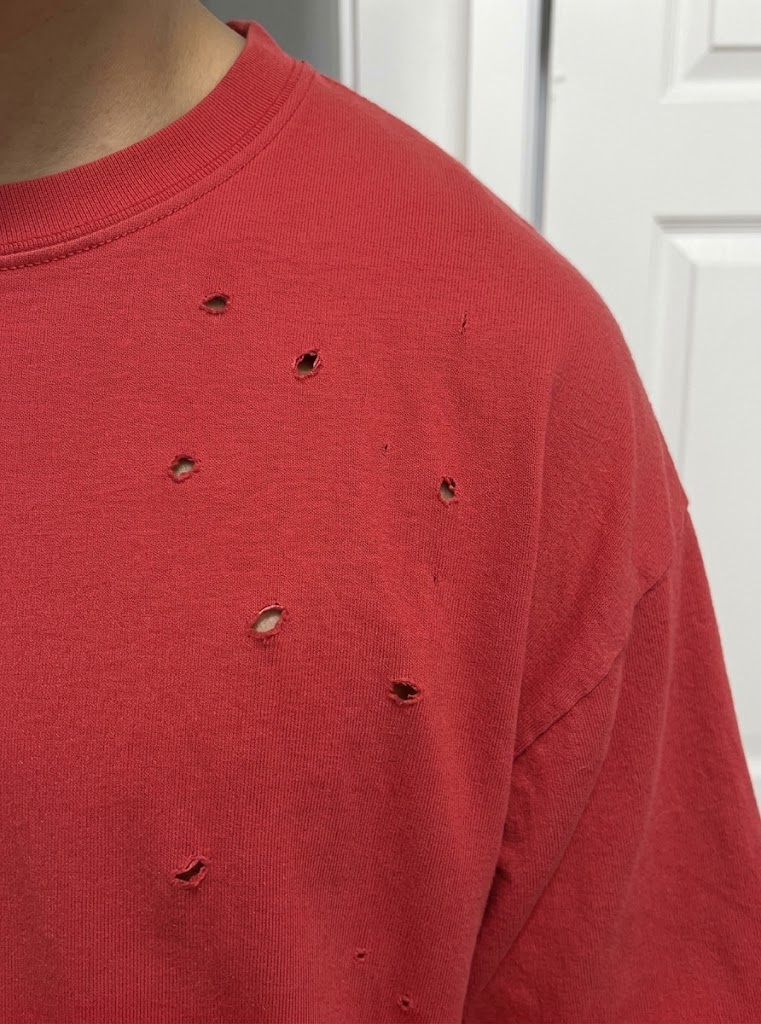
It is a scenario almost everyone has experienced: you pull your favorite cotton T-shirt or sweater out of the closet or laundry basket, only to discover several tiny, mysterious holes clustered near the chest, waist, or stomach area. These small, frayed punctures can ruin cherished garments, leading to frustration and unexpected expenses. While many people immediately suspect clothes moths, the truth is that pest damage is only one of several potential causes.
Understanding why these tiny holes form in fabric requires examining daily habits, clothing construction, washing machine mechanics, and pest behavior. By identifying the exact culprit behind these mysterious tears, you can take simple, effective preventive steps to protect your wardrobe, extend the lifespan of your favorite apparel, and make smarter purchasing decisions. In this comprehensive guide, we will explore the underlying reasons why small holes appear in clothes, practical repair solutions, preventative measures, and how clothing care connects to broader household and financial health.
The Main Culprits Behind Mysterious Clothing Holes
While it is easy to assume bugs are eating your wardrobe, physical friction and mechanical damage are far more common causes of small pinholes in fabric. Here is a detailed breakdown of the top culprits:
1. Friction from Belt Buckles and Jeans
By far the most common cause of small holes in the lower front area of T-shirts is friction. When you wear a soft cotton shirt over jeans, the fabric gets constantly pinched between your belt buckle, jean button, or hardware and external surfaces like kitchen countertops, desks, or car steering wheels. Over time, this repetitive pressure and rubbing wear down fragile cotton fibers, causing them to snap and form tiny clusters of holes.
2. Washing Machine and Dryer Agitation
Modern laundry appliances are designed to clean clothes efficiently, but high-speed spin cycles and rough drum agitators can be harsh on delicate textiles.
-
Zippers and Clasp Snags: Open zippers, bra hooks, or sharp metal fasteners on other garments can easily catch on soft knit fabrics during a wash cycle, snagging individual threads and leaving small punctures.
-
Washing Machine Drum Defects: Minor chips in enamel washing drums or tiny gaps between the drum and the door seal can catch thin fabrics during intense spin cycles.
3. Clothes Moths and Carpet Beetles
While less common than mechanical friction, insect damage remains a real threat to natural fiber garments.
-
Webbing Clothes Moths: Contrary to popular belief, adult moths do not eat clothes. It is the larvae that feed on natural animal fibers containing keratin—such as wool, cashmere, silk, and feather blends.
-
Carpet Beetle Larvae: These pests consume natural plant and animal fibers, particularly garments soiled with food residue, sweat, or skin oils.
4. Poor Fabric Quality and Weak Weaves
The rise of fast fashion has led to a decrease in overall textile quality. Many modern T-shirts are manufactured using thin, single-ply cotton threads woven loosely to keep production costs low. These low-density knits lack structural integrity, making them susceptible to bursting into tiny holes after just a few wear and wash cycles.
How to Determine What Is Causing the Holes in Your Clothes
Identifying the specific cause of clothing damage helps you take targeted corrective action. Use this simple diagnostic checklist to inspect your damaged garments:
| Hole Location & Pattern | Likely Cause | Solution |
| Cluster near waistline or stomach | Belt buckle, jean button, countertop friction | Tuck in shirt, cover sharp buckle edges, or switch belt styles |
| Scattered randomly across wool or silk | Clothes moth or carpet beetle larvae | Deep clean closet, store in sealed containers, use natural deterrents |
| Appears immediately after laundering | Washing machine drum, exposed zippers, harsh cycle | Wash delicate items in mesh laundry bags, close all zippers |
| Along seam lines or underarms | Stress on weak seams, poor fabric quality | Invest in higher GSM (grams per square meter) fabrics |
Practical Solutions: How to Repair and Prevent Fabric Holes
Protecting your clothing investment does not require a complete lifestyle change—just a few simple adjustments to your laundry routine and wardrobe management.
Preventive Laundry and Dressing Tips
-
Zip Up and Button Garments: Always close all zippers, hooks, and snaps before placing clothes in the washing machine to prevent snags.
-
Use Mesh Laundry Bags: Place lightweight cotton shirts, knits, and delicate garments in mesh wash bags to shield them from rougher fabrics like heavy denim.
-
Opt for Gentle Cycles: Wash lightweight knits on gentle or delicate cycles with cold water to minimize fiber tension during agitation.
-
Mind the Countertop: Be conscious of leaning directly against stone kitchen counters or hard office desks while wearing un-tucked cotton tees.
How to Fix Small Holes at Home
-
Fusible Interfacing Technique: Turn the garment inside out, bring the edges of the tiny hole together gently, place a small square of iron-on fusible web or lightweight interfacing over the tear, and press with a warm iron. This bonds the fibers invisibly without needing a needle and thread.
-
Visible Mending: For larger tears, try decorative embroidery or sashiko stitching to give damaged garments a stylish, handcrafted second life.
Connecting Wardrobe Care to Financial Health and Lifestyle Planning
Maintaining your wardrobe efficiently is more than just a home economics trick; it is a smart component of personal Finance and budget management. Replacing clothes frequently due to avoidable damage drains funds that could otherwise be directed toward higher-priority financial goals.
The Financial Benefits of Garment Longevity
By implementing simple clothing care habits, households can save hundreds of dollars annually on apparel. Redirecting wardrobe maintenance savings into high-yield savings accounts, long-term Investment vehicles, or Retirement funds compounds significant financial value over time. Smart budgeting across all household categories promotes long-term financial security.
Professional and Business Presentation
Whether managing a growing Business, attending critical client meetings, or working in executive environments, maintaining crisp, damage-free apparel reinforces professional confidence. Dressing well without overspending reflects disciplined personal resource management.
Furthermore, for individuals preparing for major life milestones—such as purchasing a house with a home Loan or Mortgage, reviewing personal Insurance coverage, or consulting an Attorney for estate planning or Legal Services—practicing daily mindfulness in household management builds consistent habits of care and attention to detail.
Fascinating Facts About Textiles and Clothing Care
-
Cotton Strength: Cotton fibers are actually 10% stronger when wet than when dry, which is why mechanical friction during the wash cycle causes thread snapping rather than simple water breakdown.
-
Moth Preferences: Clothes moth larvae strictly avoid synthetic fabrics like polyester and nylon unless those fabrics are stained with human sweat, skin oils, or food spills.
-
The Weight of Fabric: T-shirt durability is measured in GSM (grams per square meter). High-quality durable tees generally range from 180 to 220 GSM, whereas fast-fashion tees often fall below 140 GSM.
-
Cedar and Lavender: Cedarwood and lavender do not kill moth larvae, but their natural aromatic oils disguise the scent of animal fibers, preventing adult moths from laying eggs nearby.
Conclusion
Discovering mysterious small holes in your favorite shirts can be frustrating, but the solution is usually simple once you identify the cause. By minimizing belt friction, washing delicates in protective mesh bags, choosing higher-quality dense fabrics, and keeping closets clean, you can preserve your clothing for years to come. Taking small, intentional steps in garment maintenance not only saves money and reduces waste but also supports a well-organized, financially conscious lifestyle.
Frequently Asked Questions (FAQ)
1. Why do holes almost always appear near the stomach area of T-shirts?
Holes in the lower stomach area are almost always caused by physical friction. The shirt gets repeatedly pinched between your belt buckle, jean button, or hardware and hard objects like kitchen counters, desks, or seatbelts, wearing down the delicate threads.
2. How can I tell if holes in my clothes are caused by moths or friction?
Moth holes are usually scattered randomly across natural animal fibers (like wool, cashmere, and silk) and often feature irregular, bitten edges. Friction holes appear in specific high-contact spots (like the lower front of cotton tees) and usually look like small frayed snags.
3. Will washing clothes inside out prevent holes?
Washing garments inside out helps reduce surface pilling and protects outer prints, but it will not completely prevent holes if unzipped zippers or rough agitators are catching the fabric during high-speed spin cycles. Combining inside-out washing with mesh laundry bags offers the best protection.
4. Are high-end expensive T-shirts immune to developing small holes?
Not necessarily. Many luxury fashion brands use ultra-lightweight, high-gauge cotton for superior softness, but these fine threads can be even more delicate and prone to friction tears than heavier, lower-cost cotton blends.
